LONDON CRAFT WEEK 2026

It’s craft week. Making things with love is in the air.

Not so long ago craft was a dirty word, summoning up images of beardy weirdies whittling away in the woods. Now with impending robot doom, craft has become more important than ever. Machines can, and do churn out masses of perfectly made plastic items and clothes, but the most important aspect is always missing – soul and a loving touch.
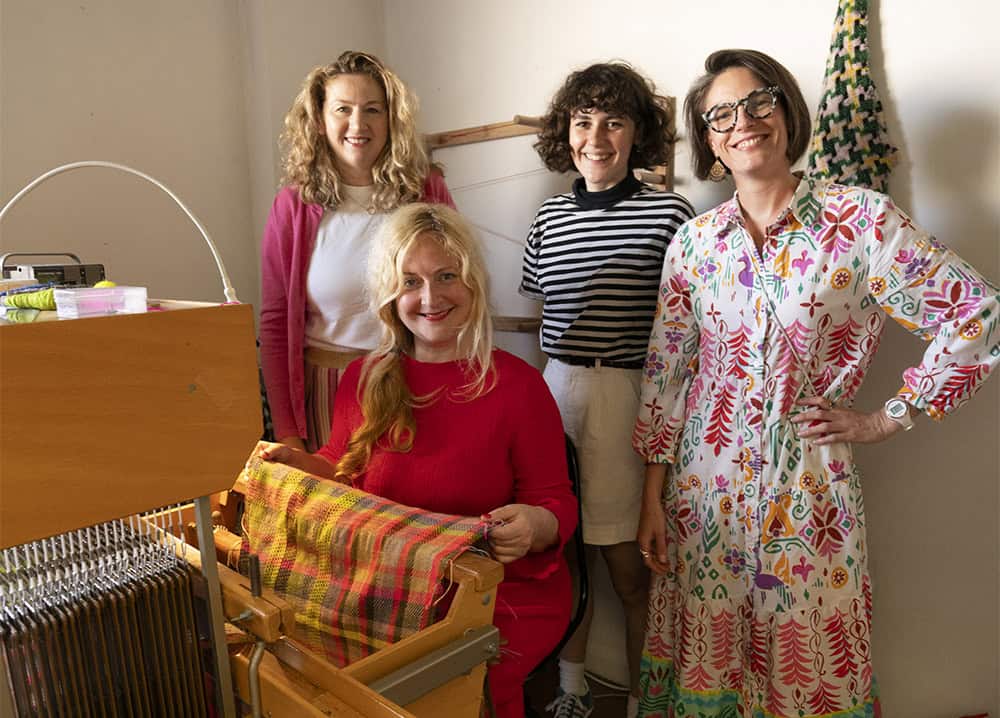
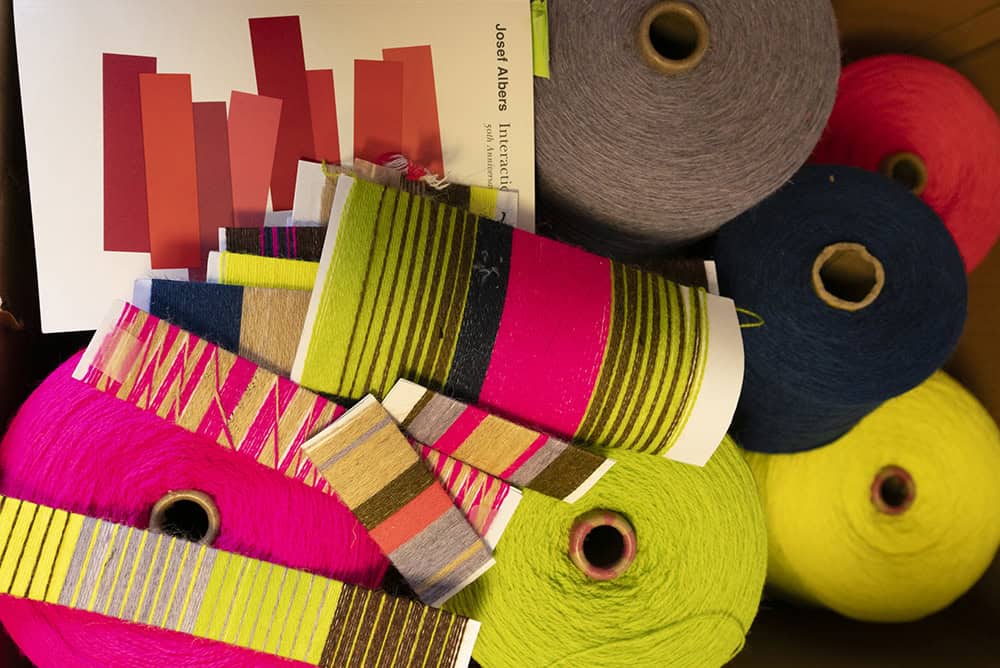
Dashing Tweeds encompasses craft in every way. We are constantly designing fabulous new tweeds from scratch by hand. Although it’s more laborious, we work directly with wool yarns whilst designing. Hand wrapping warp samples and working directly on a loom allows creativity to flourish. The pure tactile element of textile design is so important as the fabrics we create are to be worn on the body and cherished. Serendipity is often an important part of the process, when machines go wrong they just screw up but a slight human error can suddenly be pleasing to the eye. A slip of the hand can be exciting and lead to a new line of thought and design experimentation.
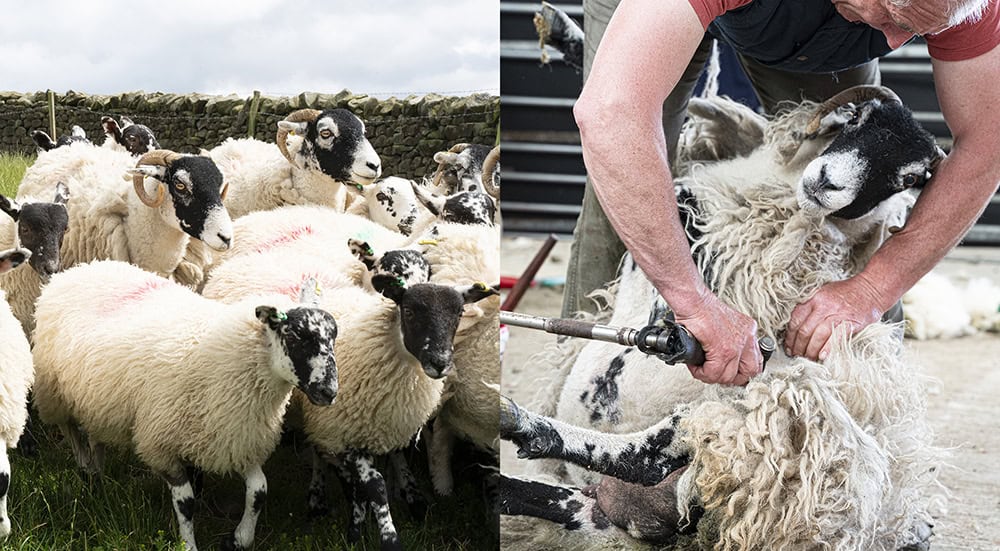
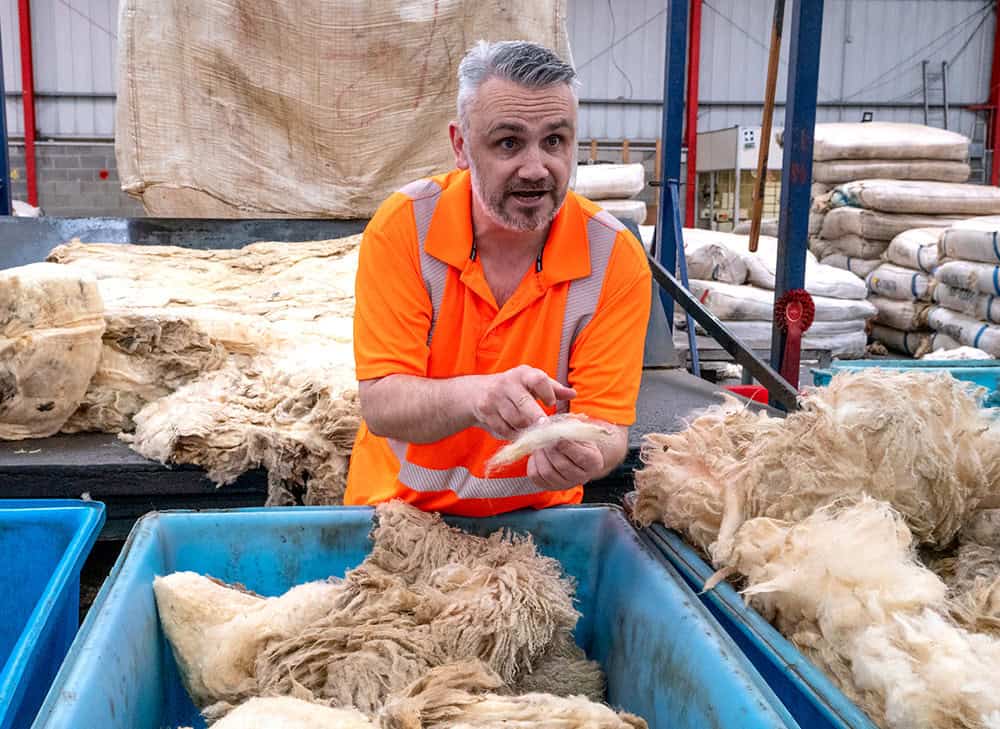
The fleece to fashion journey is very much hands on. British sheep farmers do a wonderful job at nurturing their flocks. All sheep need to be skilfully shorn by hand before their fleeces are sent to the British Wool sorting centre. Grading wool is an immensely skilfull process which we were lucky enough to see last year at Wool House in Bradford.

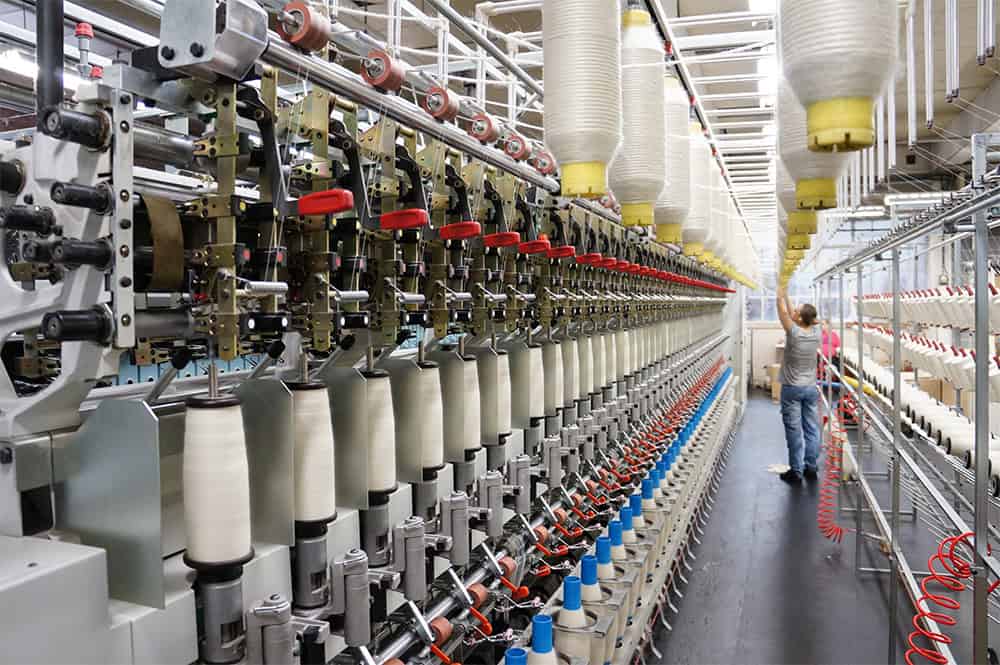
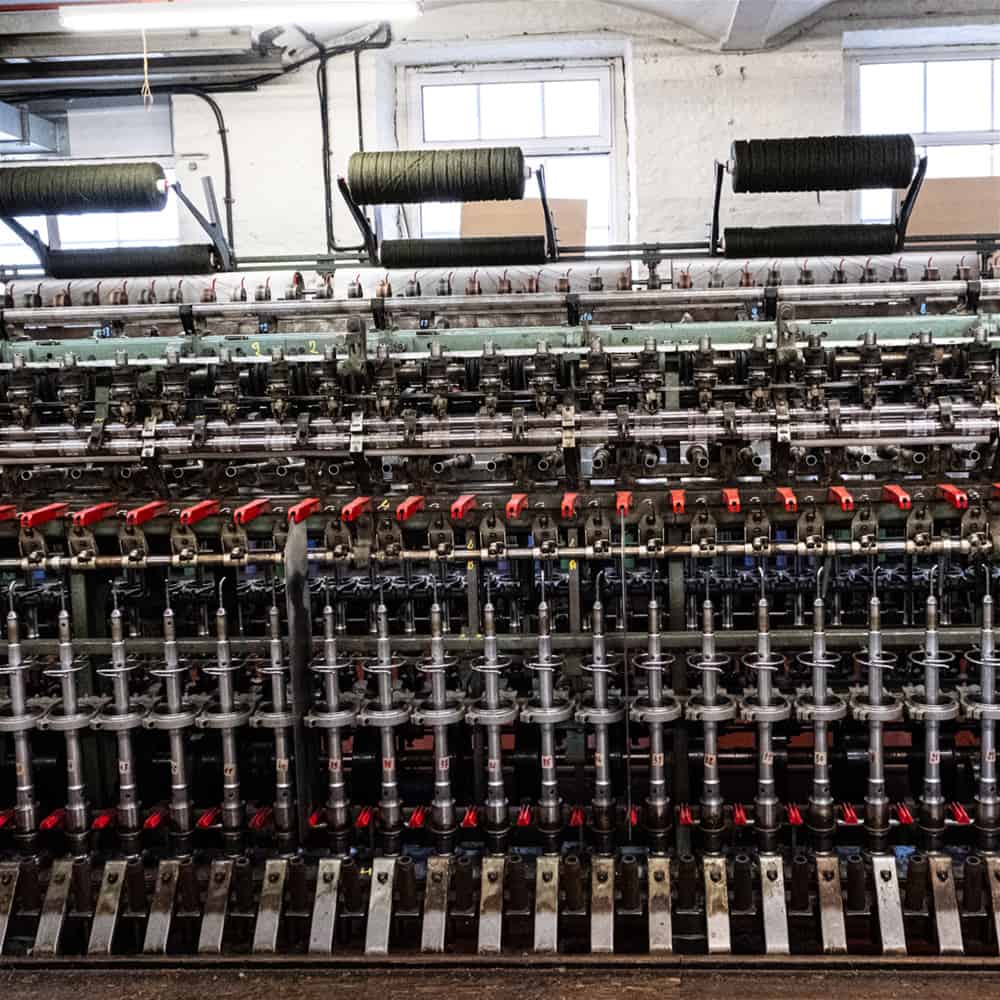
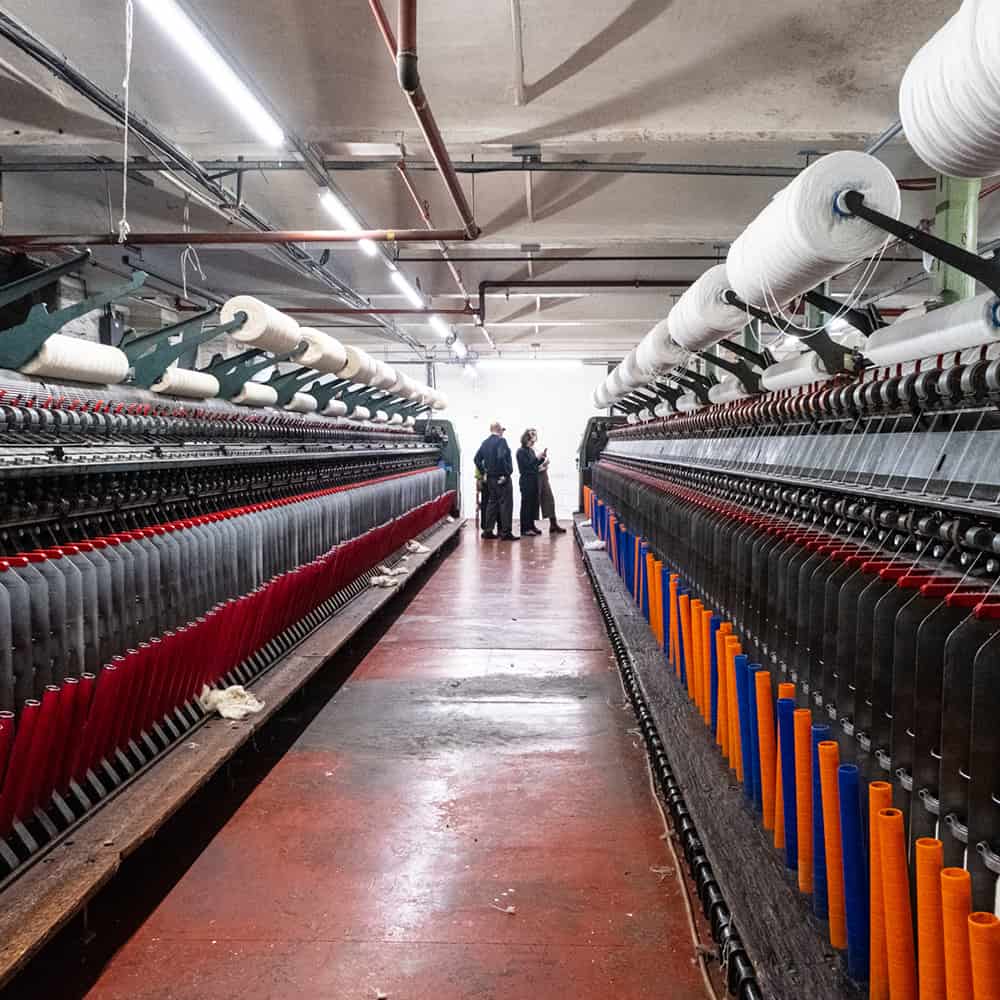
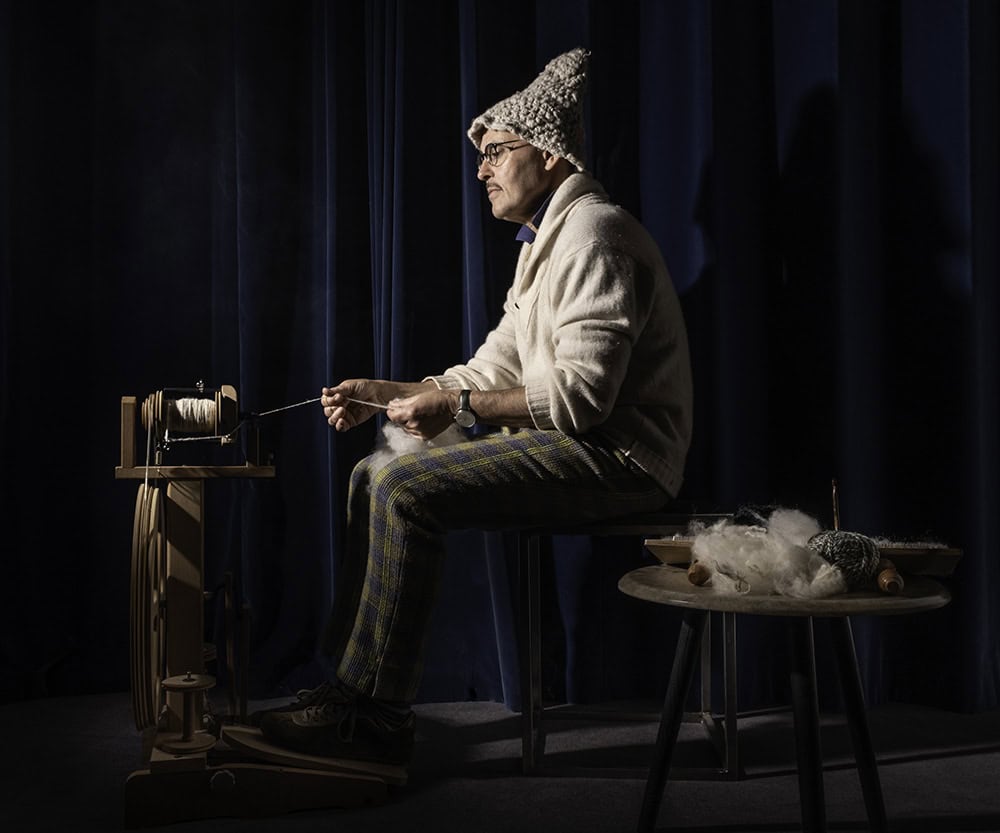
Spinning wool into a yarn is fascinating to watch. During lockdown I bought a spinning wheel and delighted in turning wool into a thread  and interestingly the process at an industrial scale is not so different and quite mesmerising.
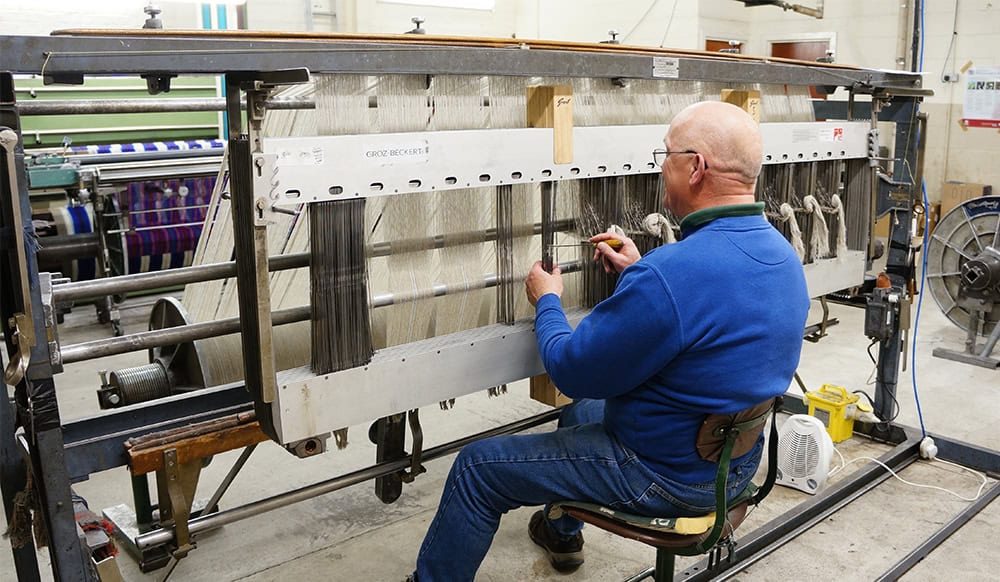
Once our tweeds are woven by Robbie in the Scottish borders there are still a few more processes which are little known and require a great deal of craft skill. Any broken threads need to be mended and darned back into the cloth. You can often see on the back of cloth tiny knots and on the face nothing is visible. Darning is one of the skills which is vital and yet it is so hard for the weavers to find people with the right experience for the job.
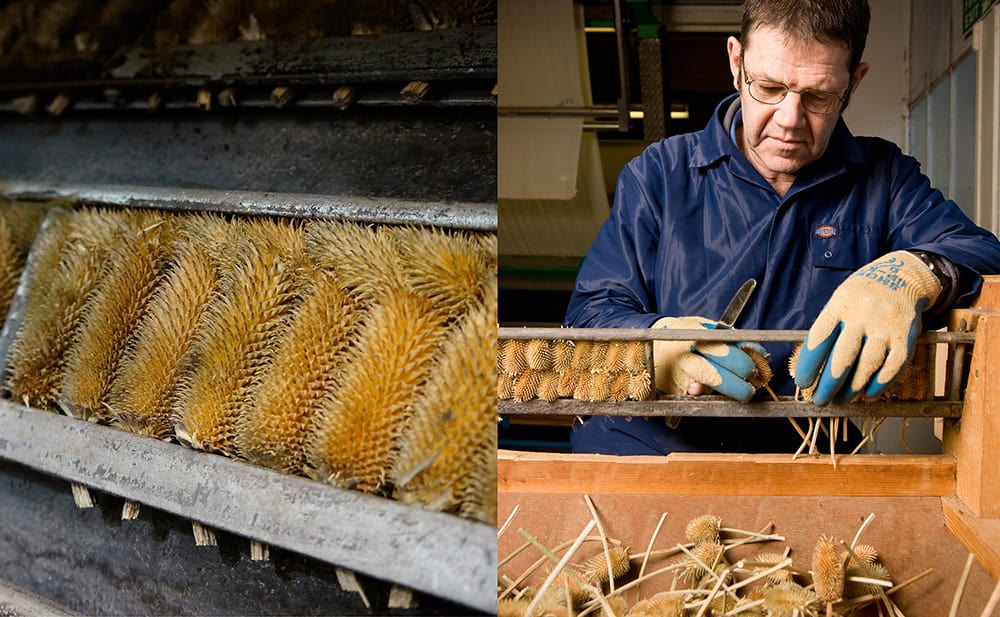
Then there is the finishing process which really determines the whole character of the cloth. There are so many choices to be made, how long the fabric should be scoured in water from the River Tweed, how wide it should be set to on tenter hooks and a whole plethora of pressing or pile raising options. The best brushing is done with real teasels which brings us round to another dying craft, that of a teasel setter. 
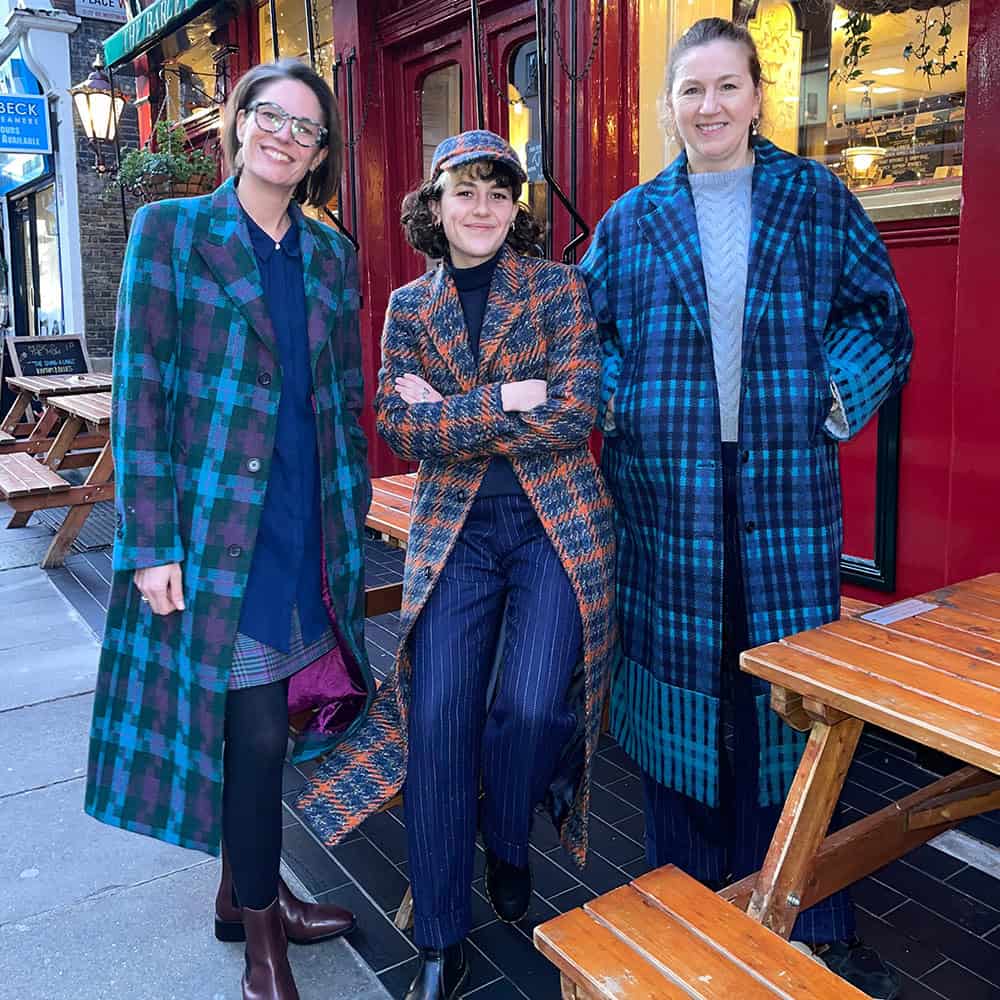
Lastly, after the tweed is designed, woven and finished there is the tailoring to be done. British tailoring represents a pinnacle of craft refined over hundreds of years. A full bespoke suit with horse hair canvassing and hand sewn button holes is the embodiment of skill and something to be cherished and loved for many, many years. Just thinking about all the skilled hands needed to turn fine wool into a fine suit makes me almost giddy with delight and being embraced by all these crafts is an intoxicating feeling like no other. You know where to come if you want to be embodied by craft this week.

All the best,

Team Dashing

DASHING WOMEN

When it comes to fashion the main victims are women. The industry makes a point of creating an insecurity around how women look in order to persuade them to constantly buy something new. The cycle of change has ramped up to frenzy like a deranged snake trying to eat its own tail. Social media exacerbates this. The natural rhythm of seasonal shows, fashion shoots and curated magazine spreads has been eroded by a spewing stream of influencers scrabbling for likes.

In order to maximise profits cheaper and cheaper materials and production methods have been pursued by high street brands; a hiding to nothing. Luckily, people are fighting back against the pointless waste of fast fashion.

Investing in beautiful clothes made individually for you is the answer. It’s long been proven that people value and look after clothes which they have been involved in creating. Timeless idiosyncratic style is always more prized than people who merely don the work of another.

The hard part is finding someone who can make fabulous original clothes for you, but luckily as you are reading this you know where to come. We have been tailoring for women for almost a decade now and have a good resource of talented tailors who can make your sartorial dreams come true.

Tailoring for women is more flexible than the male counterpart as there are fewer rules that need to be followed. This ironically can make it harder to decide what to have made.

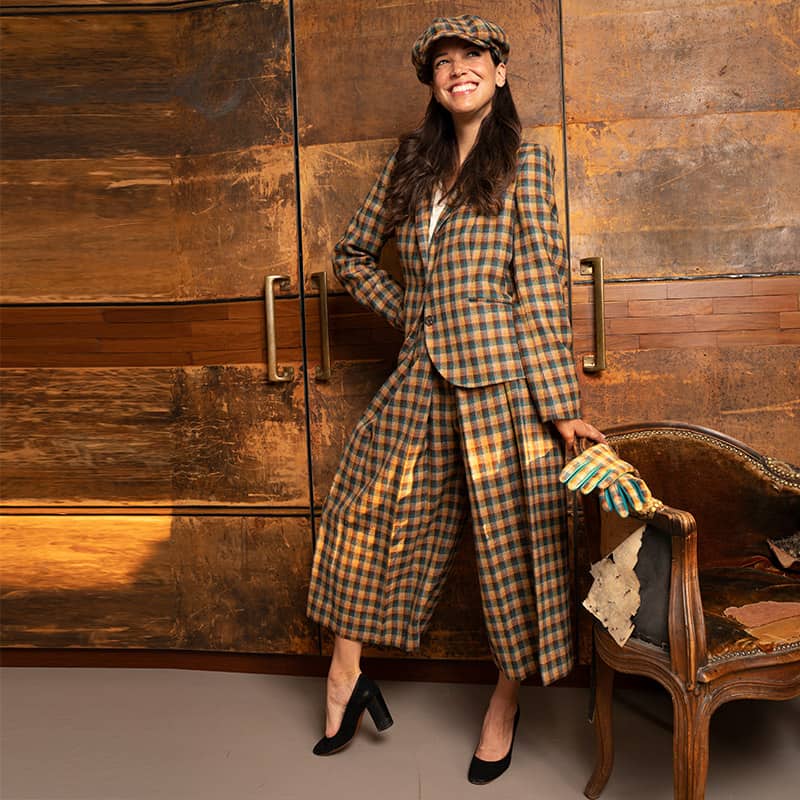
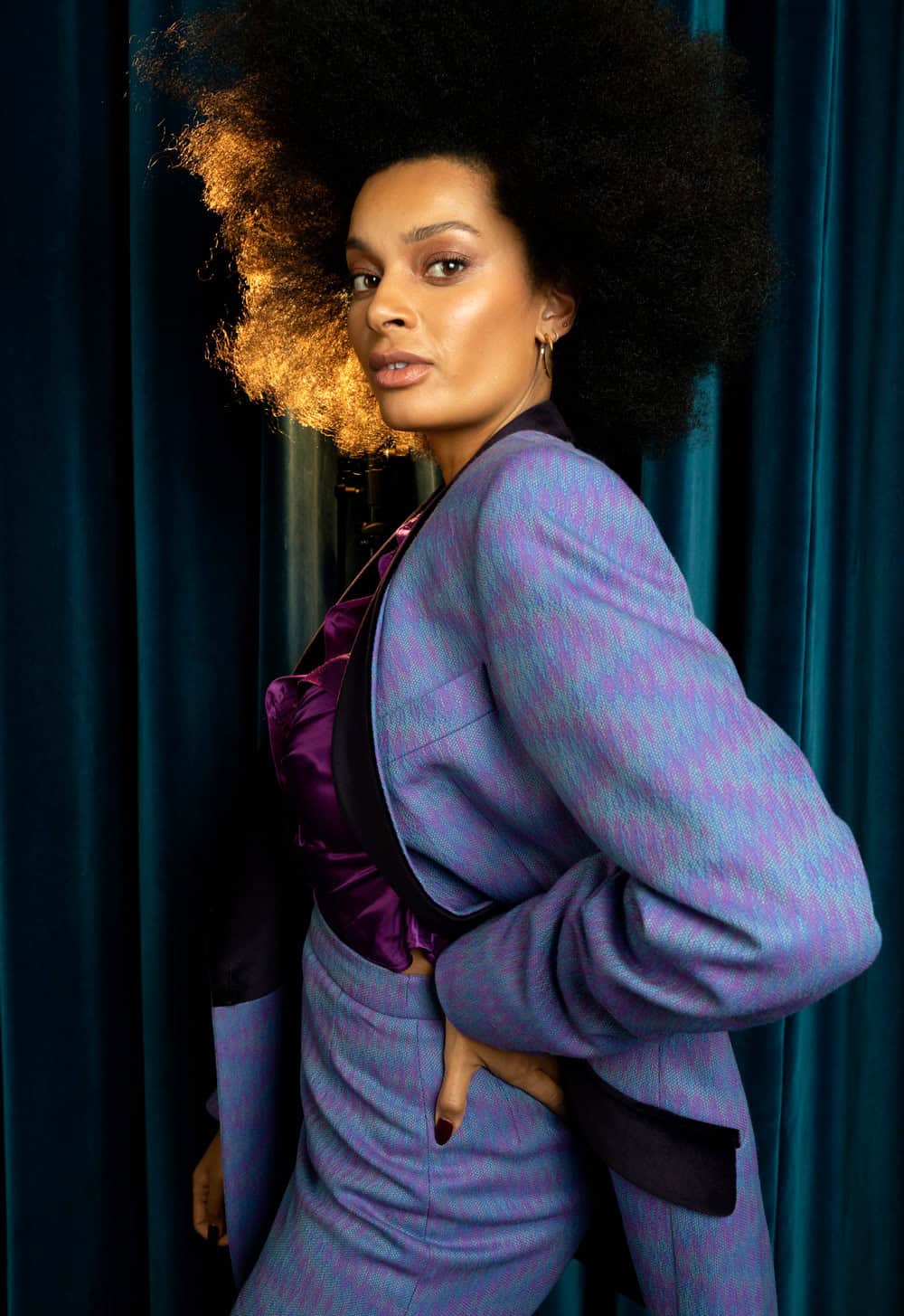
We have years of experience and can guide you through all the options. Trousers are a good example, depending on your figure you may wish to have low slung hip hugging trousers with a tighter thigh and a slight flared bottom or a wide legged high waisted pair with double pleats. The trousers can be paired with a matching jacket to make an elegant suit, and again there are more acceptable silhouettes for women’s jackets; cropped rounded ones look just as good as deliberately oversized boxier cuts and it’s good to have all the options. To complete a look you may want to throw in a skirt of any volume from a mini to fully pleated circle.

tweed, tailoring, tailored jacket, jacket, tweed

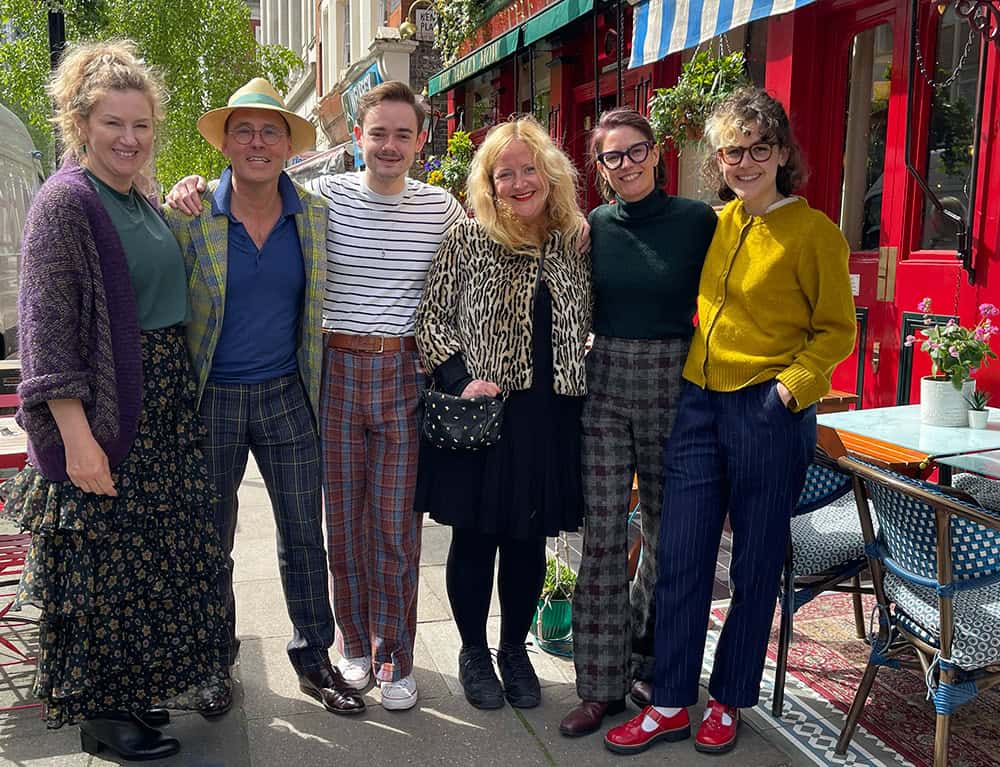
As you are gathering, there are measureless possibilities so it’s fun to start with a blank canvas and think about what your ideal look is for specific occasions and then drop by the shop where Holly and Naomi will be more than happy to give you advice, show you our large selection of original fabrics and help you bespeak a dream outfit which will bring you pleasure for many, many years.

“I wandered into the store on a visit from Canada. Holly then spent over an hour with me as I chose a tweed and she measured me for my fabulous new jacket.

I picked everything from lapel width to buttons. It was simply a wonderful experience. My jacket has now arrived, as promised. I could not be happier!

I look forward to my next visit in February.”

Susan C

Naomi wears a summer coat tailored in-house using a fine Merino wool worsted. Our seamstress can copy simple unstructured shapes and ensure an elegant fit for you.

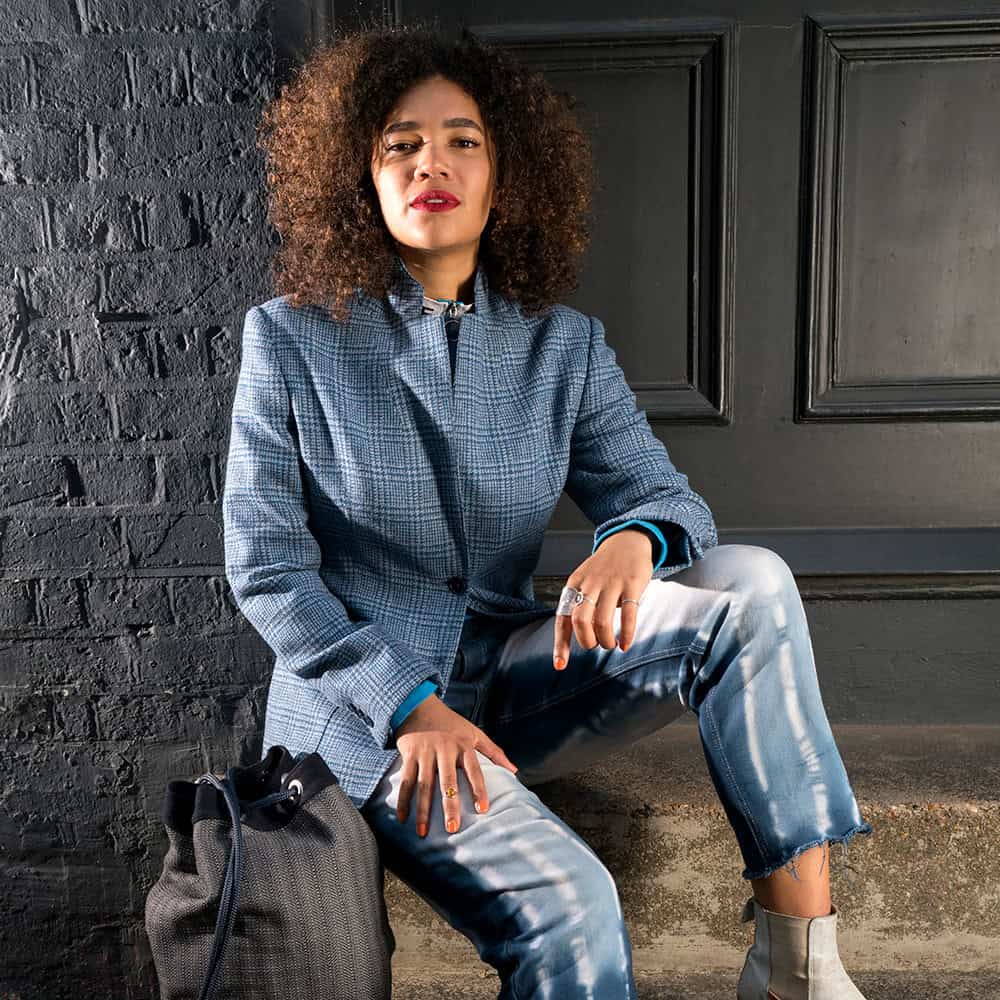
A tailored jacket is such a versatile item for your wardrobe. It’s easy to dresses up or down. Aramide wears her Blue Glen jacket with bleached jeans and the collar popped up but can transform to a boardroom ready look by pairing it with navy wool flannel trousers and a crisp white shirt.

We are always around to give you advice, so even if you are not sure exactly what you want then just come by for a chat.

Our made to measure tailoring takes 6 weeks, so plan ahead.

Jackets £1,200, trousers £675, skirts £500 and waistcoats £550.

Soft tailored cigar jackets £850, bomber jackets £1,050.

 2 piece suits £1,625 and 3 piece suits £1,850

Coats from £1,550 dependant on length

We also offer an in-house bespoke service as well.

To design your own look, or get advice on what to wear, do drop us a message for more information.

Holly – Business Manager

Holly@DashingTweeds.co.uk

Naomi – Production Manager

Naomi@DashingTweeds.co.uk

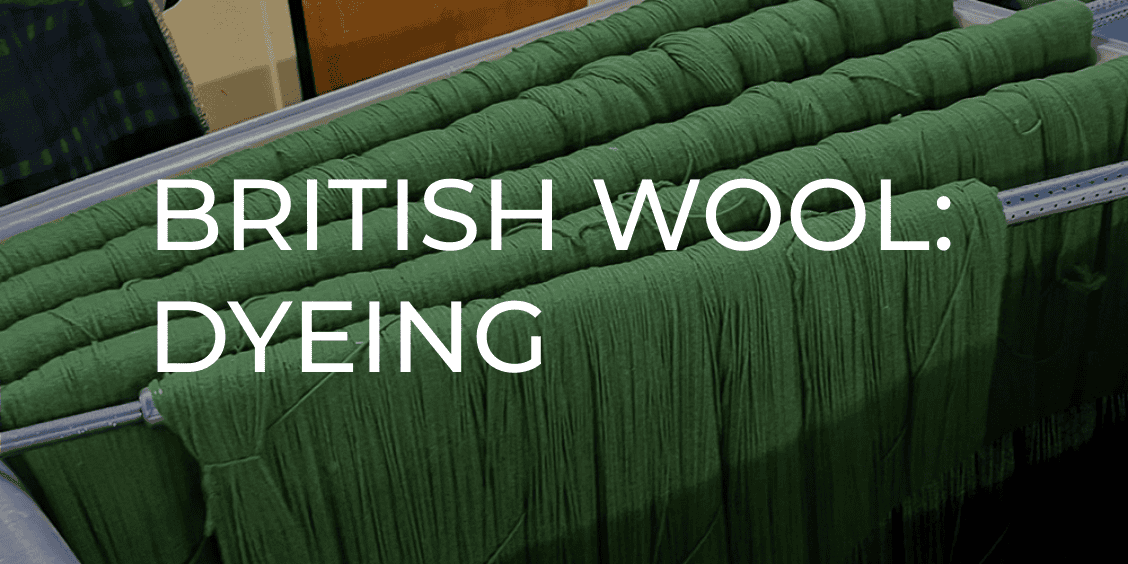
BRITISH WOOL – DYEING

By now, followers of my woolly jottings will be in no doubt that wool is the most wondrous natural fibre. You will have learned about all the different grades, the fabulous properties of woollen clothing and the sheer comfort, sustainability and versatility of wool. As well as being a worthy fabric, wool also has the ability to adapt to the vagaries of fashion as it can easily be made to change colour. 

Using extracts of plants and animals, people have been dyeing wool for thousands of years. Some rare and expensive colours such as the Tyrian purple derived from sea snails was only allowed to be used within royal circles in Roman times. In later centuries colours such as red made from crushed up cochineal beetles became more expensive than gold due to its demand by the British army for uniforms.

One of the aspects of traditional tweed that I find appealing is its use as camouflage. There is a satisfying circularity; to blend in with the colours of the landscape, wool was dyed with the very plants of the area. Lichens known as crotal, heathers, dandelions, wode,  barberry root, bog myrtles, the list of wonderful plants that can dye wool reads like the ingredients of a witches brew and indeed ancient dye recipes were kept secret and handed down covertly.

One of the aspects of traditional tweed that I find appealing is its use as camouflage. There is a satisfying circularity; to blend in with the colours of the landscape, wool was dyed with the very plants of the area. Lichens known as crotal, heathers, dandelions, wode,  barberry root, bog myrtles, the list of wonderful plants that can dye wool reads like the ingredients of a witches brew and indeed ancient dye recipes were kept secret and handed down covertly.

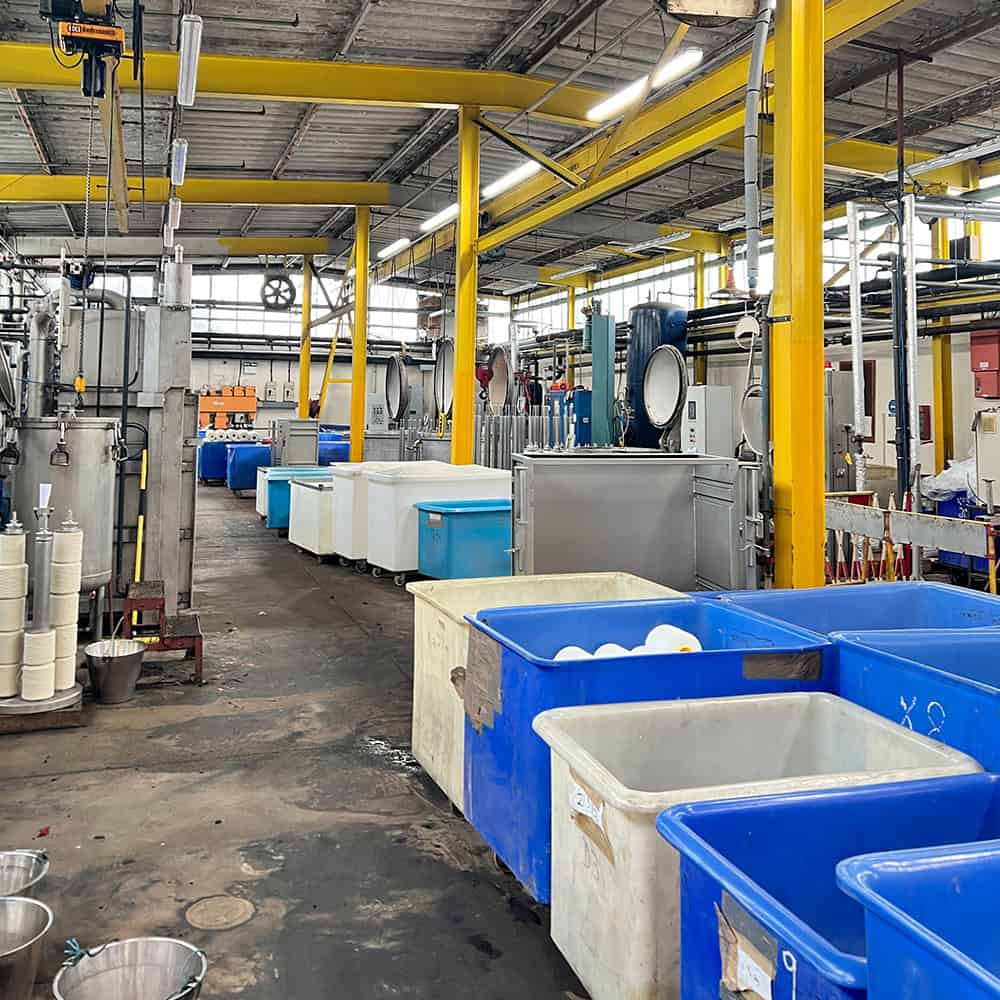
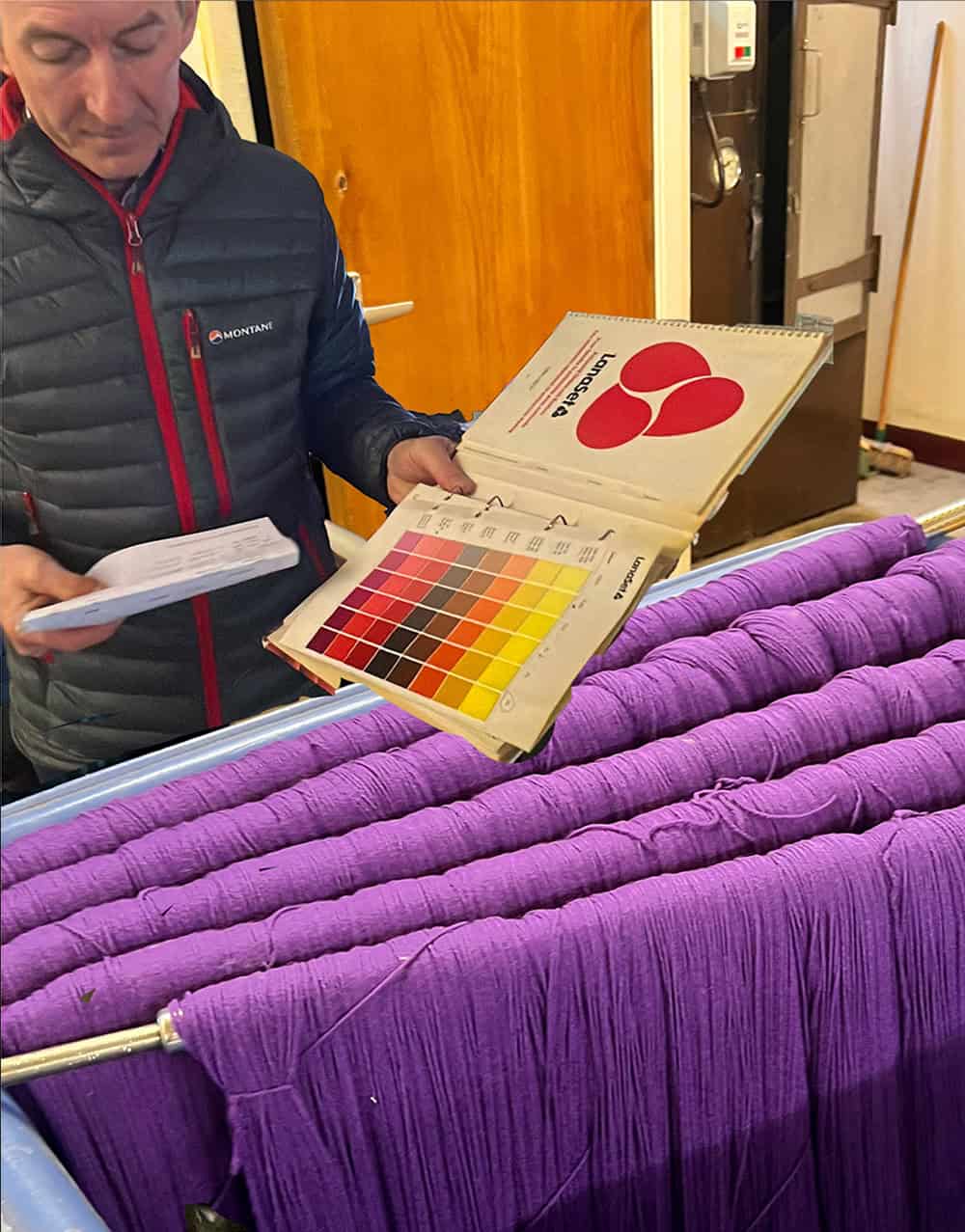
One of the most enjoyable aspects of Dashing Tweeds is making our designs tangible. For this to happen we rely on the great talents found in the textile area of the Scottish Borders. Water is of the utmost importance, not only for washing and dyeing wool but also traditionally for powering the machines via waterwheels. Just off the Ettrick Water you’ll find the fabulous company of Ettrick Yarn Dyers Ltd.

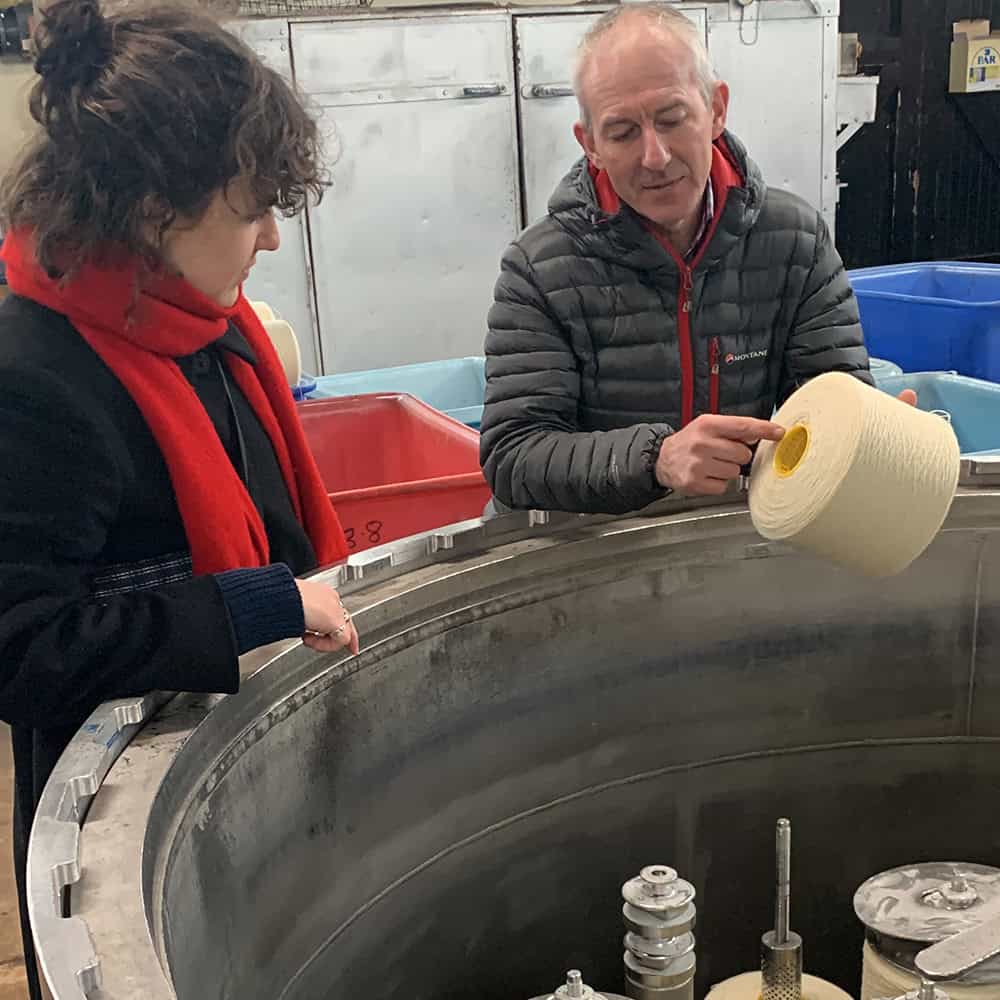
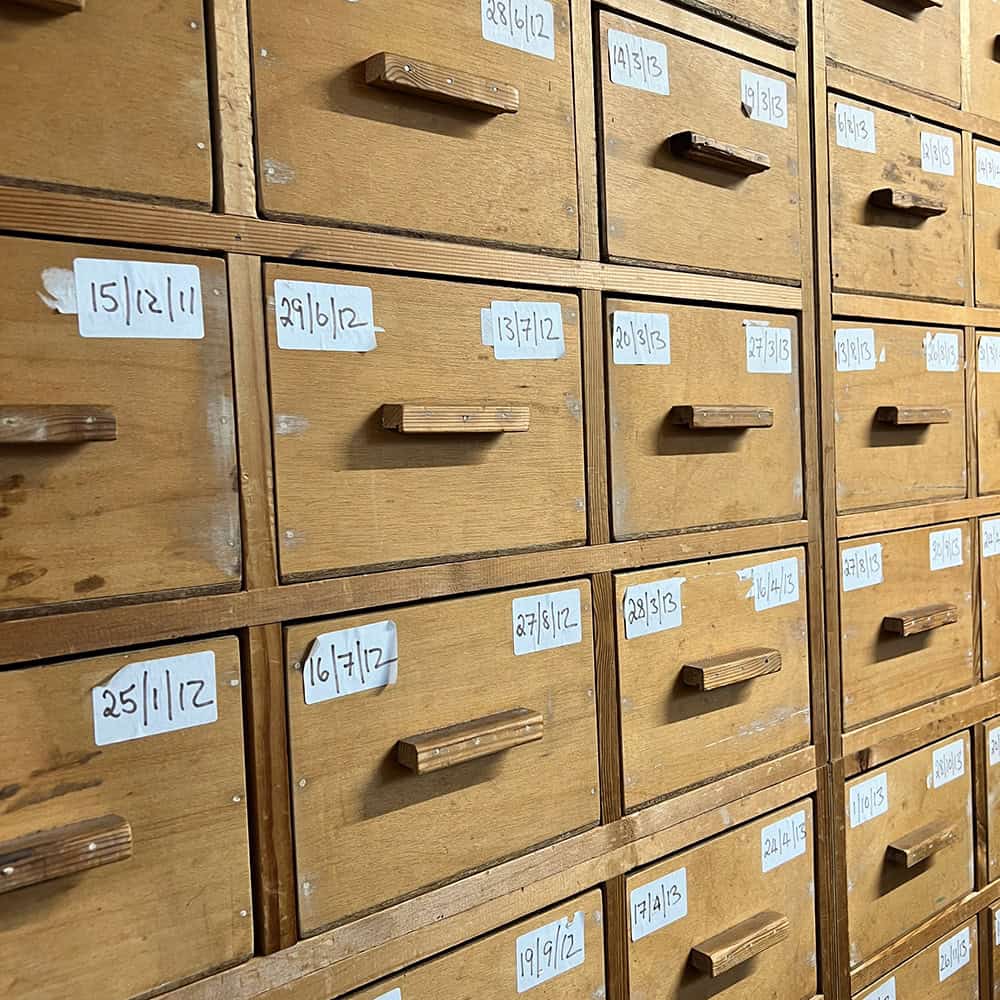
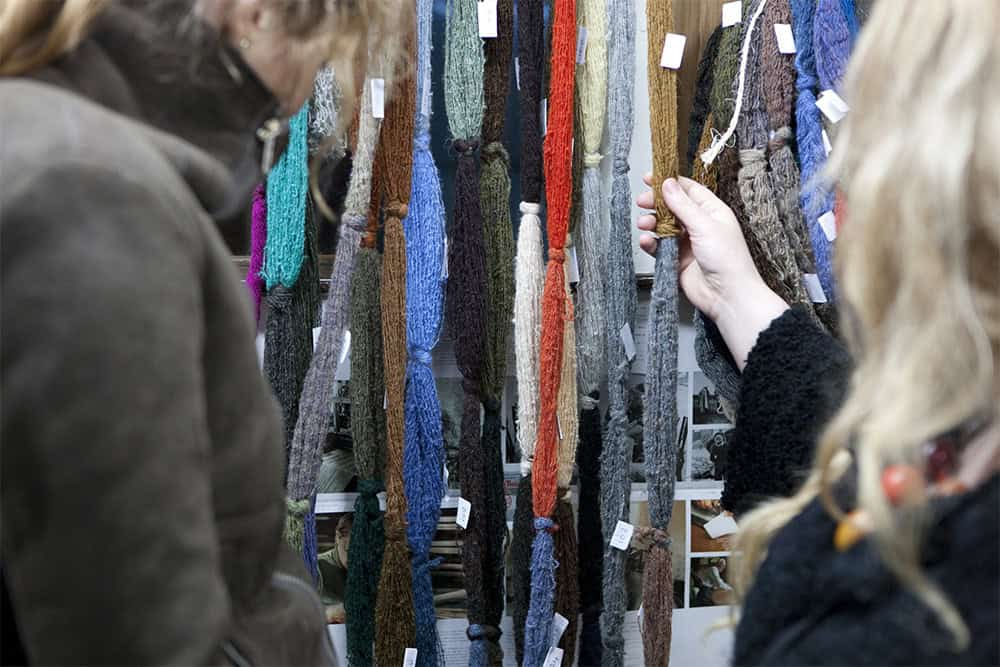
For generations they have handed down the skills needed for both the hank dyeing and package dyeing of woollen yarns. The first being a very gentle, precise way of dyeing small quantities of wool with little agitation and the latter a larger scale process involving big steel vats full of yarns wound on cones. The array of colour shades they can achieve is tremendous, Jason Renwick showed us rows of charming wooden draws full of decades worth of dye recipes, each for a specific client colour.

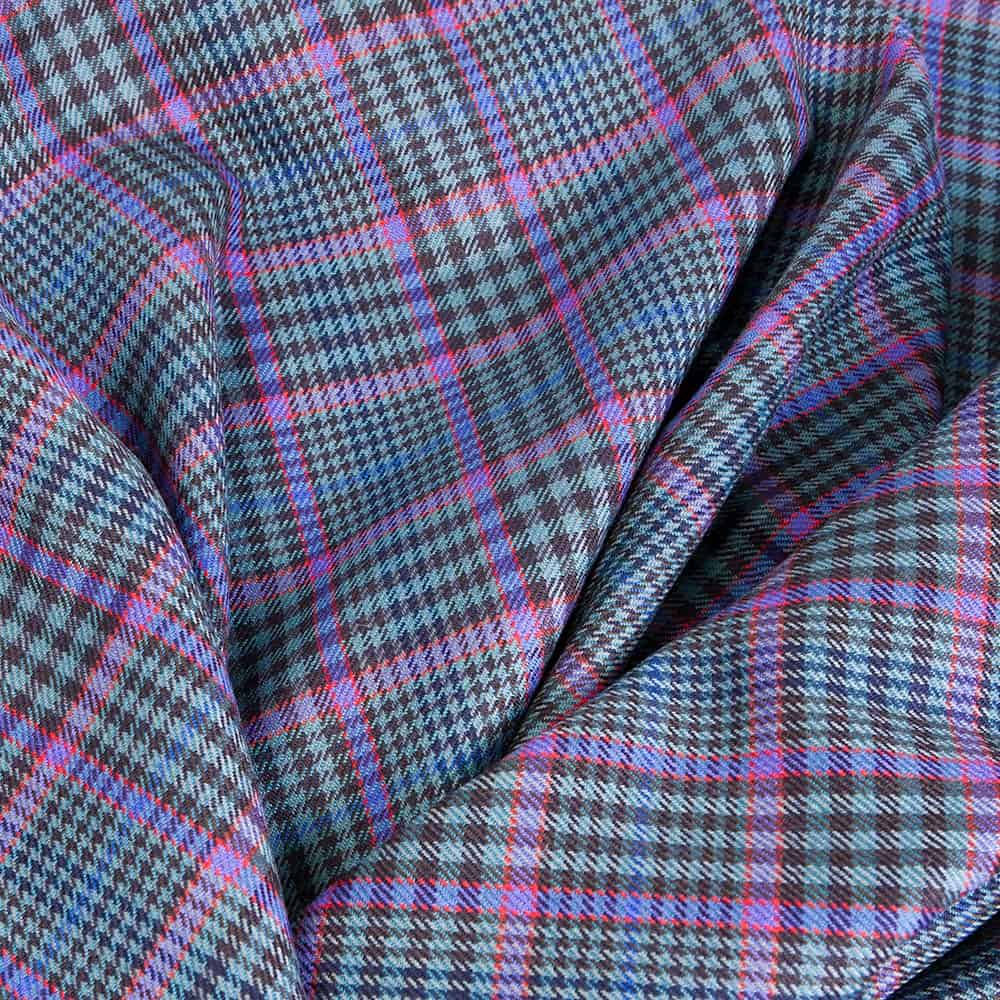
One of our central tenets is that tweed is the traditional way for gentleman to wear colour and we try to give you as much choice as possible. Ettrick Dyers have never failed to match the exact shade needed for our designs from the early days when we chipped up the yellow lines of London to the bright tints used in our raver designs. Nature abounds with colour and paying homage to this through your clothing is the surest way to put you in a good mood.

All the best,

The Dashing Team

BRITISH WOOL – SPINNING

Our spinning revolution was the turning point of Britain’s textile industry. Twisting strands of fibre together by hand is as old as civilisation, and dates back fifty thousand years. It then took till around 500 AD for mankind to invent a wheel to speed up the process. This worked well for the next 2000 years until a series of British inventors who names are still revered today (James Hargreaves and Richard Arkwright amongst others) revolutionised spinning with their modern machines.

This much I knew before our enlightening trip to visit Bruce and Robin at Brierley Brothers spinners in Huddersfield. Robin Gledhill is the forth generation owner and Bruce Calverley has been working for almost a decade at the mill.

Brierley Brothers have been woollen spinning since the height of our industrial revolution. We love using their beautifully curated range of yarns which are sold under the name Gardiner Yarns.

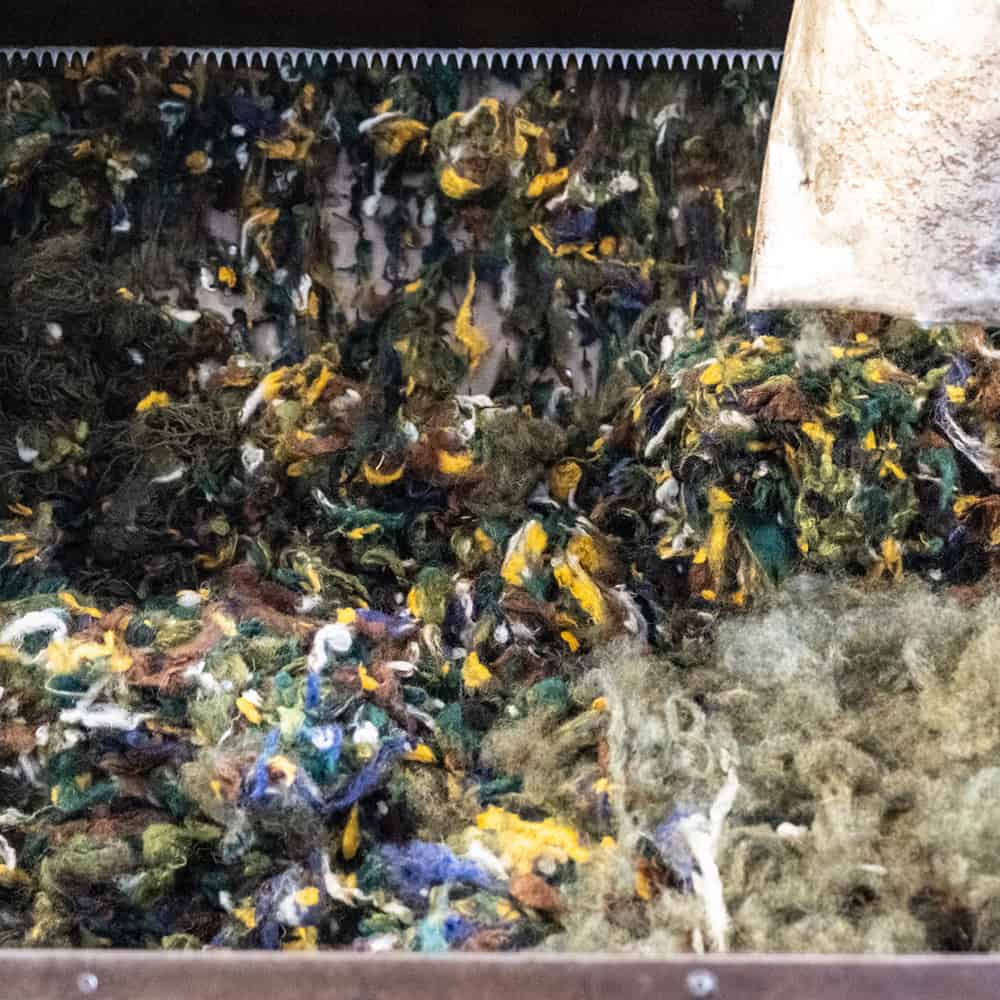
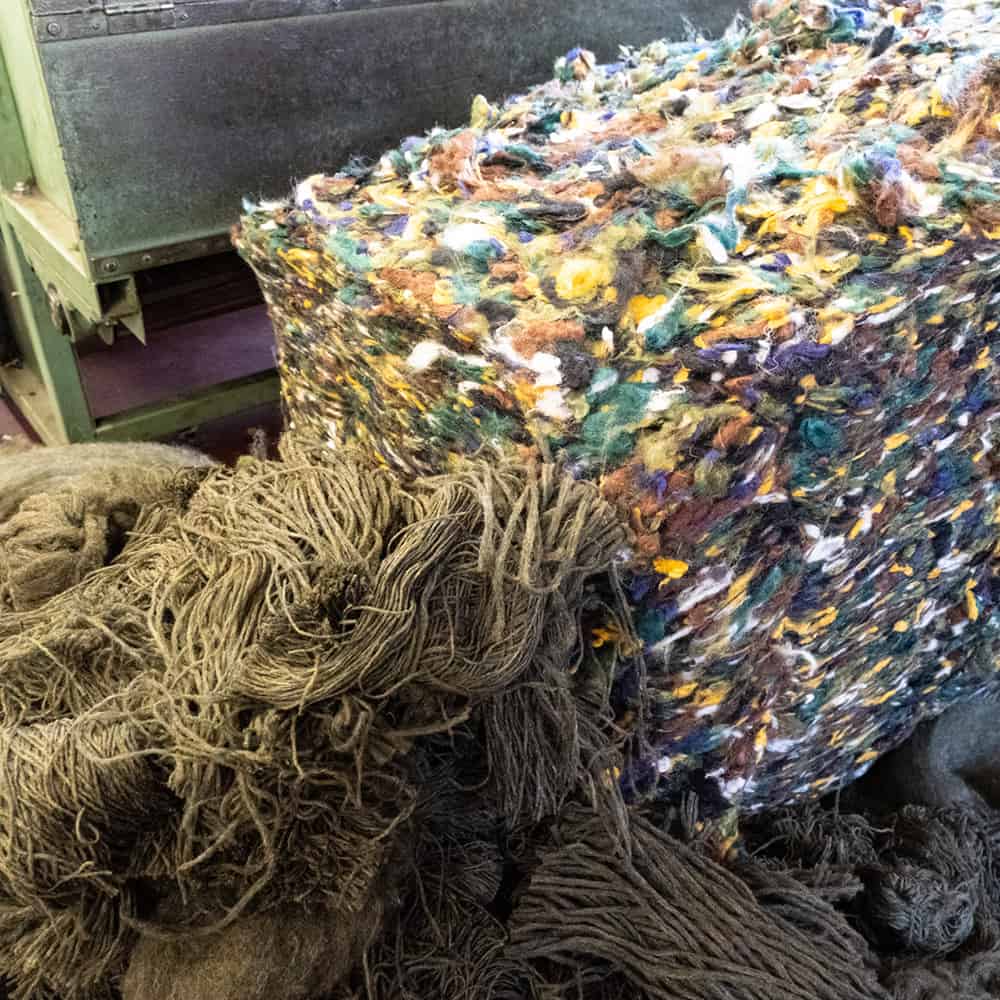
I had never thought about how the rich quality of the colour was produced before, but like so many other things I enjoy from whiskey to chocolate it’s all about blending. The yarn we see as a shade of green for example is actually a special formula of wools dyed yellow, purple, navy and bottle green which are all blended during the carding process. The formula for the colours is filed away and each new batch matched to the originals using calibrated light sources.

During  lockdown I bought myself a spinning wheel and obtained a fleece from Mike, a friendly farmer selling lamb at my local market. My knowledge of wool processing was sketchy but it didn’t take long to pull off the fine pieces of wool, wash them and then start teasing out the fibres using a pair of spiked carding brushes. It was a laborious but rewarding task.

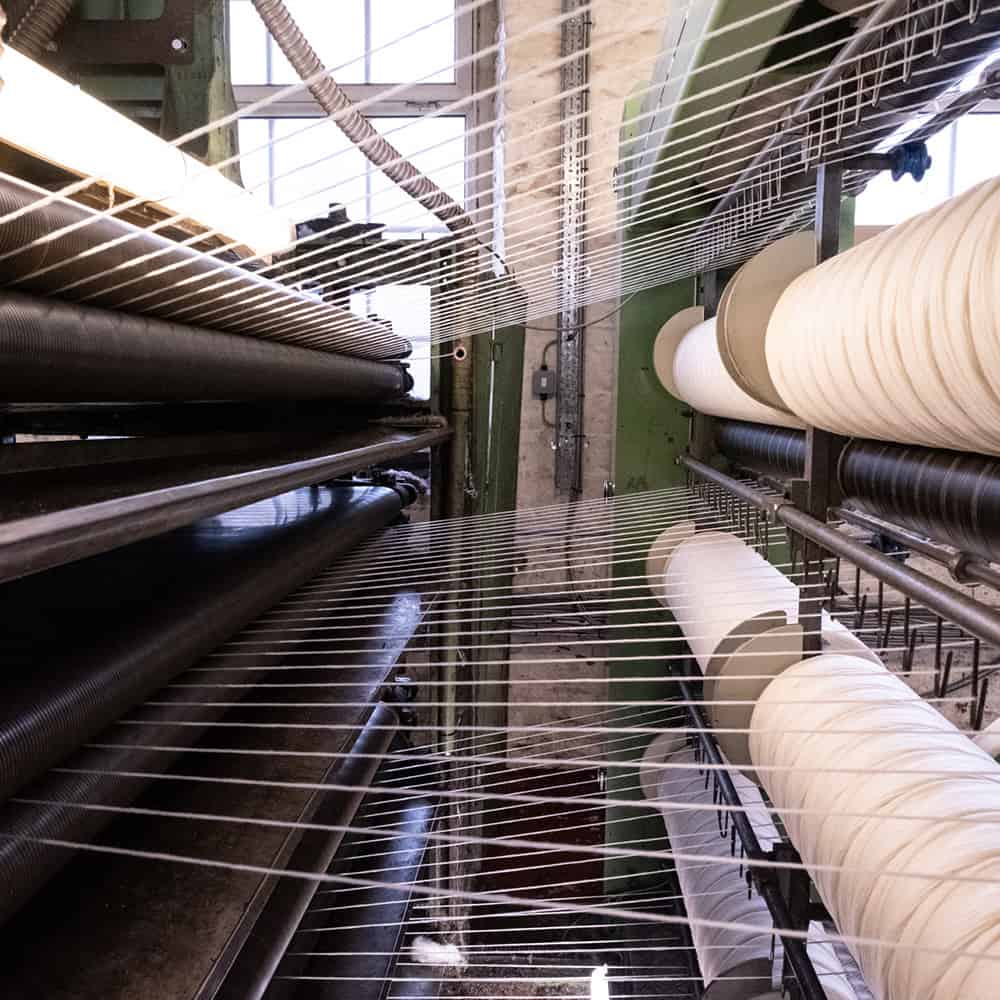
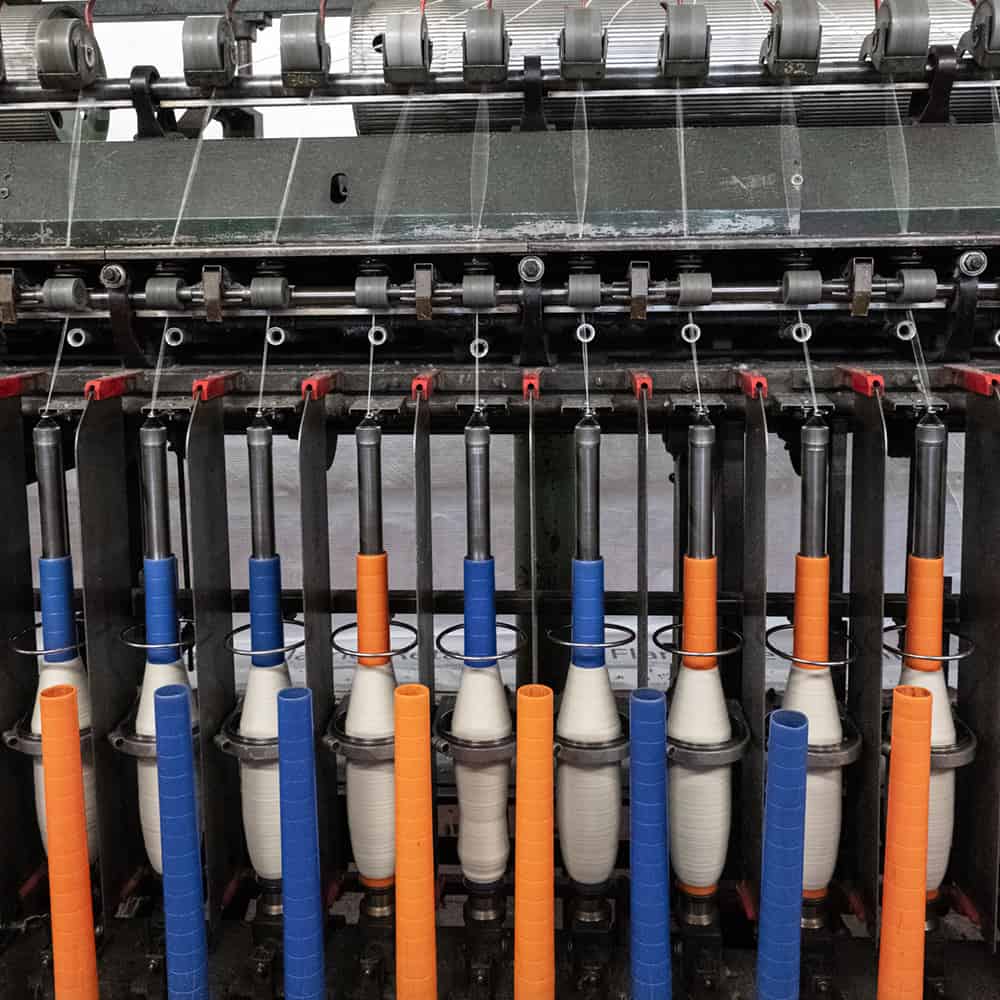
Watching this same process on an industrial scale is fascinating and actually quite mesmerising. Two tonnes of wool per week is fed into the hoppers and pulled over a range of huge rollers which separates the fibres making a smooth matt of wool rovings. This is then cleverly divided into fine slivers known as condenser which are wound around a cone. At this stage the strands of loosely held fibres are very weak. They are ready to be spun tightly together on rapidly rotating spindles impressively arranged in two banks down the entire length of the spinning hall. The mechanism seems simple but as you watch it pick up broken threads, connect them back and continue pulling the condenser wool over engineered wheels running at precisely geared speeds you see how two hundred years of patents propelled Great Britain to the top level of textile production.

The degree of twist determines the strength and character of the yarn. Changes such as twisting the wool clockwise, known as a ‘Z’ twist as opposed to an anticlockwise ’S’ twist is all important and a laboratory area is in constant use to test and monitor every stage of the process.

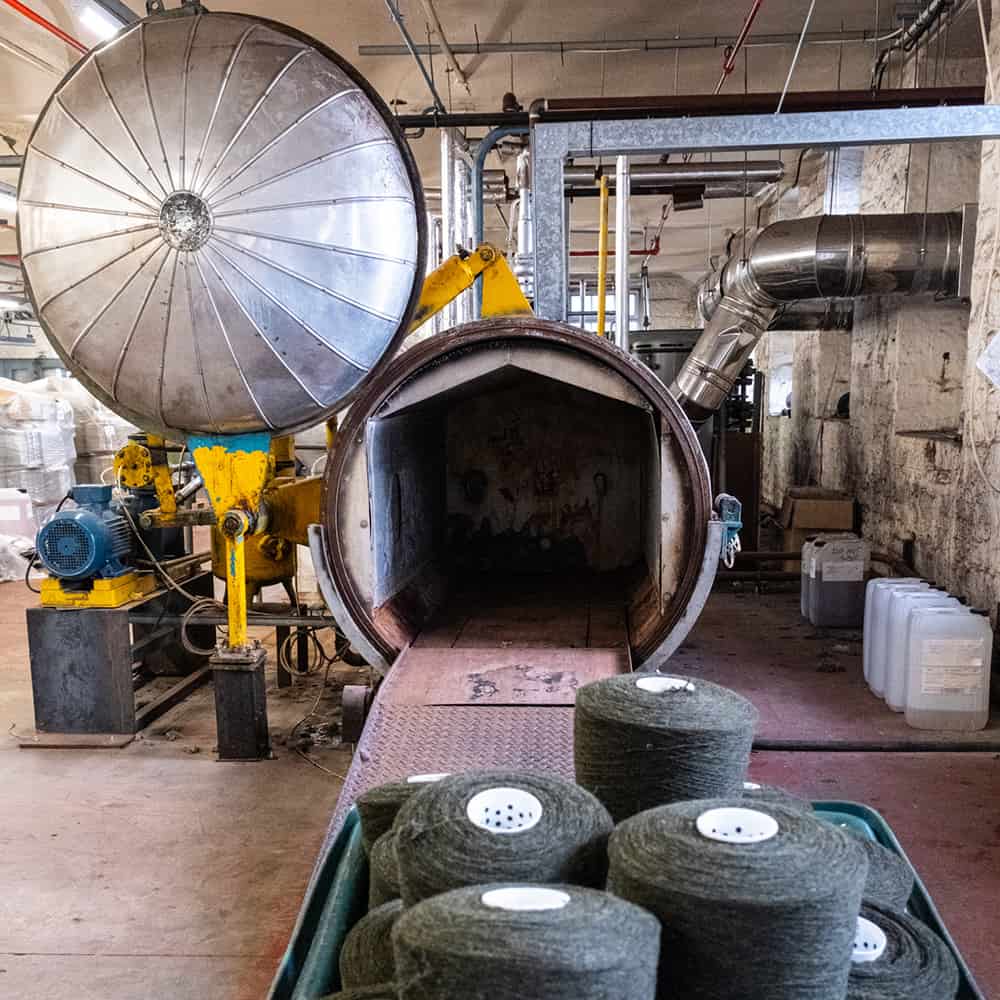
The final stage before the freshly spun yarns can be sent to the weavers is for them to be set using heat and steam in an autoclave. The yarns are transferred to cones featuring permeable holes, piled up and wheeled into a large chamber. Being a natural yarn, wool responds excellently to steam, setting the strands in position to ensure they don’t spontaneously unravel. There’s a homely satisfaction to the smell of warm, freshly spun cones of wool being unloaded from the oven that seems to evoke our whole history of wool production from cottage industry to today’s modern times.

It’s reassuring in our post modern world to realise that having tried to surpass wool’s qualities with synthesised chemical fibres we are now back to the level whereby wool is simply the best you can get for the clothes you need.

For our next AW collection, we are focusing on British wool, spun in the UK hence showcasing this whole process, watch this space to find out more.

Privacy Settings
We use cookies to enhance your experience while using our website. If you are using our Services via a browser you can restrict, block or remove cookies through your web browser settings. We also use content and scripts from third parties that may use tracking technologies. You can selectively provide your consent below to allow such third party embeds. For complete information about the cookies we use, data we collect and how we process them, please check our Privacy Policy
Youtube
Consent to display content from - Youtube
Vimeo
Consent to display content from - Vimeo
Google Maps
Consent to display content from - Google