BRITISH WOOL – DYEING
By now, followers of my woolly jottings will be in no doubt that wool is the most wondrous natural fibre. You will have learned about all the different grades, the fabulous properties of woollen clothing and the sheer comfort, sustainability and versatility of wool. As well as being a worthy fabric, wool also has the ability to adapt to the vagaries of fashion as it can easily be made to change colour.
Using extracts of plants and animals, people have been dyeing wool for thousands of years. Some rare and expensive colours such as the Tyrian purple derived from sea snails was only allowed to be used within royal circles in Roman times. In later centuries colours such as red made from crushed up cochineal beetles became more expensive than gold due to its demand by the British army for uniforms.
One of the aspects of traditional tweed that I find appealing is its use as camouflage. There is a satisfying circularity; to blend in with the colours of the landscape, wool was dyed with the very plants of the area. Lichens known as crotal, heathers, dandelions, wode, barberry root, bog myrtles, the list of wonderful plants that can dye wool reads like the ingredients of a witches brew and indeed ancient dye recipes were kept secret and handed down covertly.
One of the aspects of traditional tweed that I find appealing is its use as camouflage. There is a satisfying circularity; to blend in with the colours of the landscape, wool was dyed with the very plants of the area. Lichens known as crotal, heathers, dandelions, wode, barberry root, bog myrtles, the list of wonderful plants that can dye wool reads like the ingredients of a witches brew and indeed ancient dye recipes were kept secret and handed down covertly.
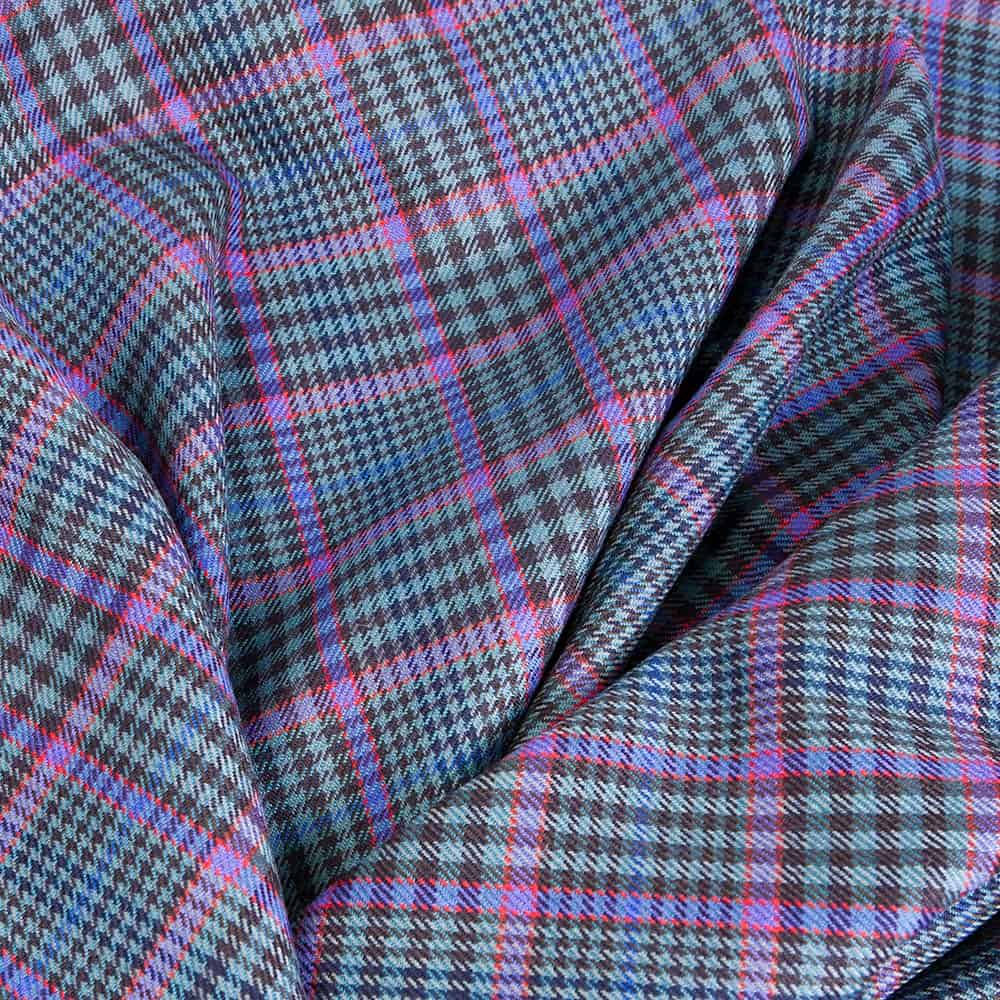
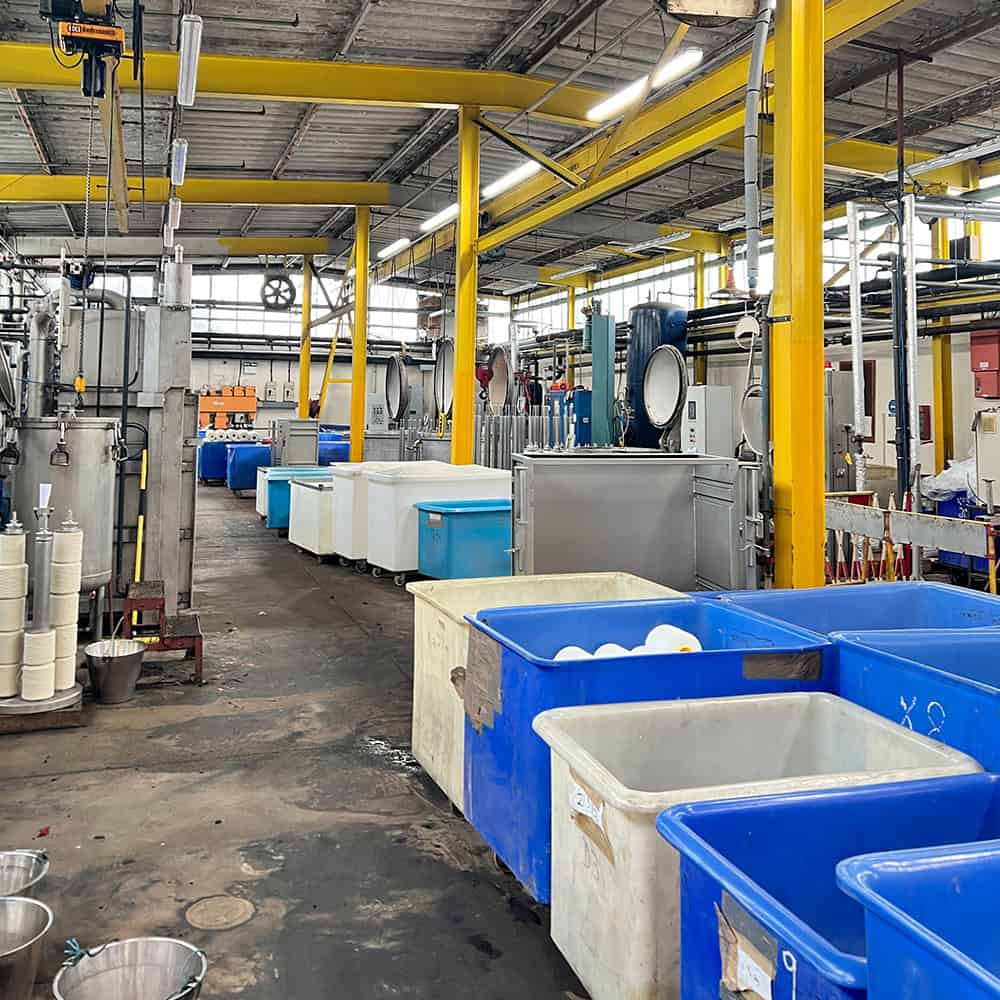
One of the most enjoyable aspects of Dashing Tweeds is making our designs tangible. For this to happen we rely on the great talents found in the textile area of the Scottish Borders. Water is of the utmost importance, not only for washing and dyeing wool but also traditionally for powering the machines via waterwheels. Just off the Ettrick Water you’ll find the fabulous company of Ettrick Yarn Dyers Ltd.
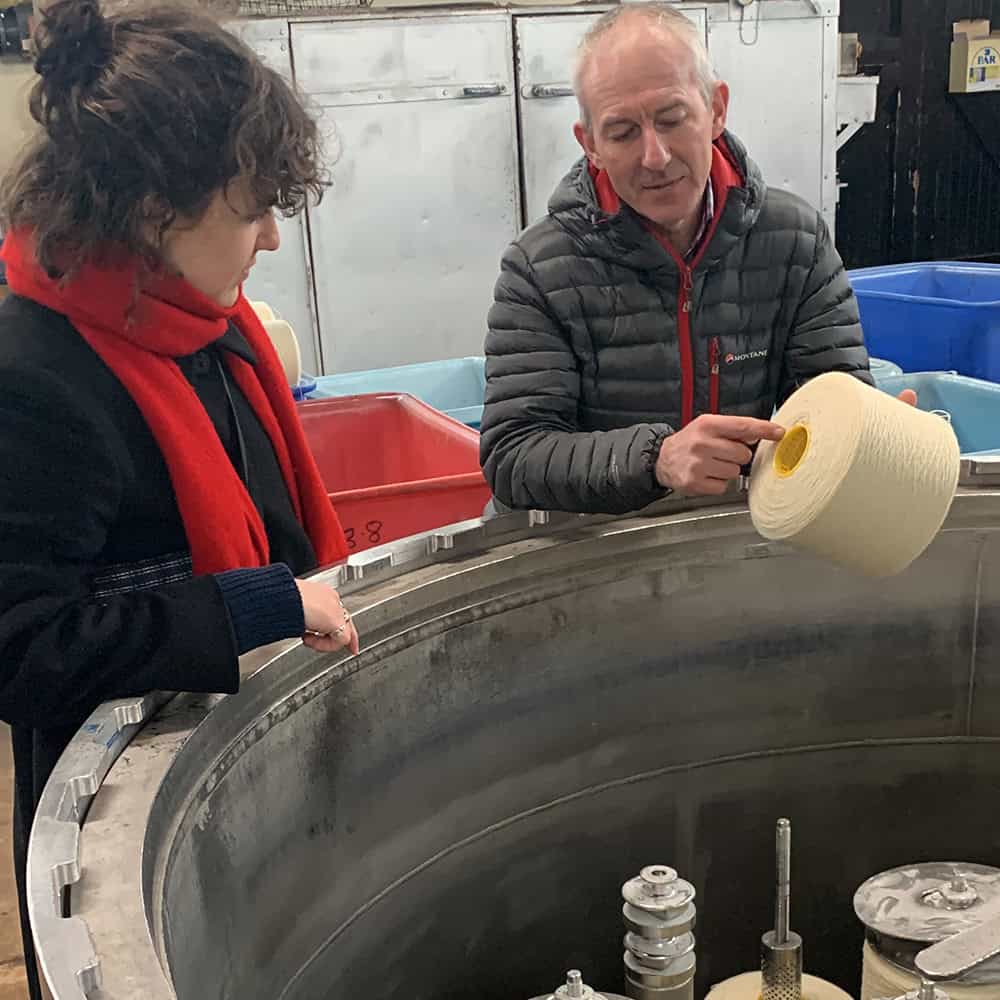
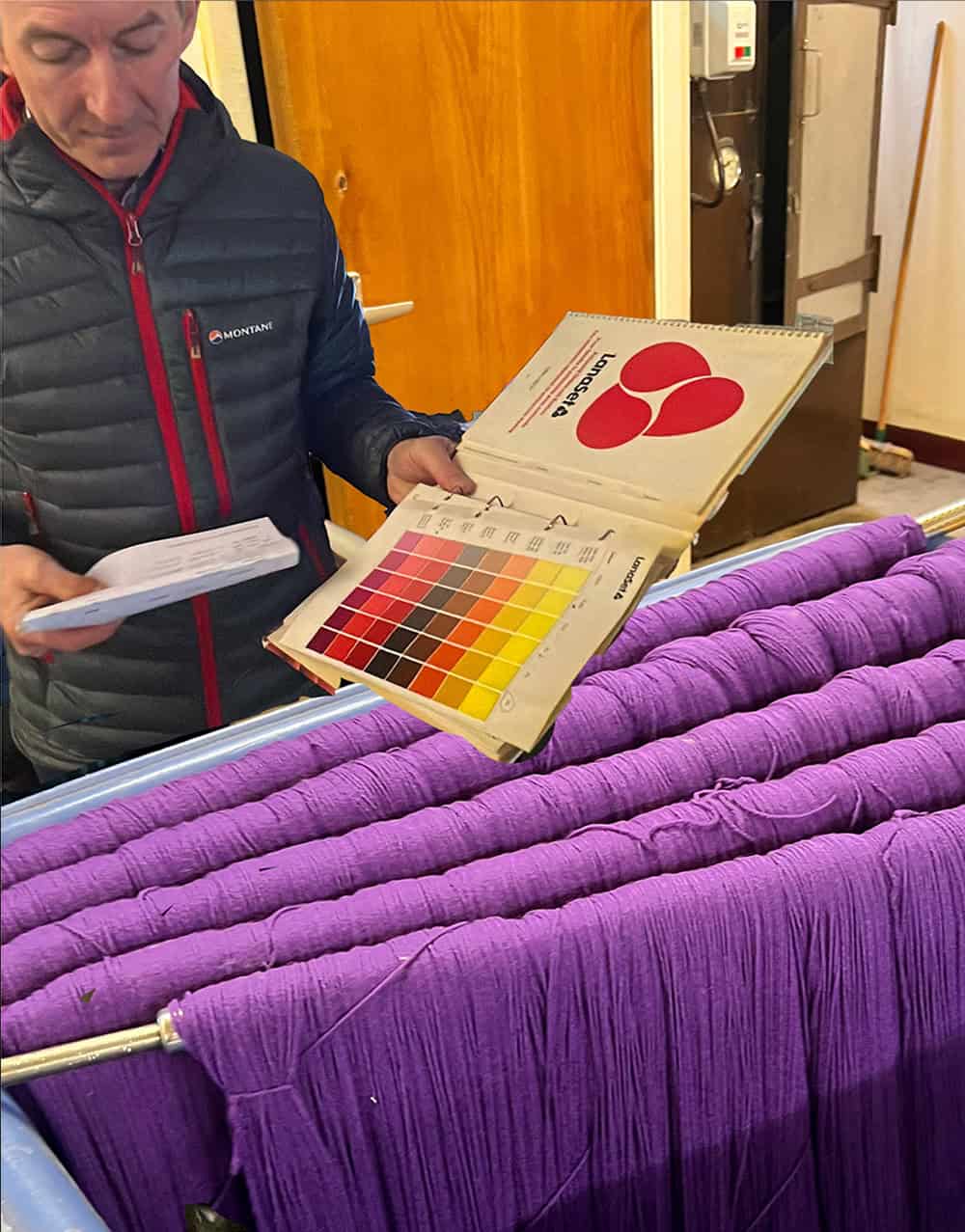
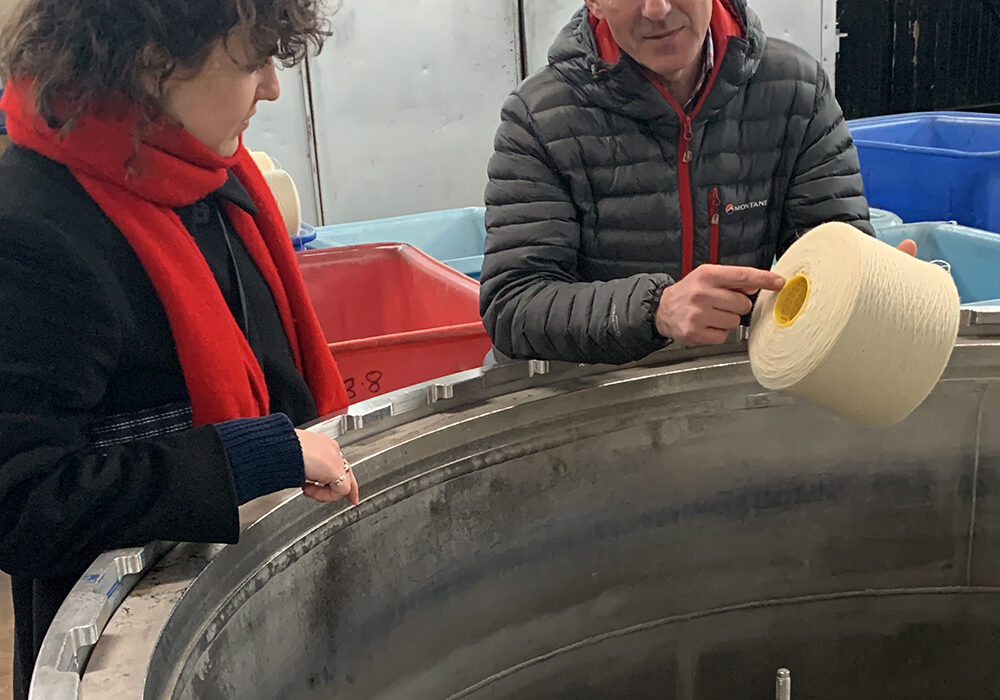
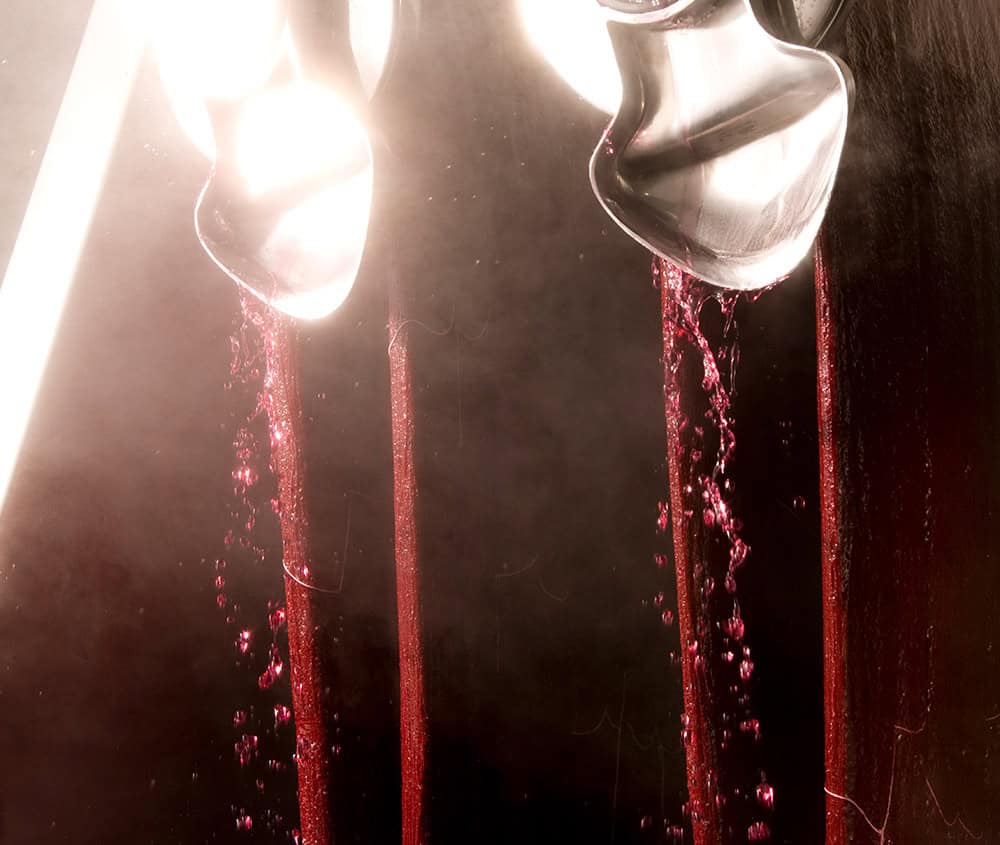
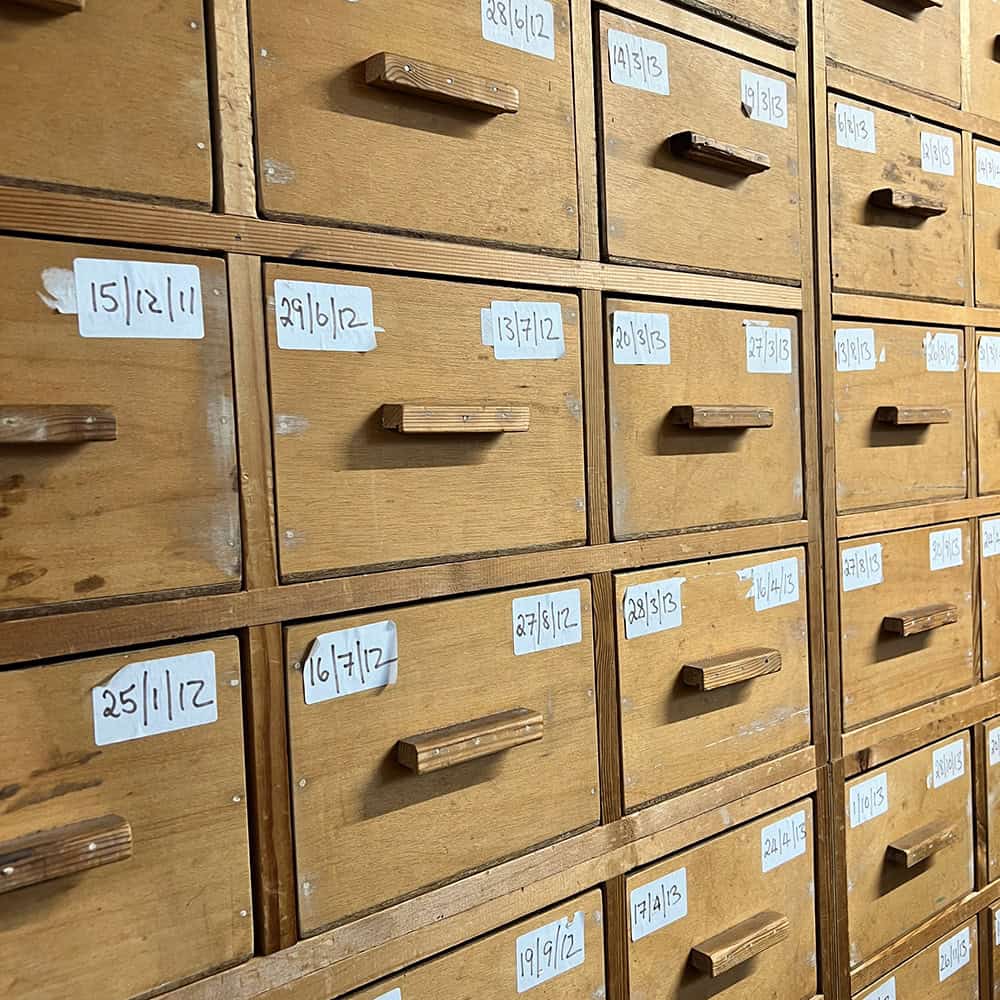
For generations they have handed down the skills needed for both the hank dyeing and package dyeing of woollen yarns. The first being a very gentle, precise way of dyeing small quantities of wool with little agitation and the latter a larger scale process involving big steel vats full of yarns wound on cones. The array of colour shades they can achieve is tremendous, Jason Renwick showed us rows of charming wooden draws full of decades worth of dye recipes, each for a specific client colour.
One of our central tenets is that tweed is the traditional way for gentleman to wear colour and we try to give you as much choice as possible. Ettrick Dyers have never failed to match the exact shade needed for our designs from the early days when we chipped up the yellow lines of London to the bright tints used in our raver designs. Nature abounds with colour and paying homage to this through your clothing is the surest way to put you in a good mood.
All the best,
The Dashing Team