What Actually is Tweed?
Tweed is one of those iconic fabrics that most people have heard of, it represents a certain classic Britishness, a ruggedness in patterns of checks and herringbones; the attire of gentlemen at leisure. Yet understandably many people come to our shop and ask ‘What actually is Tweed?’ and ‘What are Dashing Tweeds?’.
Good questions, and well worth an explanation.
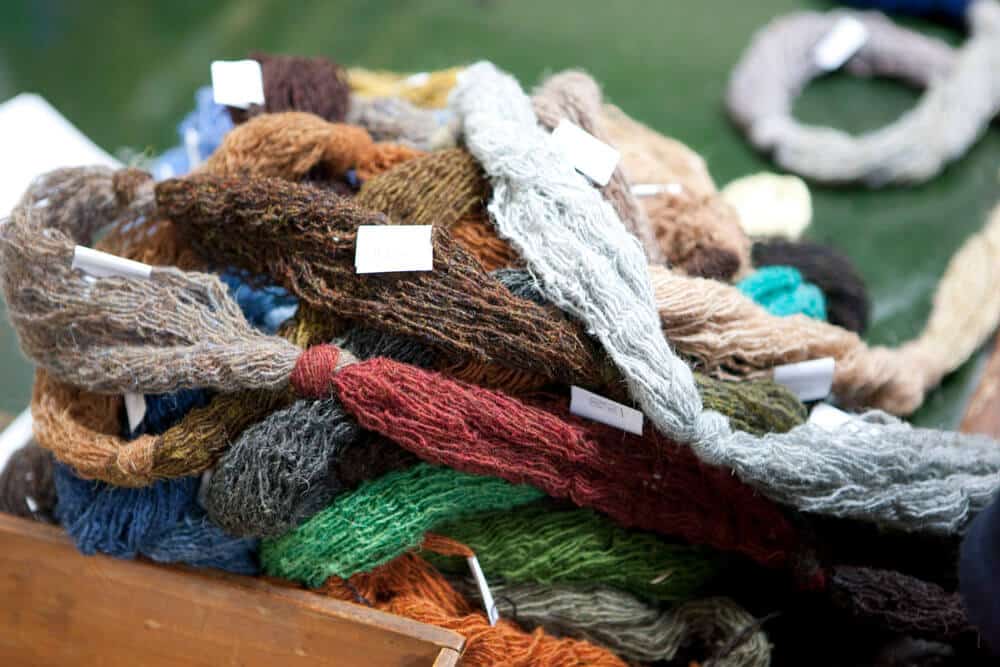
Interestingly there is no exact recipe or definition of tweed as there is for example for Stilton cheese or a Bowler hat. We think we live in times of hype fashion but the industrious Victorians were there before us and masters at grabbing one’s attention with romantic stories and manufacturing.
To cut to the chase they coined the name Tweed for a twilled woven woollen fabric. Supposedly, a merchant used the name of the river in place of the word twill and it stuck, but I find the creation of the legendary fabric fascinating so read on for the nub of the matter (a yarn based phrase itself).
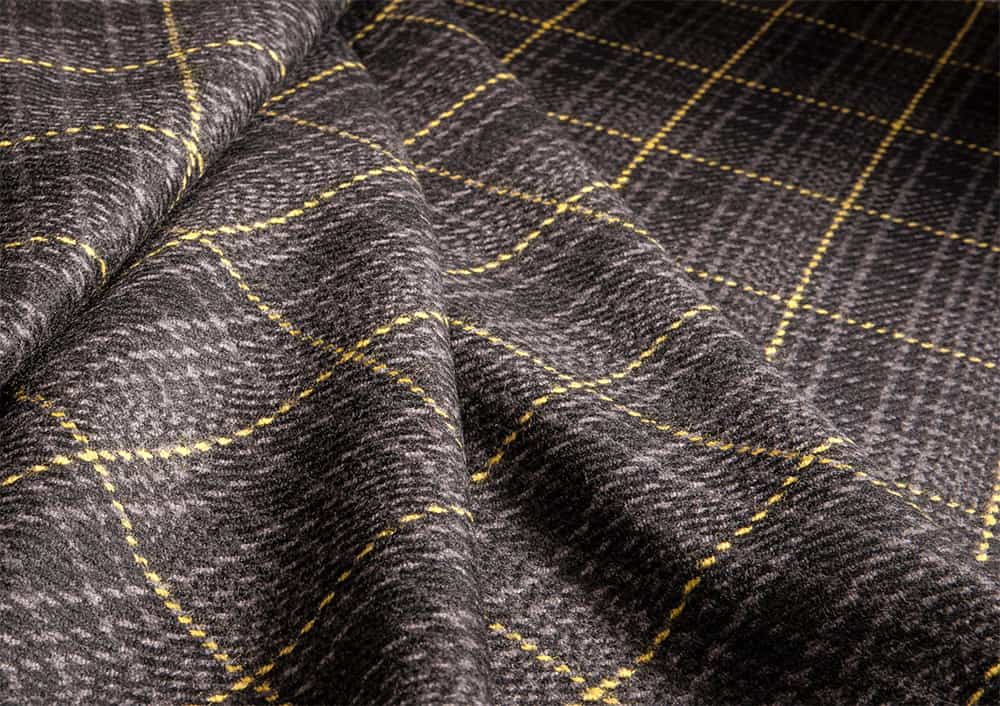
Since the invention of weaving many thousands of years ago, populations around the world have been twisting animal and plant fibres into yarns and creating fabric with them. In essence the process could not be more simple, vertical yarns known as the warp are held in place by a loom, frames, or even just hung off a beam or pole and then horizontal or weft yarns are threaded alternatively in front or behind these warp threads. The weft yarns can go up and under every warp thread to create what is know as a plain weave or to speed things up it can jump over two or four yarns at a time; as this process continues a diagonal structure appears in the cloth known as a twill.
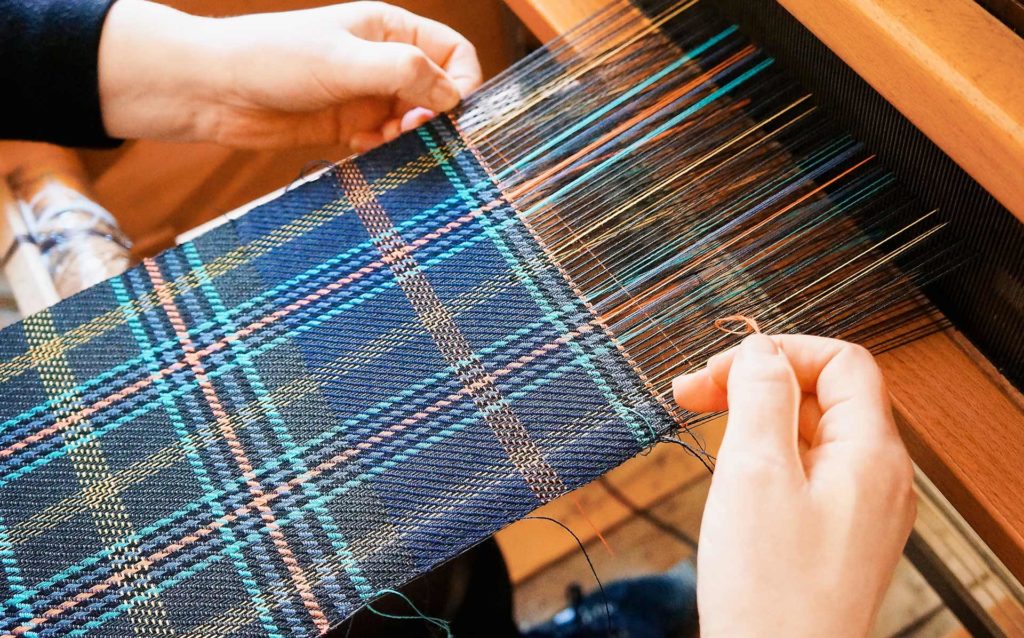
People naturally like to put things in order, for instance grouping the wool from black and white sheep. When these are used in alternative stripes for the warp and weft threads a pleasing check pattern is produced. This pattern must have been woven aeons ago and it’s pleasingly known as a shepherd’s check today.

Once it was discovered that local plants, lichens and even beetles can dye wool numerous colours, and that urine would enable the colours to hold fast there was no stopping weavers everywhere producing exciting checked patterns on their looms. Sometimes these patterns would be used as a form of identification for shepherds or for whole clans. At other times it was found that patterns woven in the colours of the land created camouflage useful for hunters. Variations of these structures, known as disruptive pattern materials would go on to save millions of lives during wars.

Great Britain offers a huge variety of landscapes and resources; Northern England and the Scottish lowlands are ideal for the production of woven wools. Sheep prosper on these lands and local waters such as the River Tweed gives the wool a wonderful finish.

In 1856 Queen Victoria and Prince Albert built a new home in Balmoral. Their appreciation for outdoor sporting life set a fashion which was quickly adopted by the English aristocracy. Families made rich by an empire and the industrial revolution constructed estates and filled them with staff and friends. As is often the case with the newly rich it’s important to stand out and what better way than to have a unique fabric created with which to clothe yourself and retinue. Woven wool cloth could be made in endless patterns and proved perfect attire for these outdoor loving arrivistes. The hay-day of Estate Tweeds had arrived.
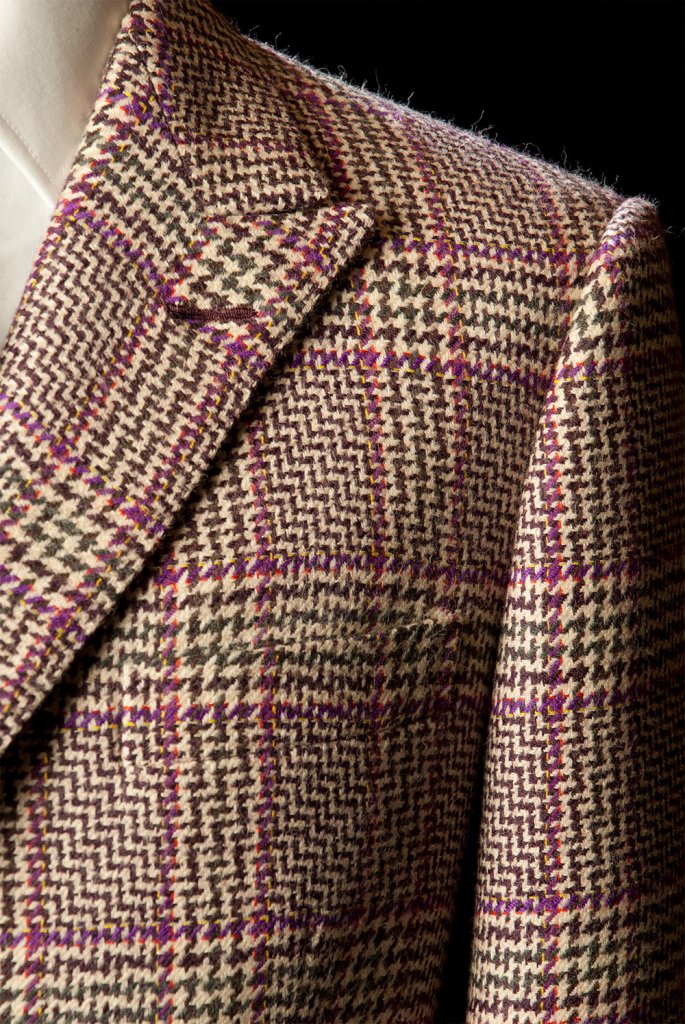
Jump to the twenty first century and tweed is by now the iconic fabric of British country life with an established and even fusty image. Generations have grown up with colourful tweeds in a whole range of checks, houndstooths and herringbone designs. Designers such as Vivienne Westwood have used the cloth as a subversive political statement; dressing anarchic punks in the fabric beloved by lords but otherwise tweed is left to retire. More people than ever are living in cities and a whole new range of synthetic sportswear has been developed creating a burgeoning ‘athleisure’ culture.
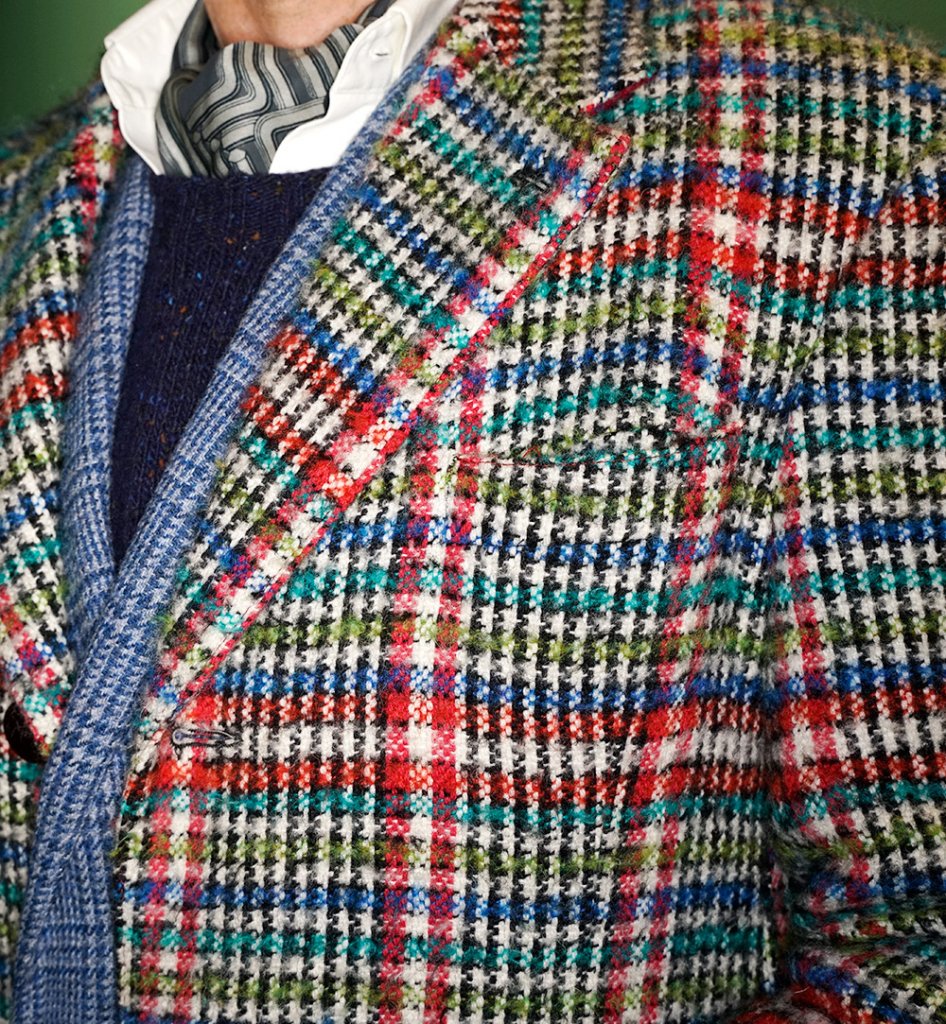
It was at this point that we started Dashing Tweeds with the aim of breathing fresh life into the fabric. We felt that many aspects of tweed are relevant today and advances in wool has made it even more comfortable to wear.
Inspired by both modern colourful sportswear and traditional dyes we’ve taken the fact that tweeds are the classic way men wear colour and played with exciting new combinations. In addition we have incorporated modern technical yarns such as our Lumatwill reflective threads giving Dashing Tweeds a whole new lease of life for athleisure in town today.