


SELECTED FOR THE SEASON: THE EIGHT PIECE CAP

Much of the fun of dressing is asking yourself “Who do I wish to be today?”
At an early age we need role models, they show us the way in terms of style and manners. We try out different looks and slowly assimilate our own personal style. For many this process stops after a while, but I always find it fun to continue trying out new looks and seeing where they’ll take you.
Hats and in particular tweed flat caps represent a whole microcosm of this personal voyage. You could decide whether you would like to channel a dandy royal, a moody rock star, a mob boss or simply a newspaper boy all by donning a cap.
Amazingly the essence to all these diverse looks is through one style; the eight piece flat cap. I find it fascinating that a whole history of fashion converges on this singular cut of cap. This is a conundrum buried in five hundred years of style history.
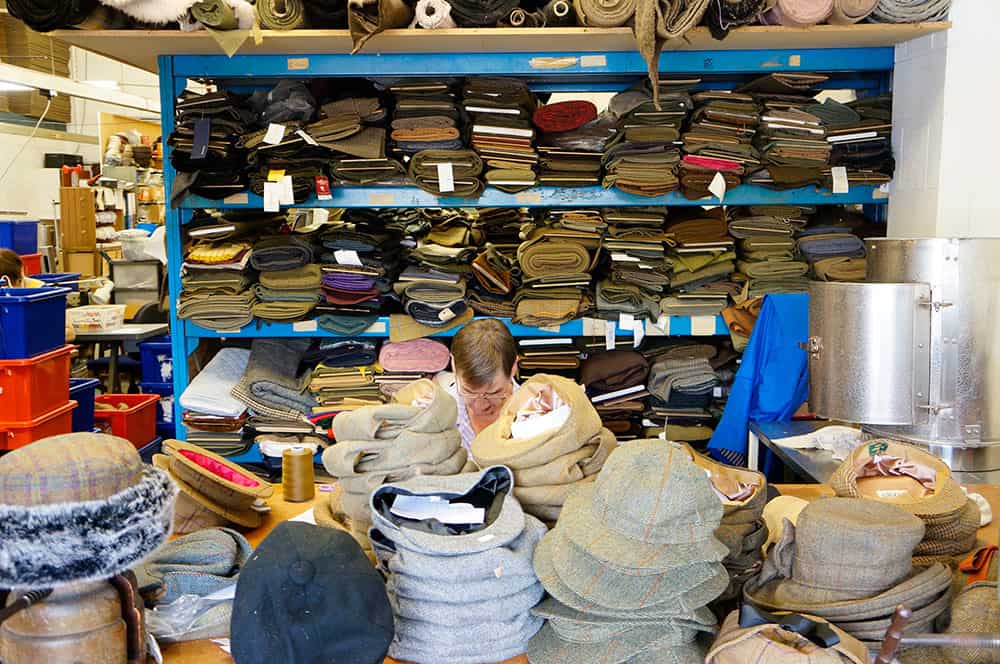
In order to sustain our woollen trade an Act of Parliament was passed in 1571 forcing every man over the age of six to wear a woollen cloth cap. Of course, as with so many laws nobility and the wealthy were exempt. Having no choice, flat caps were rapidly adopted by the lower classes and indeed became a style icon for the working man especially in proud agricultural and later industrial areas such as Yorkshire where our traditional caps are still made.
During the nineteenth century many Irish immigrants travelled to the States taking their flat caps with them and the style was adopted by the counterculture beatniks, lending a creative cool to the look.

Over time the expensive and bulky hats of the upper classes became less suitable for new fangled activities such as motor car driving and golf. The by now democratic eight piece flat cap jumped to the rescue and was eagerly adopted by the sporty aristocratic set.
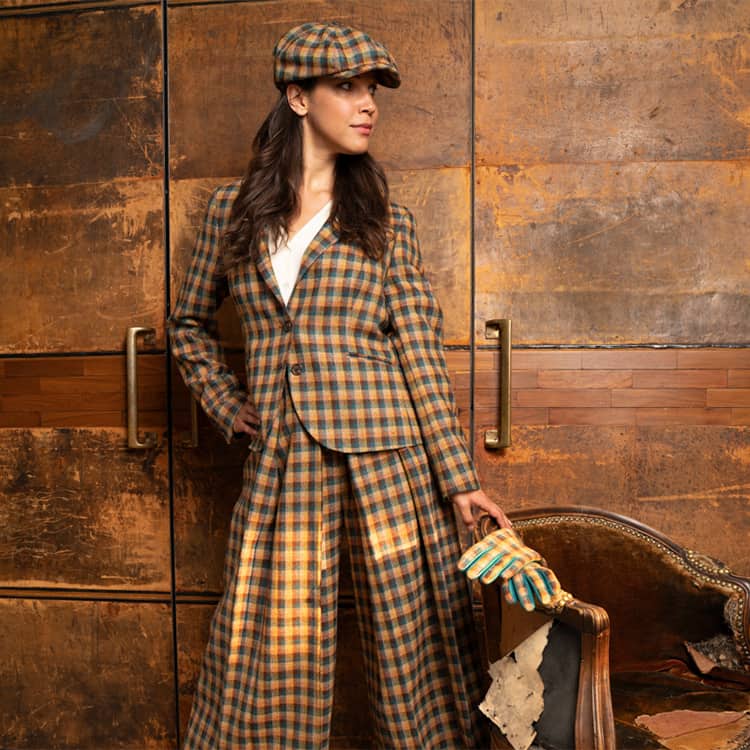
So it’s really up to you to decide which style facet of the cap you like most and then take it in your own direction. You never know, your style addition may well go down in history.
