Industry Insider: Knoll Yarns
When it comes to cooking, sourcing the correct ingredients with the right taste and look is everything. Whether rhubarb is grown by candle light can make all the difference and chefs can go spare if their asparagus spears are the wrong shade. So too with weaving, it’s easy to make a dogs dinner of designs if you don’t get the yarns right.
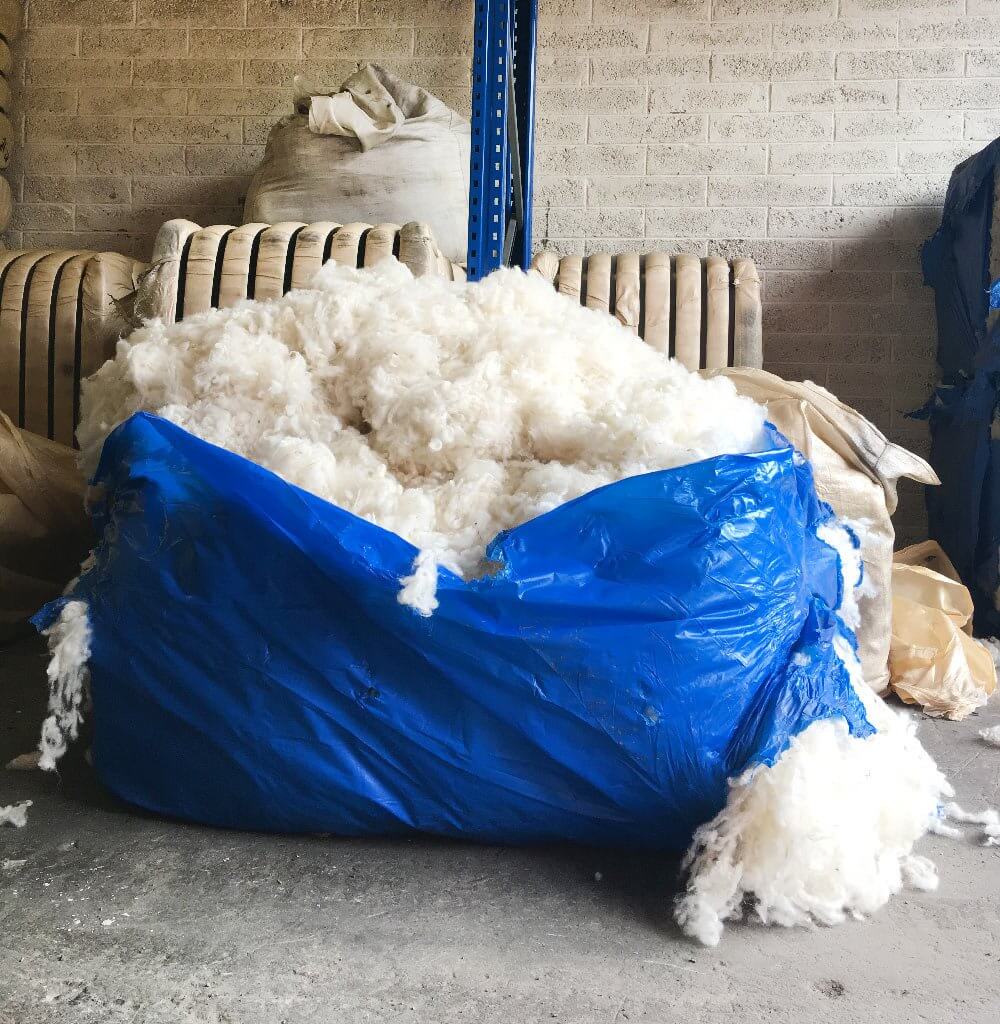
Our modern tech age has removed us from processes that used to be commonplace in village life such as twisting wool into a usable thread. I was looking to buy a spinning wheel this summer in order to turn a fleece into hats for my long suffering children. I thought I would look for a class to use it and got very excited with the number of Google results until I realised I’d only found rooms full of people peddling to get nowhere fast in the name of exercise.
Spinning is one of man’s oldest inventions, ancient people started by simply dropping a spinning piece of wood and teasing out fibre from a fleece connected to the spindle. When travelling to remote areas of the world you can still see people drop spinning fibres such as Alpaca in South America.

In England, as any school child can tell you Hargreaves spinning jennywas central to the industrial revolution, speeding up yarn production enormously and spear heading global change. Nowadays, spinning is still one of the most important of industries and here at Dashing we like to use the best.
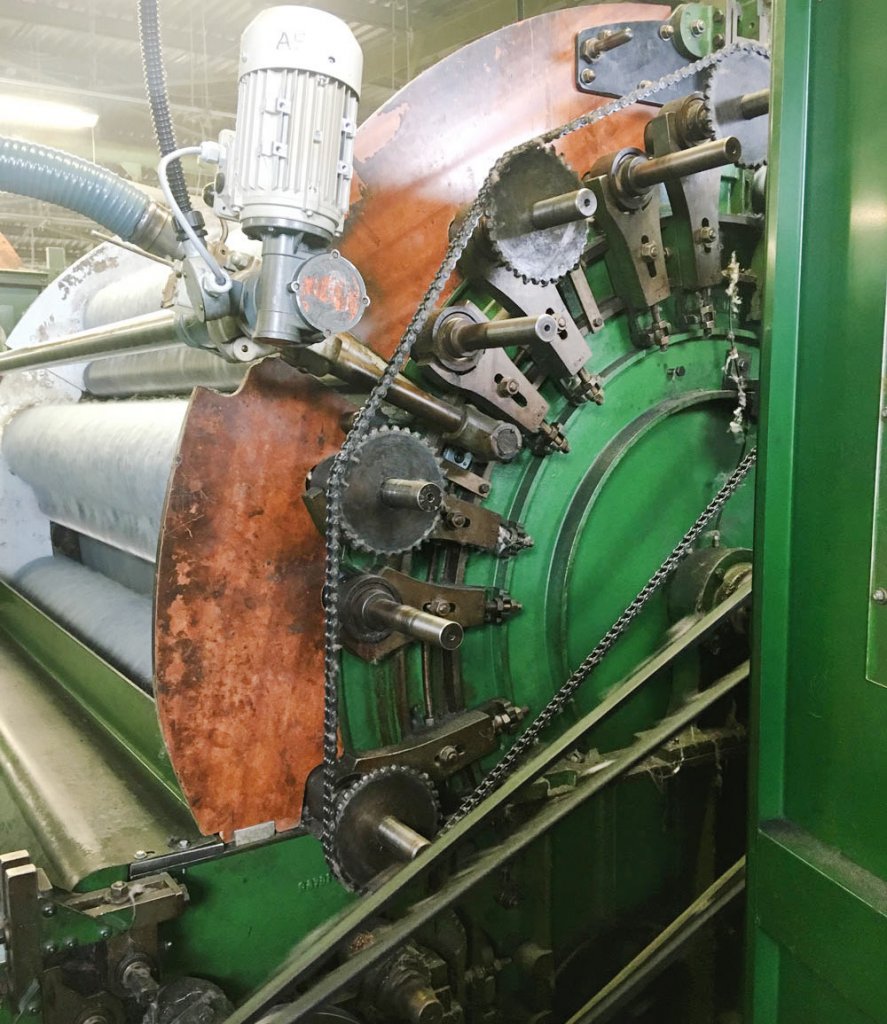
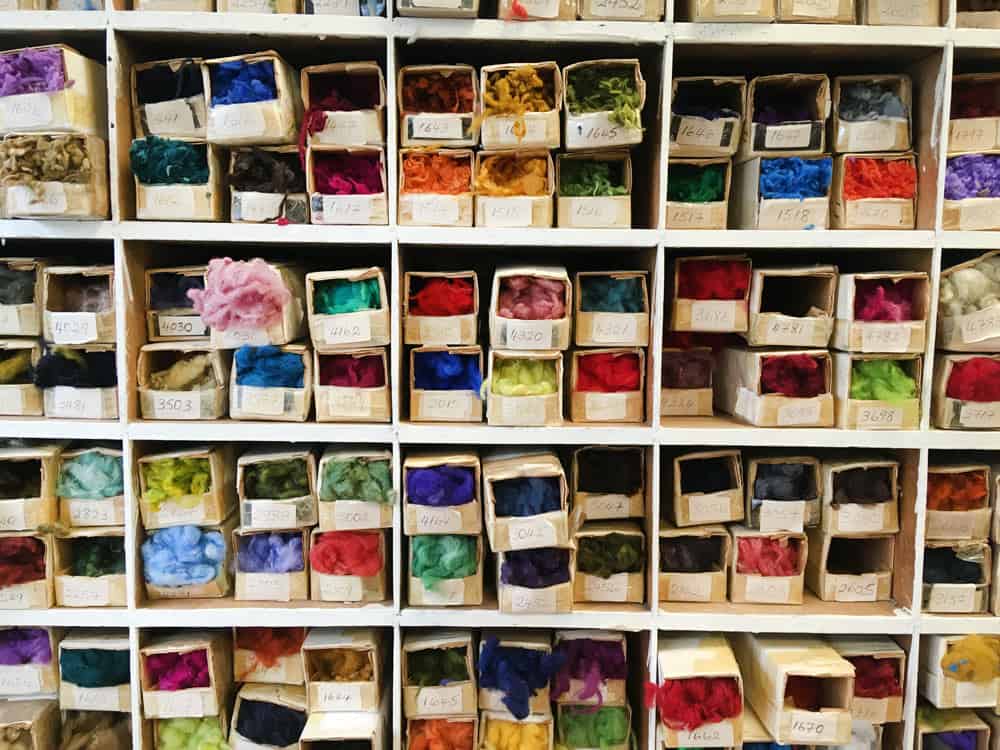
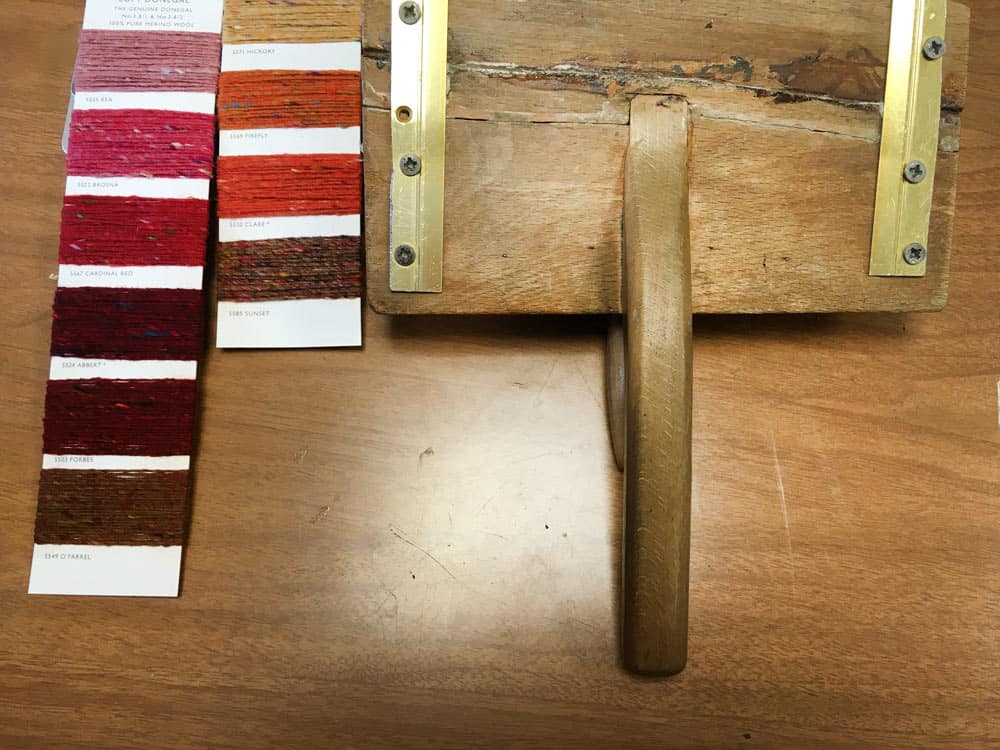
Knoll Yarns was set up in Ilkley, Yorkshire only 41 years ago by Sean Crannigan and has gained a reputation as one of the best yarn designers and suppliers. They supply yarns to everyone from Burberry, Prada and Ralph Lauren to individual home knitters. We were interested in their Donegal yarns which are spun in Kilcar, Co. Donegal. These yarns are famous for their nepps of colour and there is great skill blending dyed wool and preparing it for spinning to achieve the desired effect. Rebecca Shaw works at Knoll as a yarn designer taking reference from colours all around the country as well as harking back to classic texts such as Werner’s Nomenclature of Colours.
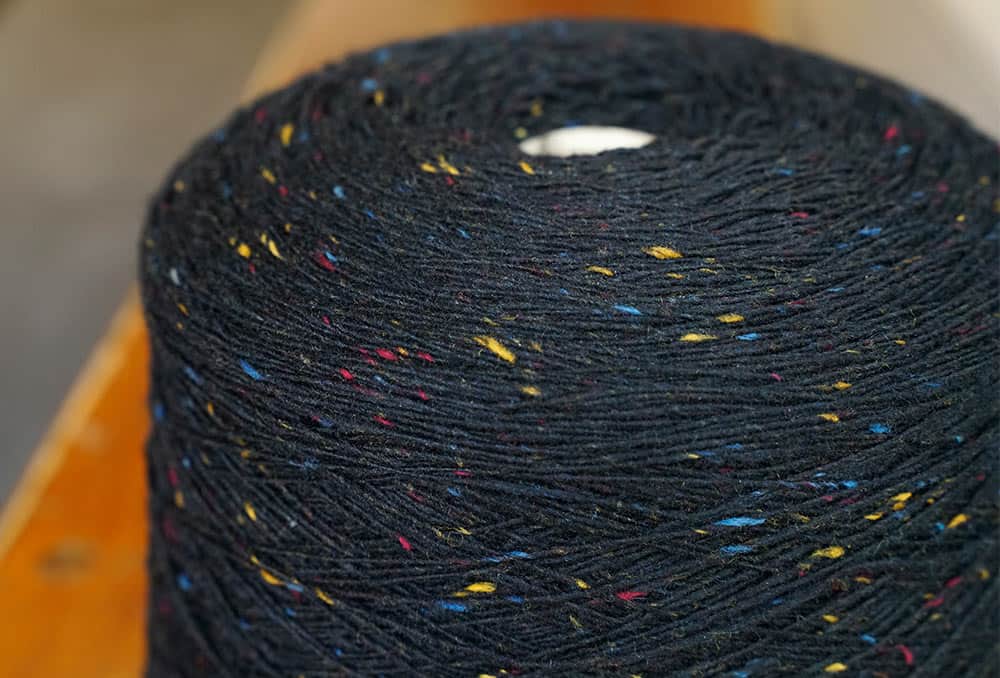
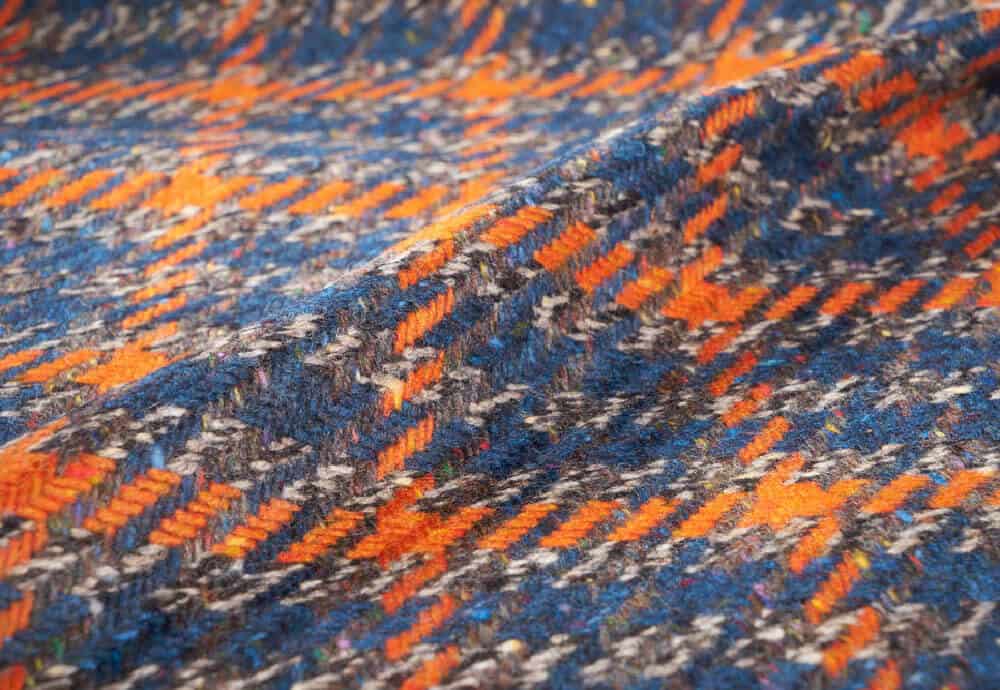
We worked with Knoll this season for our collection of beautiful woven soft Donegal tweeds and even developed our own yarn. Back in the 1980’s I wanted a black tweed jacket with flecks of primary colours but it sadly evaded me. Rekindling the desire we now have our own ‘Motley’ yarn and have used it for both weaving and knitting a small range.
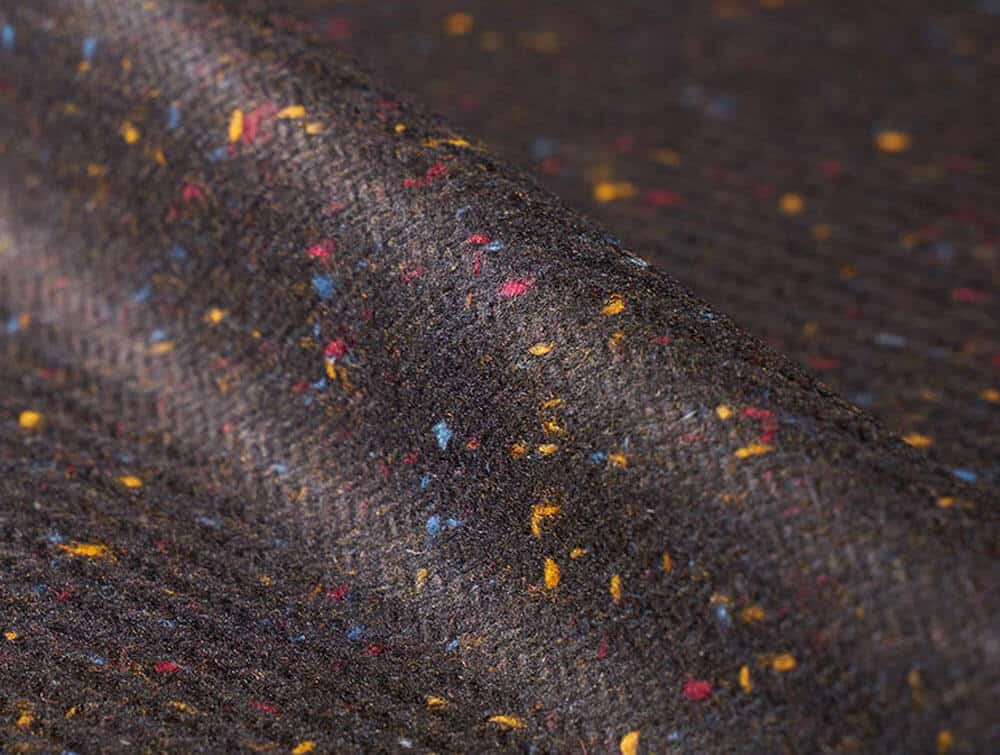
For those with a sparing taste for colour this predominantly black tweed is a great starter, and then as your palate develops we have an ever increasing palette of yarns which Knoll is happy to deliver us by the pallet, so do stop by our flagship shop at 47 Dorset Street, Marylebone and we’ll get you sorted.