

CONTINUE THE HOLIDAY
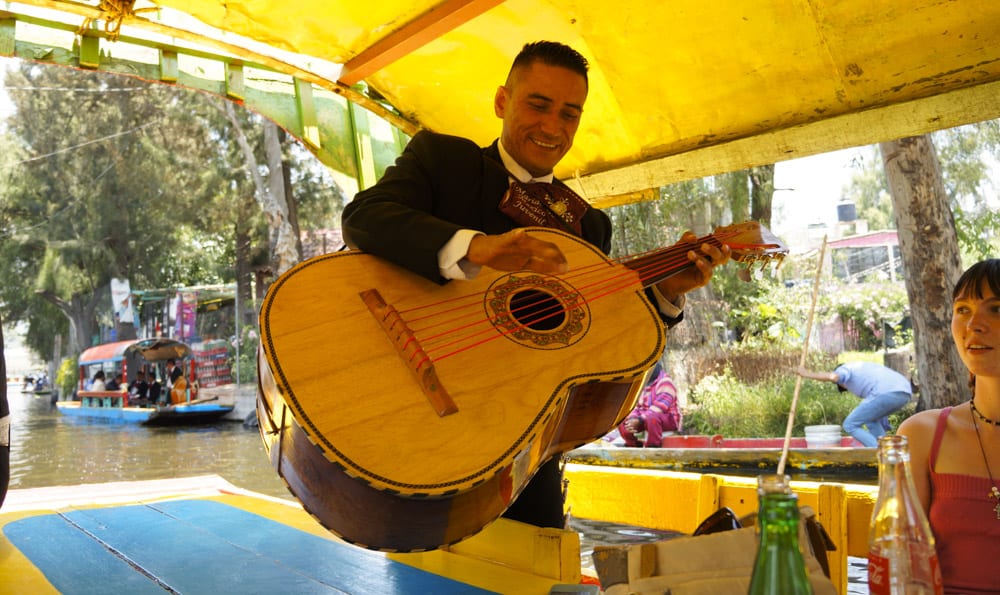
Getting back always requires a gentle adjustment, lingering awhile, enjoying a relaxed lunch and avoiding stress. Why I ask myself can’t life be more like my fabulous few weeks in Mexico, what’s the rush anyway? There’s no obvious reason to speed towards our demise, and the one thing travel teaches you is to enjoy the journey and savour the moment. Now, before I start sounding like a lame life guru, I’ll get straight to the point; how great textiles can greatly improve your life.
I sojourned to Central America with a partially packed case having been told how fabulous Mexican handicrafts are. I was not disappointed and half wished that my case was totally empty in order to pack in more hand made and woven goodies.
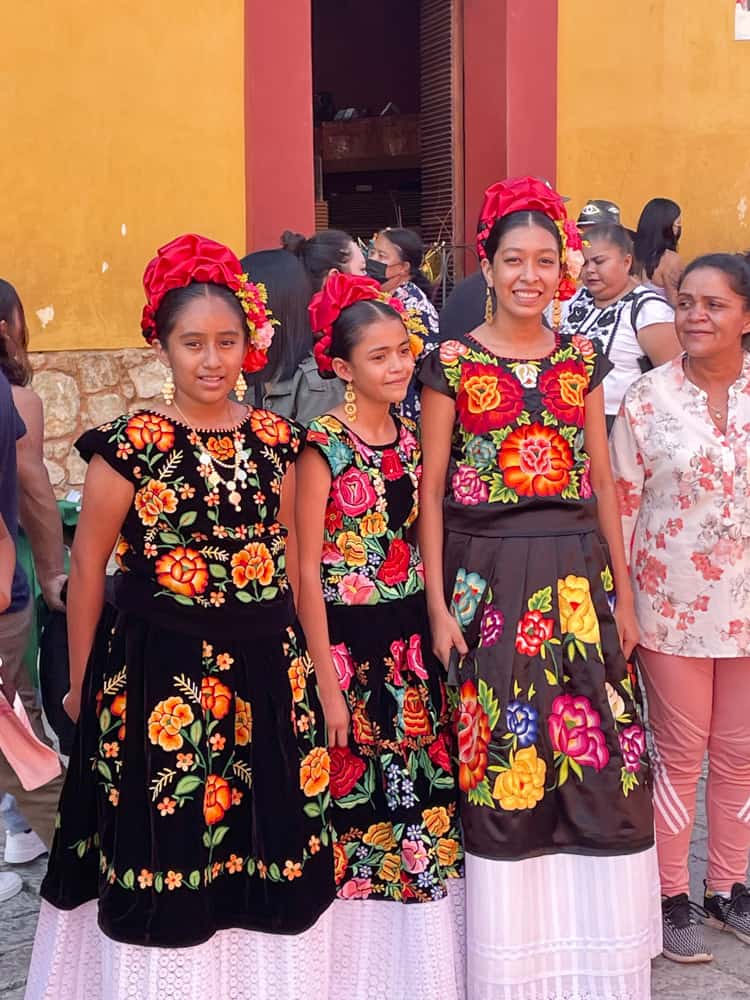
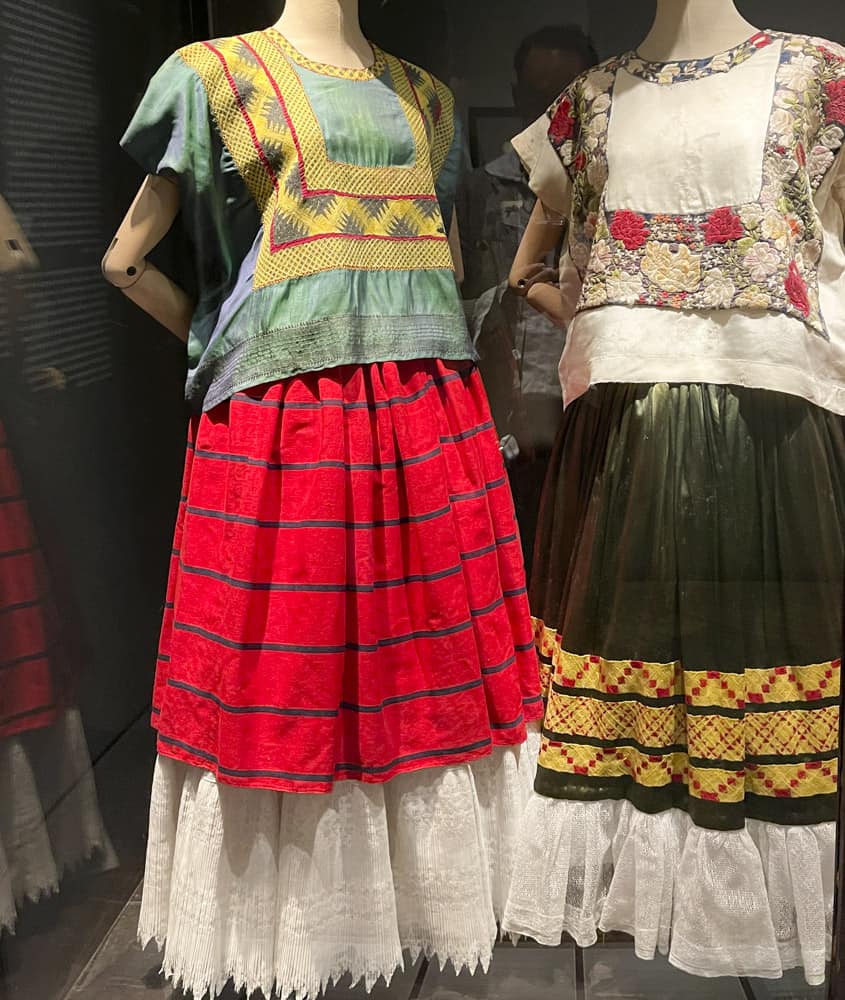
Folk textiles seem much more prevalent in the areas of Mexico I visited from Mexico City to Oaxaca and contemporary designers such as Carla Fernández take delight in using the skills of local makers for her modern pieces of clothing. I was lucky whilst visiting Oaxaca as a festival was in full swing exhibiting the best of village life. Dancers performed in the local arena and hundreds of crafts people from the surrounding areas exhibited their skilled creations on the streets. There was no stigma attached to wearing local costume and generic high street chains seemed mercifully absent. The old and young alike seem proud to sport clothes made with love and attention with one foot in traditional. The colourful textiles of Mexico seem to have always been valued, internationally famous artist such as Frida Kahlo have done tremendous service in this respect highlighting the skills of country folk and influencing fashionable designers such as Givenchy, Jean Paul Gaultier and Comme des Garçon.
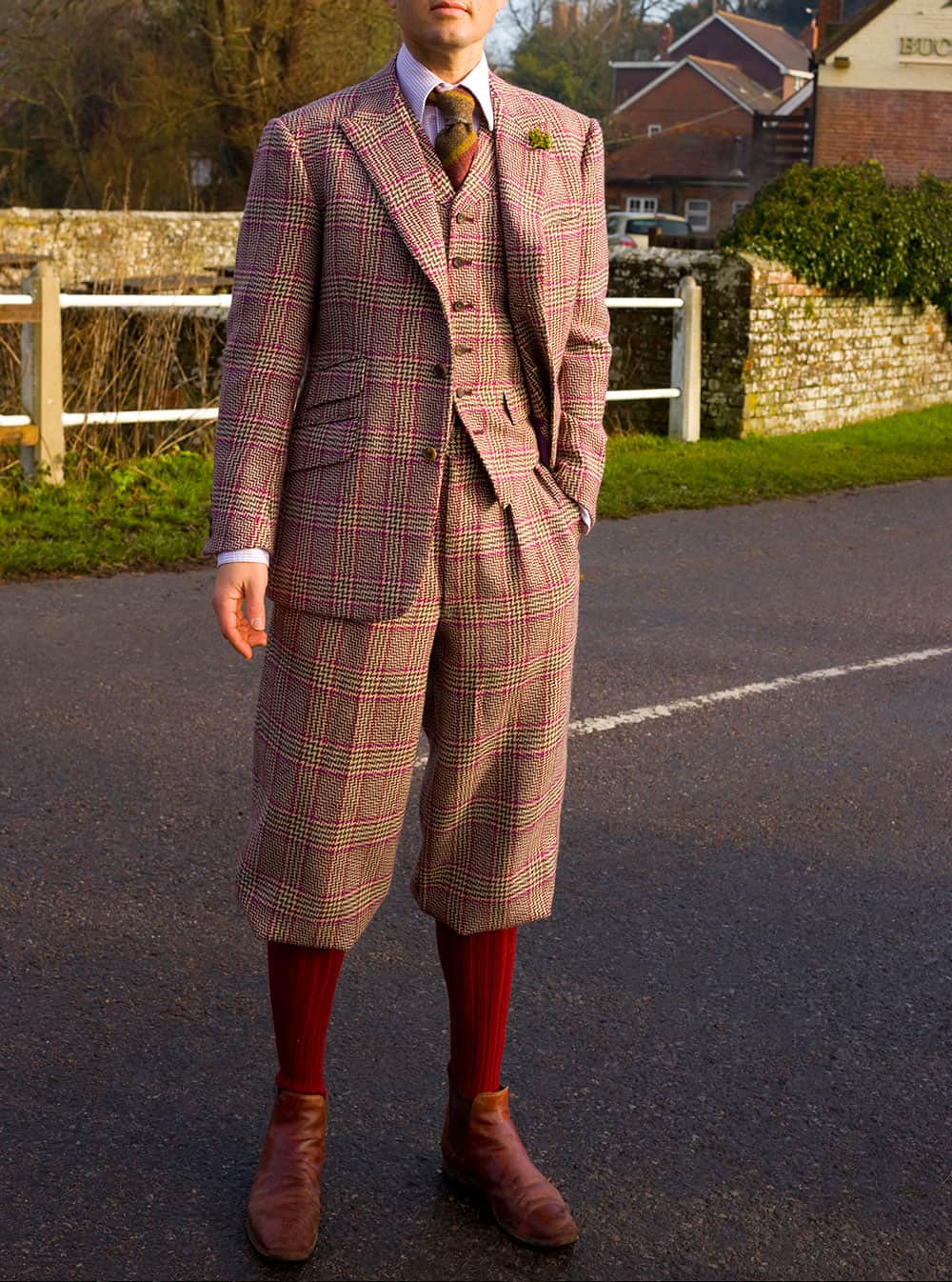
So, I ask myself what is the British equivalent? Textiles and clothing with a conscience, quality, tradition and modernity. Smocked shirts are certainly not that common nowadays and indeed I’ve hardly ever seen a real farmer in one, although interestingly smocking was developed in England to make work clothing more flexible. Knitting has been popular in Britain for generations especially in coastal areas but again Fairisles and Guerneys are not that often seen. The answer is of course a tweed suit. The suit is a peculiarly British invention, the wearing of a coat with matching trousers was first seen on Charles II; the word suit coming from the Anglo-Norman ‘siwte’ meaning a set of things to be used together.
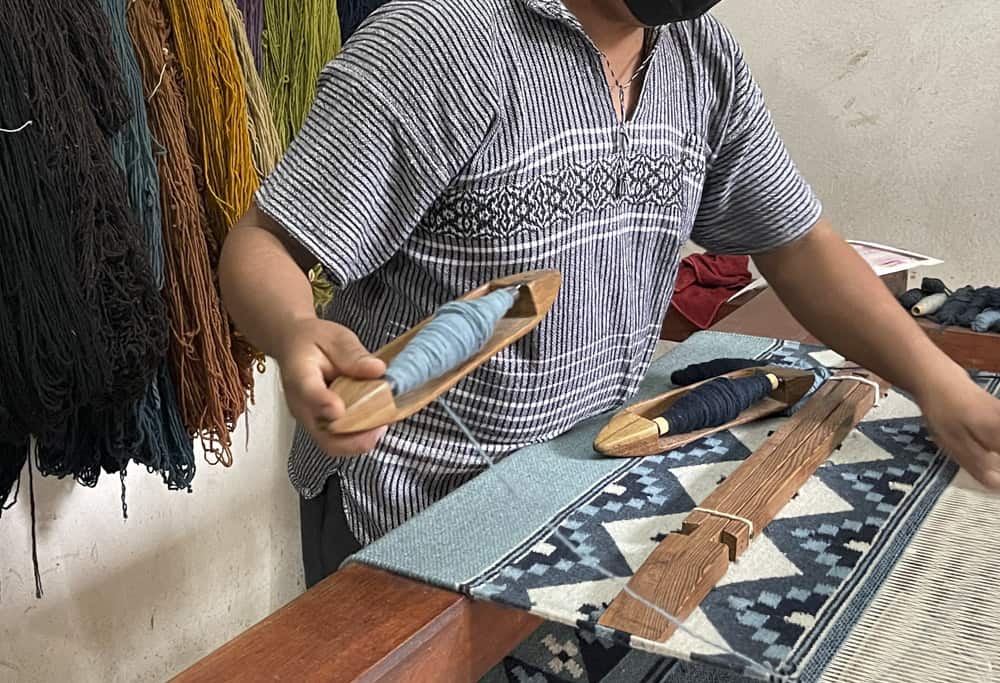
Weaving is a very ancient art probably brought to our country by the Romans. Wool used to be one of our greatest resources, as we all know from school much of the wealth of Britain during the middle ages was from our superior quality indigenous wool and now thanks to the Campaign for Wool there is again a growing interest in everything sheep related.
The tweed suit represents both the heritage wear of country folk and that of gentlemen at leisure, it has been the garment of choice for hundreds of years and like a fine tree wavers to the vagaries of fashion.
As an increasingly insular isle we need to export as much as possible. Celebrating our traditional clothing, rejoicing in our cultural past and working with young designers to increase the popularity of tweed are all enjoyable and worthy activities.
We offer a made to measure tailoring service using any of our cloths. Below outlines the prices, and if you visit our tailoring page on our website you can find out more.
Jackets £975, trousers £550, skirts £520 and waistcoats £470.
2 piece suits £1,350 and 3 piece suits £1,555
Coats from £1375 dependant on length
We hope to see you in store soon.