


BRITISH WOOL: WEAVING
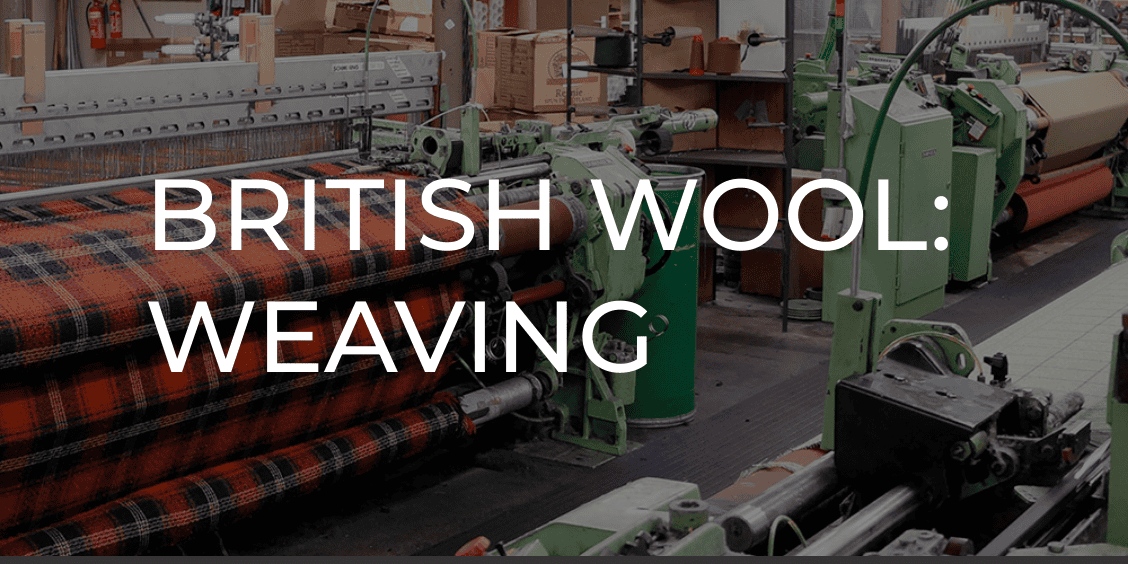
I never cease to be fascinated by the technical advancements mankind has perfected over the millennium. In terms of shear creative invention, weaving must surely be one of the great landmarks of civilisation. During Neolithic times men and women probably copied our clever feathered friends, watching them weave twigs for nests and started to interlace bark shreds together to make things like door mats, although I’m not sure if they had invented doors by then.
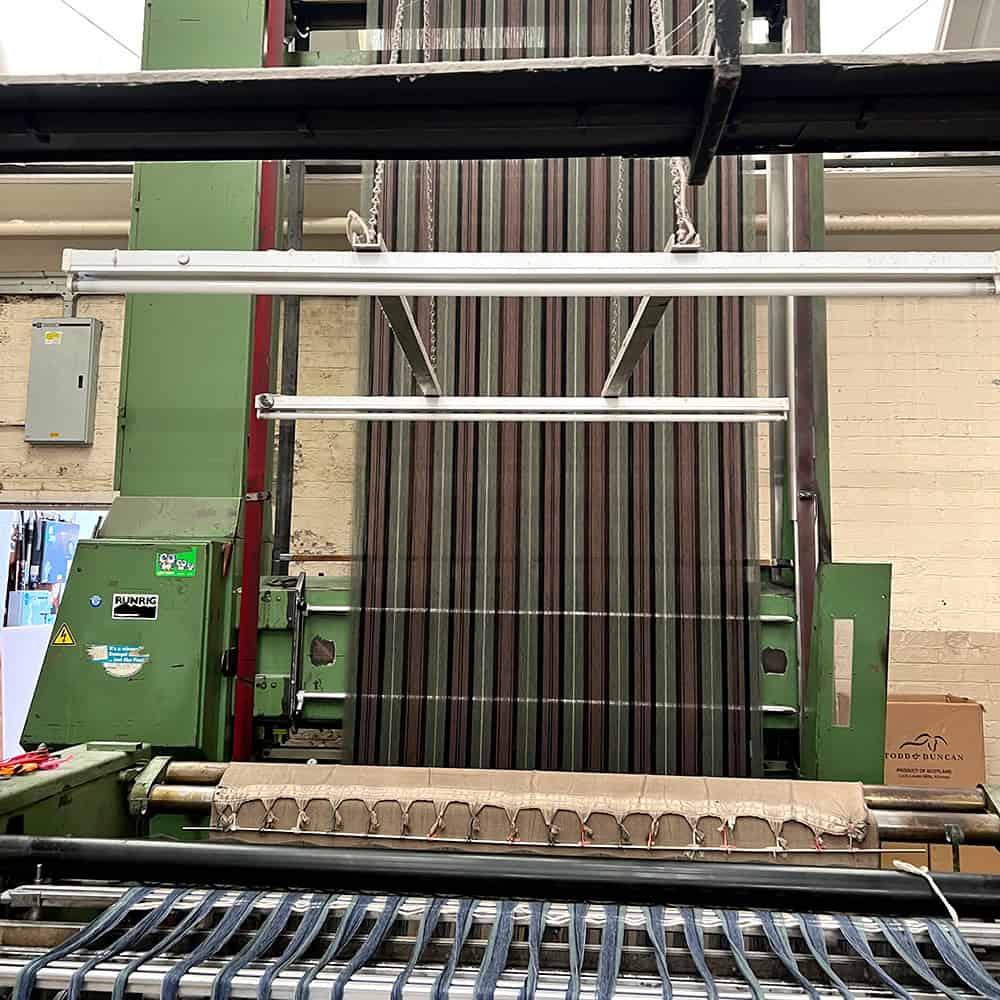
Like many great developments, weaving with fibre yarns seems to have independently arisen in civilisations around the world from Africa to Asia and South America. Biblical accounts such as Joseph’s technicolour dream coat allude to a plethora of complex textile techniques including, spinning, dying and weaving at least five thousand years ago and the preserved linens from Ancient Egyptian tombs show incredibly sophisticated weaving probably performed using warp weighted or back strap looms. The principle of stretching vertical warp threads on some sort of frame and then threading the horizontal weft threads up and under the warp ones is so clever that weavers have always be highly prized within the fabric of society. Even today in the city of the London, the grandest of the Worshipful Companies are The Drapers, The Clothworkers and The Weavers.

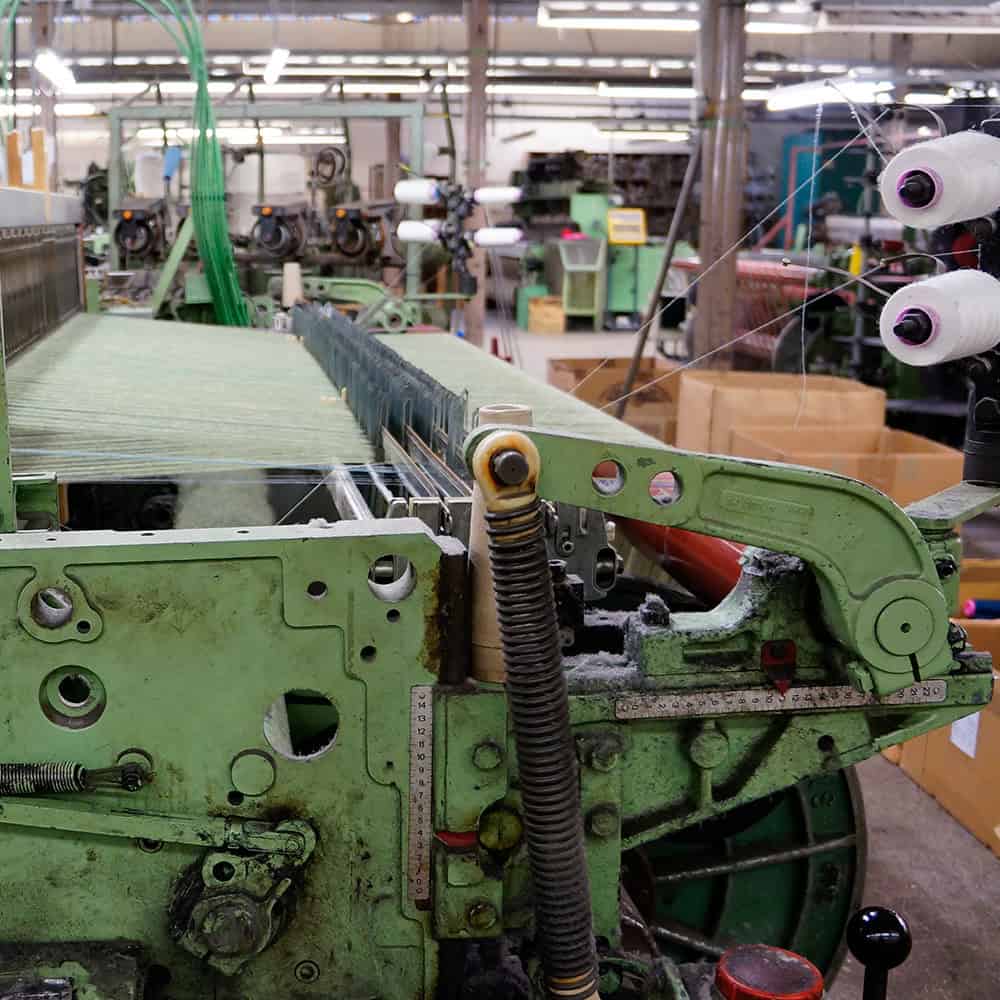
So to the late 18th century, and as we all know from school, Cartwright invented the power loom. Initially powered by water wheels and then steam engines the power looms flew shuttles of yarn across the warp at ever increasing speeds as the technology evolved. By the twentieth century, looms which used steel finger like rapiers to transport the weft threads became popular and these rapier looms are the ones still used today.
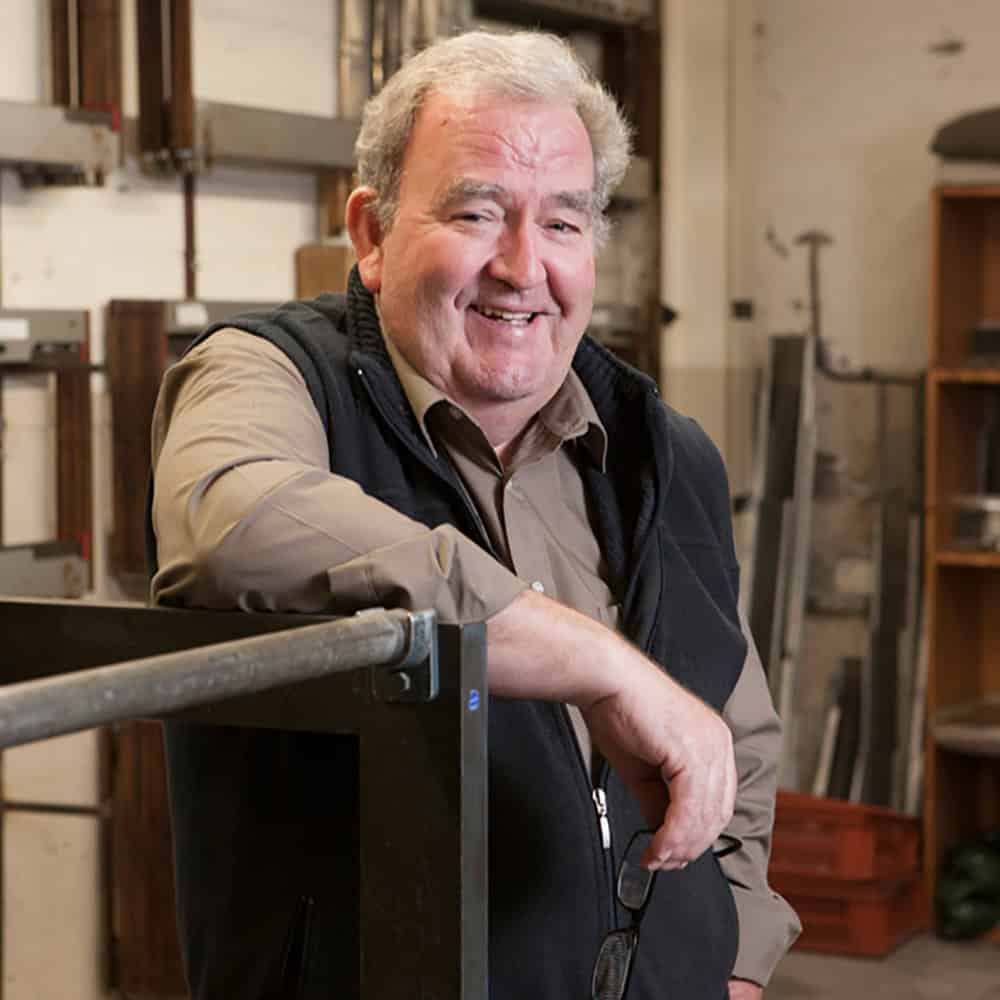
We relish our trips to the mill to visit Robbie and Stevie in the border town of Langholm, an area synonymous with tweed production. Robbie not only houses wonderful rapier and shuttle looms but more importantly a lifetimes knowledge and experience of the wool industry. A well known local character, Robbie gets the job done and knows all the key players in the industry from yarn dyers to finishers.

Once a huge business for the area, weaving now just exists in a few pockets along the tributaries of the famous river Tweed. Preserving the skill set as well as the machinery is absolutely vital for the next generation, especially as sustainability and the desire for well made clothes is finally starting to trump the cheap excess of the high street.

Every season we design new intricate clothes for Robbie to weave and he never shies away from the challenge whether it is working with technical reflective yarns or a rare breed of sheep’s wool, he always delivers a beautiful woven cloth in the small unique runs that we require.
To find out more about our latest collection, and new designs we are developing, watch this space.
We hope to see you in store soon!
All the best,
The Dashing Team