BRITISH WOOL: FINISHING
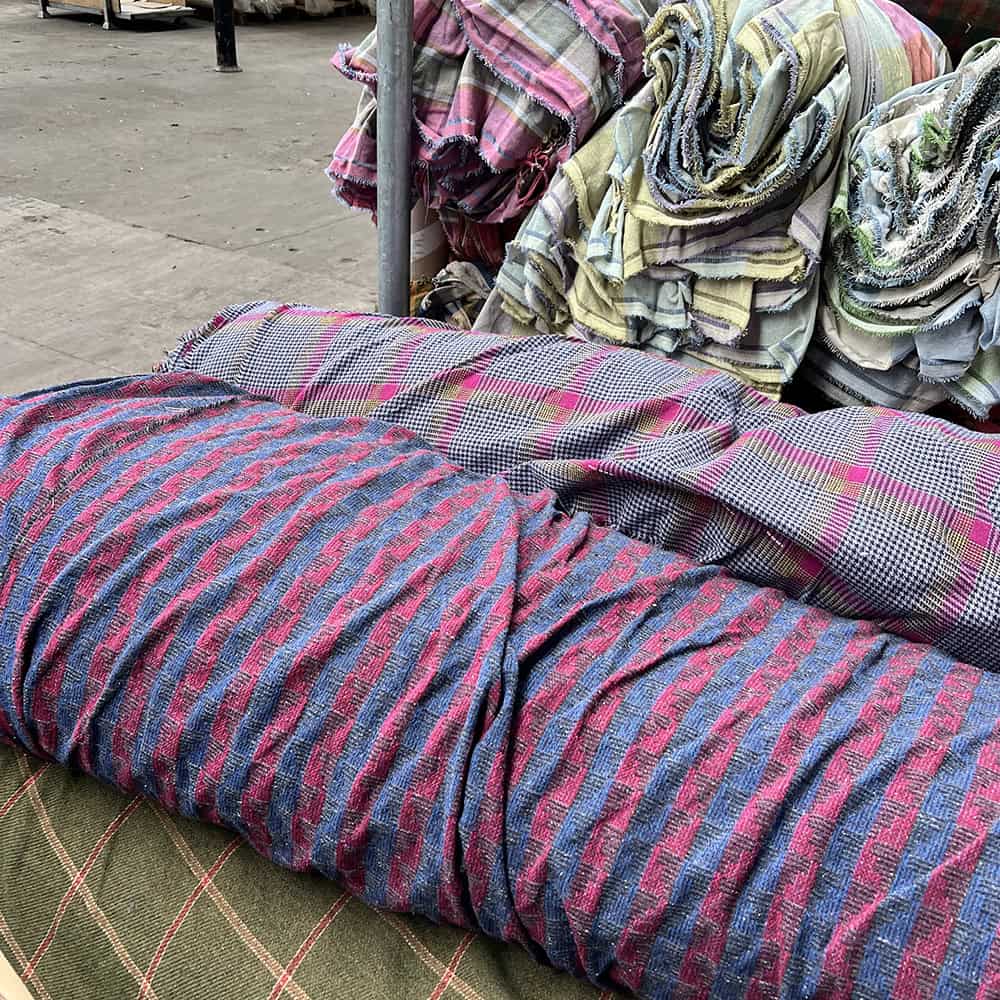
Finishing is not just the end process of tweed creation, it is the beginning of a fabric’s life. Wool is woven in it’s natural greasy state and so needs a good wash and dry once it is woven, but there is a whole lot more to the finishing process than you may have thought.
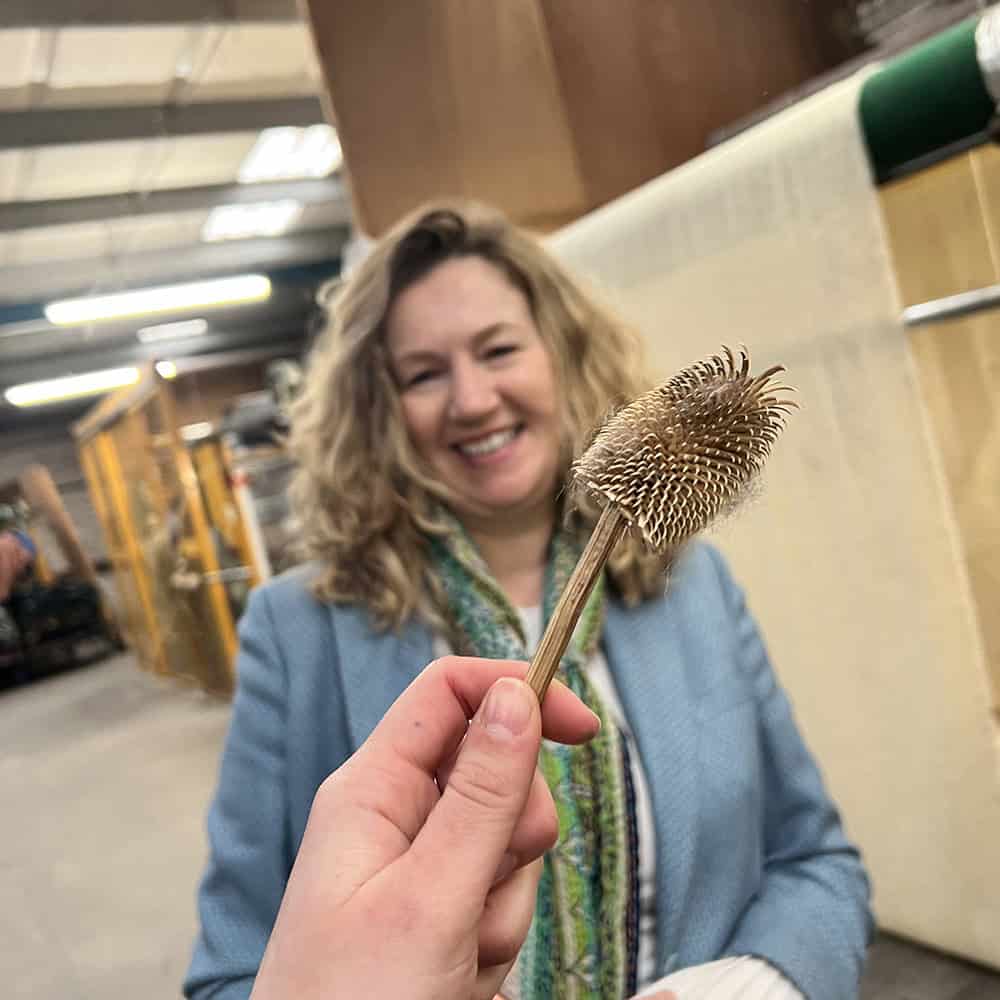
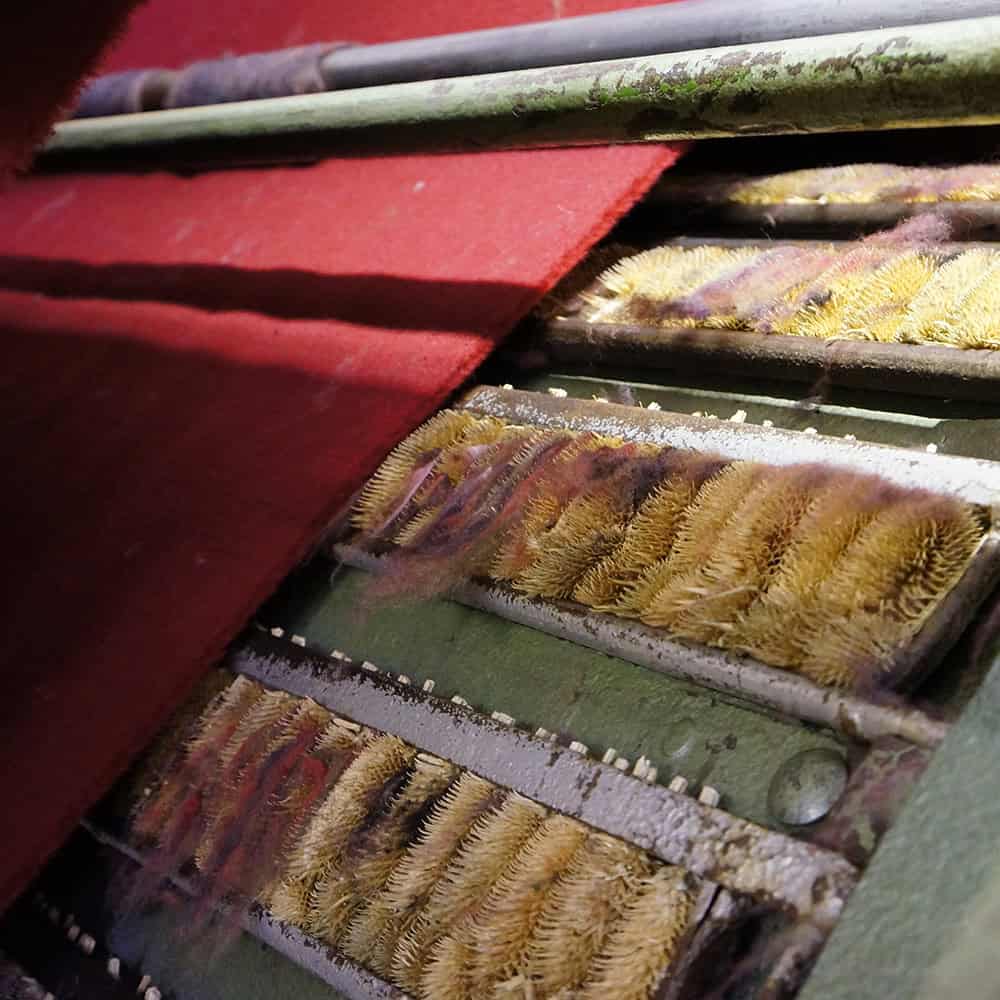
I could tease you, or perhaps teasel you with tales of the how the Eurasian thistle is used to brush up some wool designs or put you on tenterhooks before I explain that these small metal claws are used to grab the edges of a cloth and stretch it to the required width as it is drys. The vocabulary of fabric finishing is woven throughout our language.
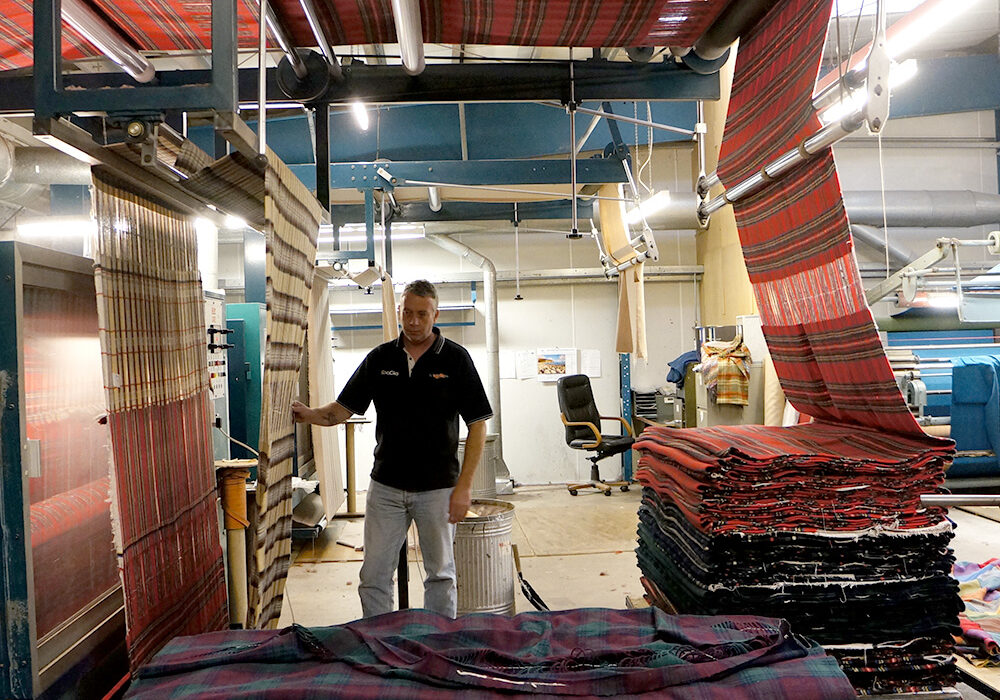
Historically special songs known as waulking songs were sung whilst handwoven cloth was put through a manual scouring process in remote Isles such as Harris. Today, more contemporary tunes are played whilst the hardworking crew at Schofield Finishers fasten hundreds of metres of cloth to a whole plethora of specialist machines.
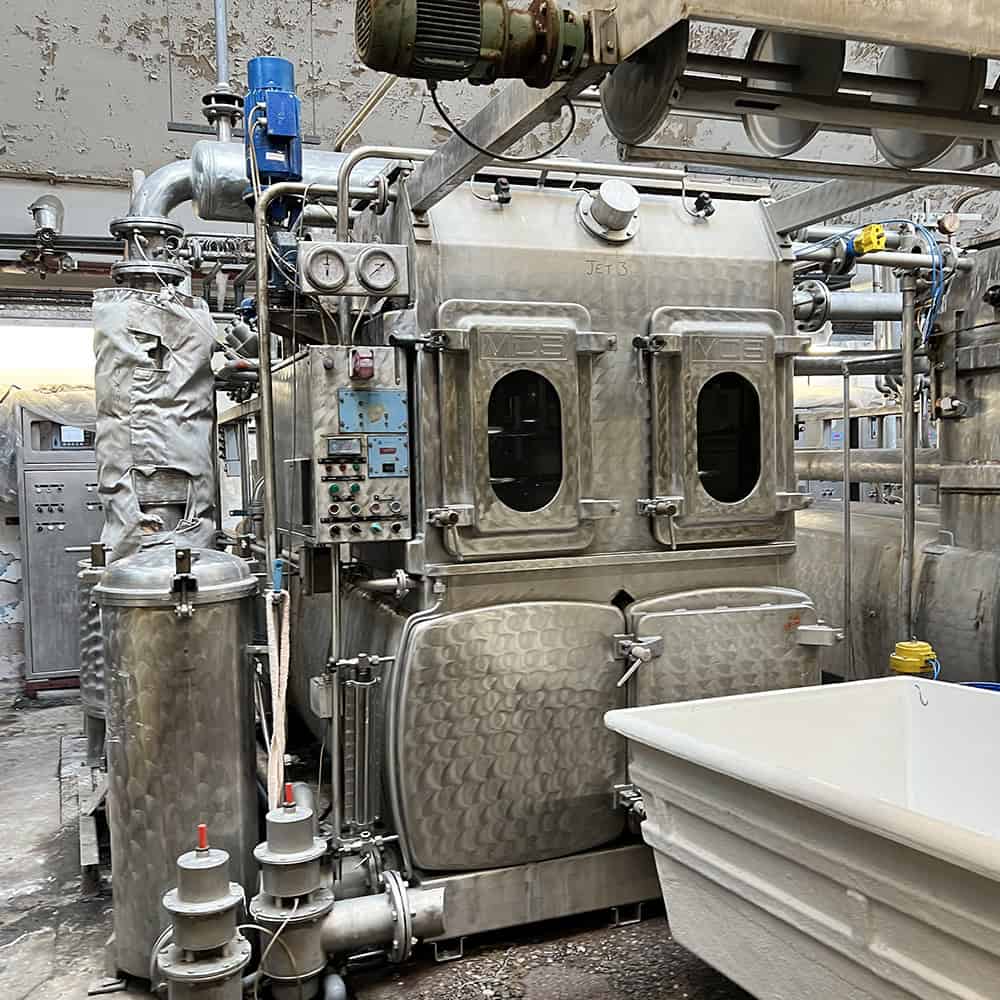
Once a cloth is woven it is checked over at the mill for any broken yarns and theses are mended by hand. This is meticulous, skilled worked that cannot be mechanised and it is increasingly hard to find skilled darners. Once every inch of a 60m piece of cloth is checked by eye, it is driven over to the town of Galashiels where Schofields use the famously soft waters of Gala, a tributary of the River Tweed.
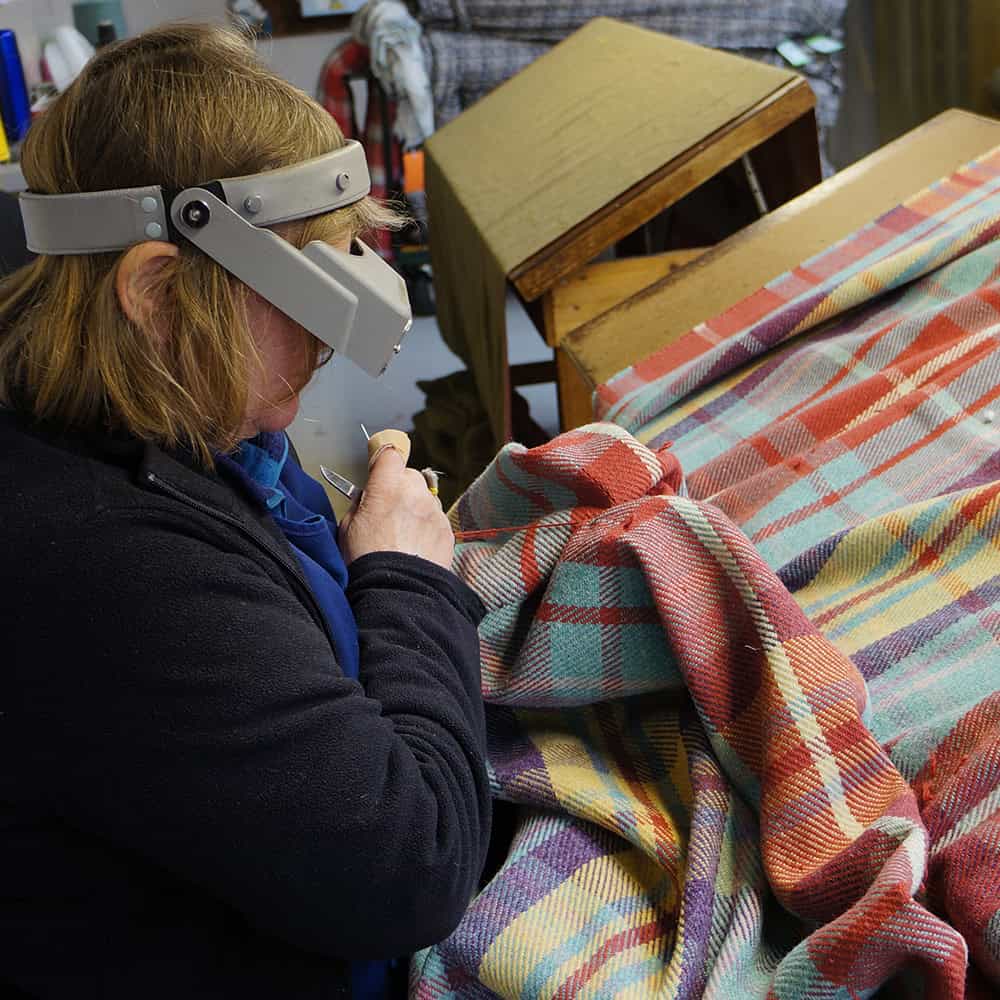
The cloth initially goes into aqueous scouring tanks whereby the fabric is wetted and softened by squeezing through huge wooden rollers, these are worn to a wonderful smooth finish by years of rubbing and in conjunction with the delightful properties of Scottish water, any hardness in the woven wool is smoothed out and given a texture ideal for tailoring. As with all the finishing stages, scouring is an exacting process and the length of time spent at this stage can really change the feel or handle of a cloth.

To achieve a tougher tweed quality a process known as milling can be carried out. This is a controlled felting process whereby wool cloth is rubbed by wooden blocks in a temperature controlled water tank. Gloriously tough fabrics can be given a finish in this way for garments such as duffle coats and thick tweed caps.

After the wet processes are carried out all wools and tweeds need to be dried to an exact width. As mentioned earlier tenterhooks grab the selvedge edge of the cloth as it enters a huge blow drier and a measuring device ensures the width is consistent, it’s mesmerising to watch yards of fabric drift past you through the rolling wheels of these machines.
Wool is such a wonderful material and being made of organic coiled protein structures it responds wonderfully to heat, water and steam. The same piece of cloth can be made to feel light and fluffy or dense and smooth. For a fleecy feel the nap is raised by brushing with either natural teasels or fine wires. For a smoother caress, cloth can be pressed between heated plates under very large clamps or set in submarine like containers that hold steam under great pressure.
I find it fascinating how the whole character of a cloth can be totally determined by the finishing process, much like raising children you need to understand all the factors available in the finishing environment and decide what your creative offspring needs for survival, be it toughening up for an adventurous life or delicate softening to deal with the subtle etiquette of society. Whatever the finish you are now ready to match up the pieces and continue through the rich seams of life.
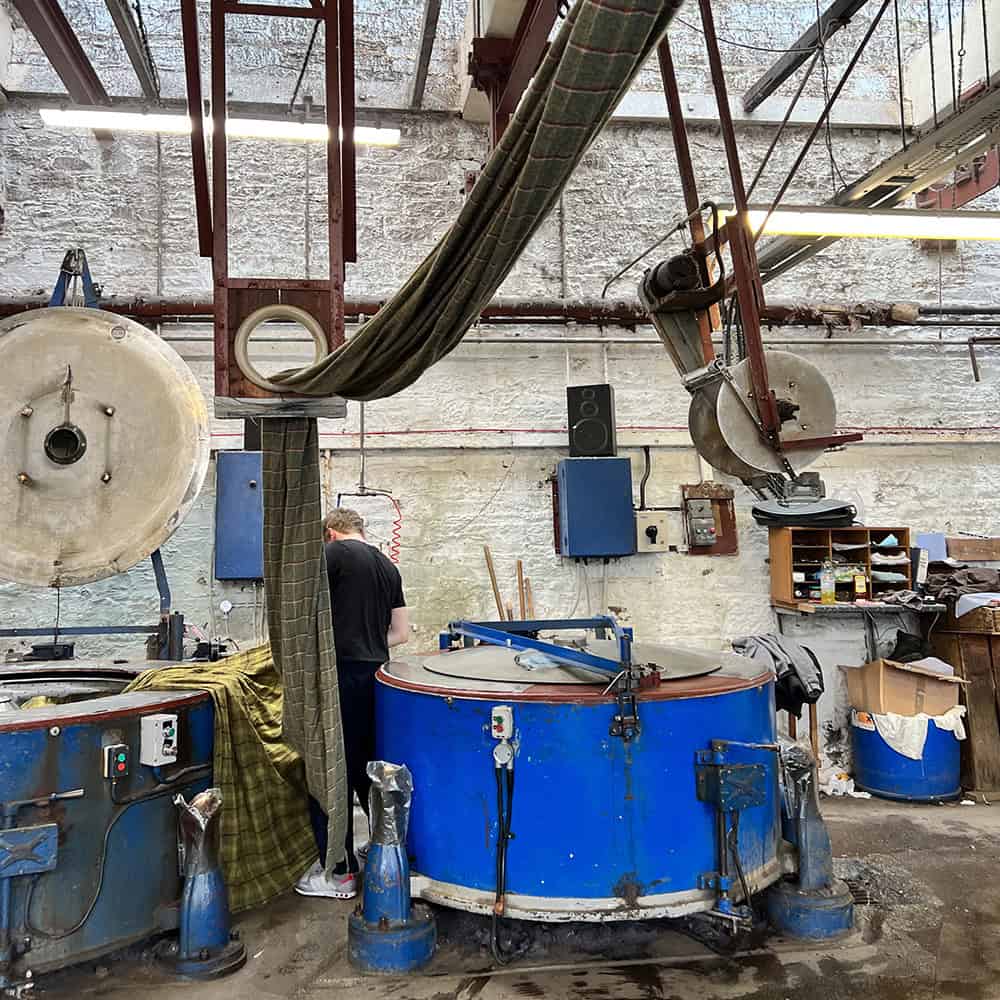
The finishing process is the end of our British Wool journey that we have taken you on in the last year, from fibre all the way through to fabric. We are launching our new collection next week so watch this space.
*SAVE THE DATE*
19th September 2024
We will be launching our new collection in store.
More details to follow in the next newsletter!
If you have any questions about the cloth production process, or our collections,
do get in contact Guy@DashingTweeds.co.uk.