


LONDON CRAFT WEEK 2026
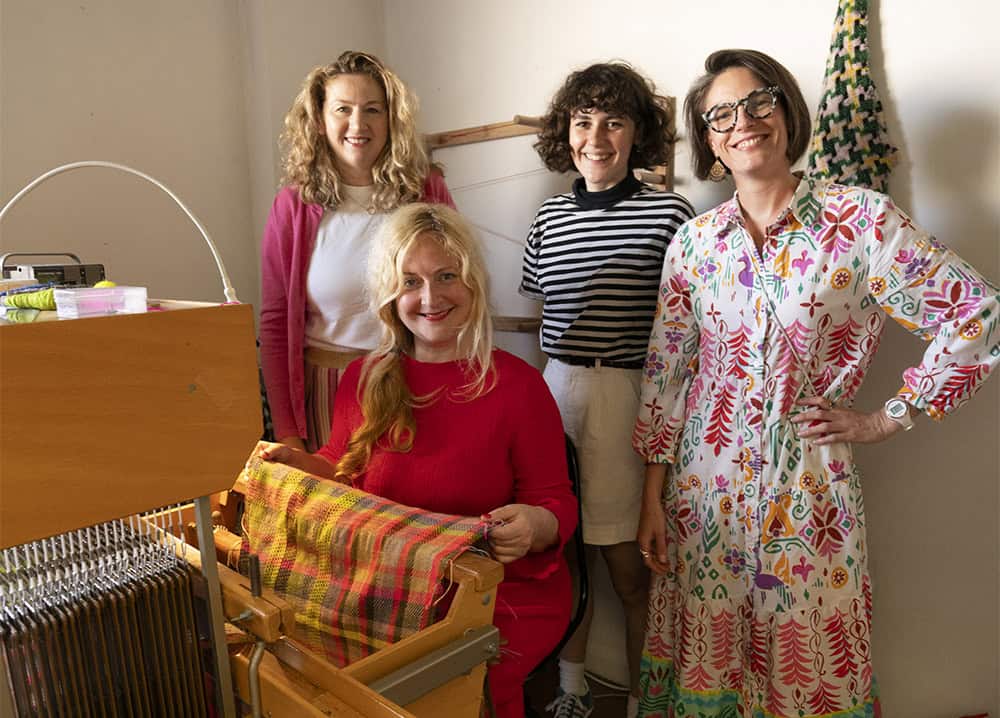
It’s craft week. Making things with love is in the air.
Not so long ago craft was a dirty word, summoning up images of beardy weirdies whittling away in the woods. Now with impending robot doom, craft has become more important than ever. Machines can, and do churn out masses of perfectly made plastic items and clothes, but the most important aspect is always missing – soul and a loving touch.
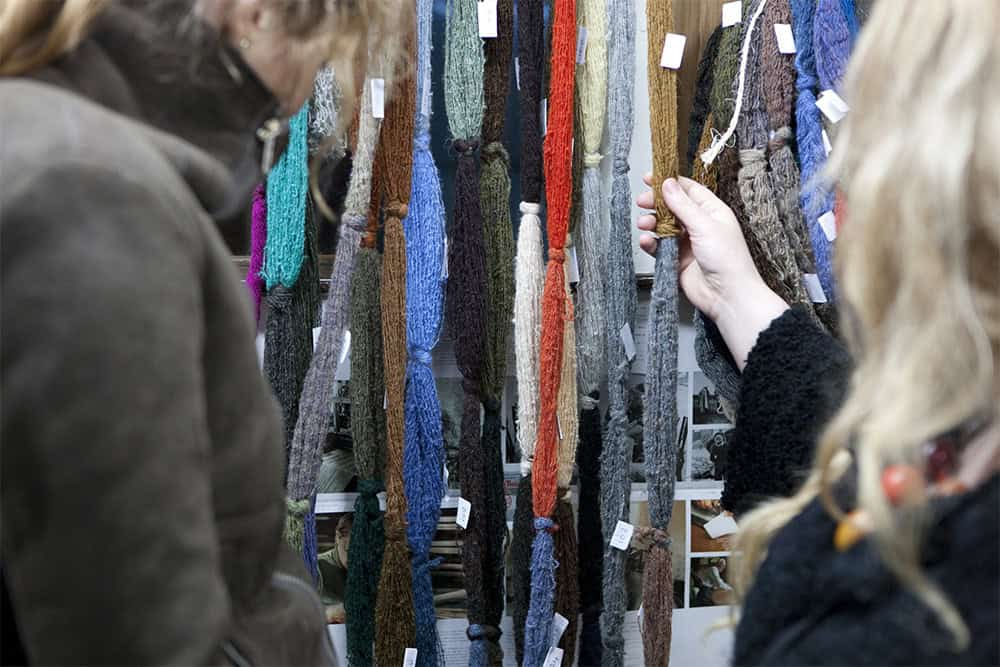
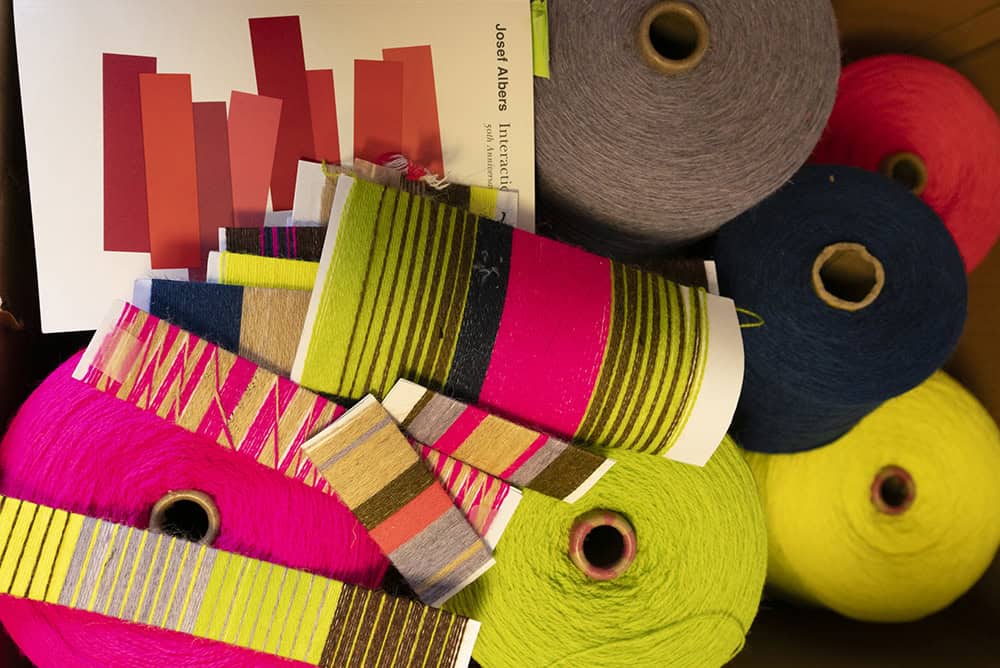
Dashing Tweeds encompasses craft in every way. We are constantly designing fabulous new tweeds from scratch by hand. Although it’s more laborious, we work directly with wool yarns whilst designing. Hand wrapping warp samples and working directly on a loom allows creativity to flourish. The pure tactile element of textile design is so important as the fabrics we create are to be worn on the body and cherished. Serendipity is often an important part of the process, when machines go wrong they just screw up but a slight human error can suddenly be pleasing to the eye. A slip of the hand can be exciting and lead to a new line of thought and design experimentation.
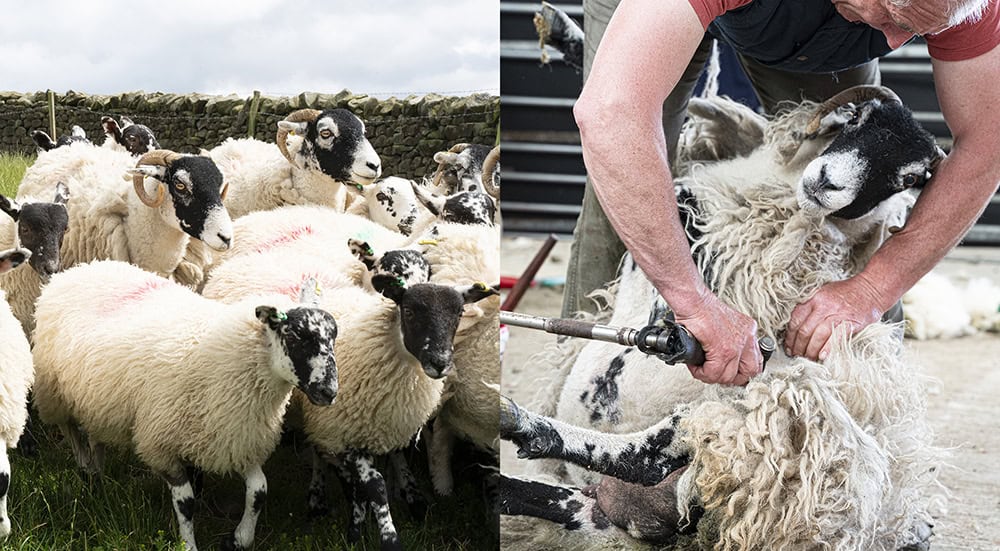
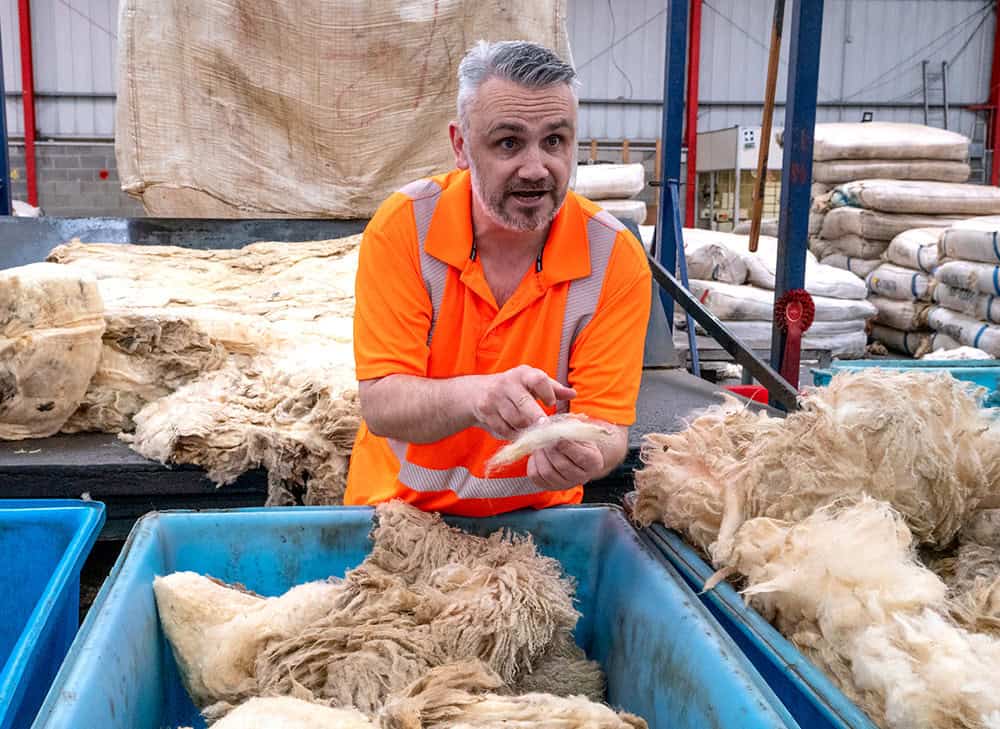
The fleece to fashion journey is very much hands on. British sheep farmers do a wonderful job at nurturing their flocks. All sheep need to be skilfully shorn by hand before their fleeces are sent to the British Wool sorting centre. Grading wool is an immensely skilfull process which we were lucky enough to see last year at Wool House in Bradford.
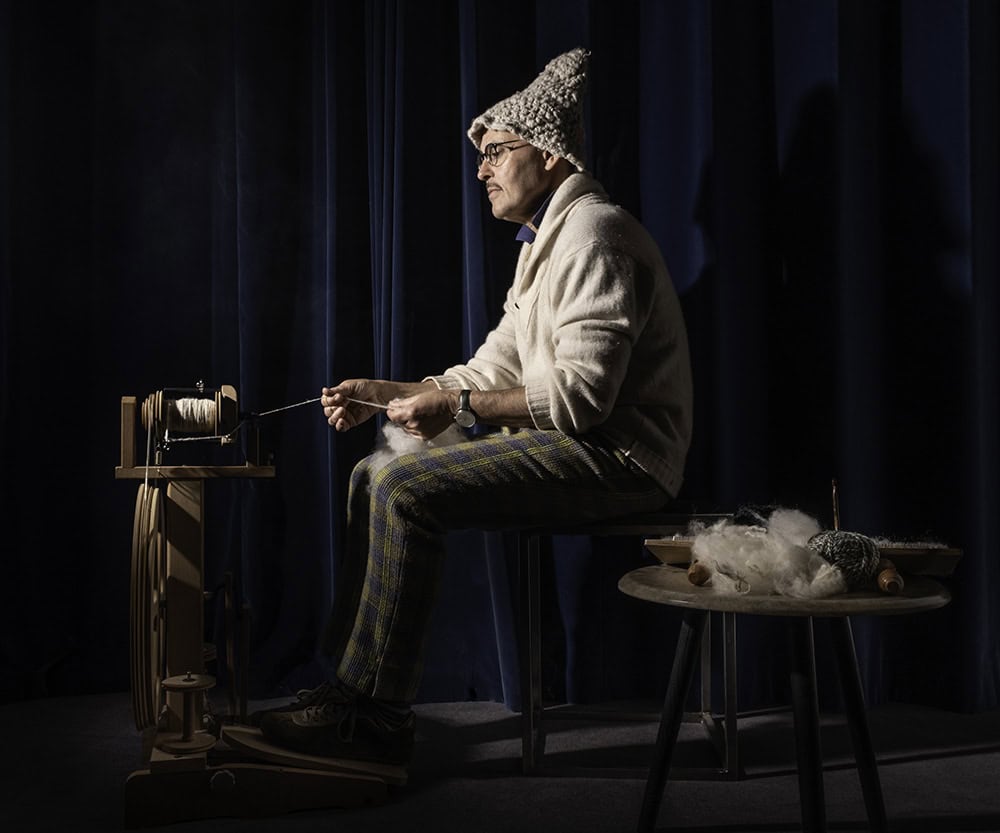
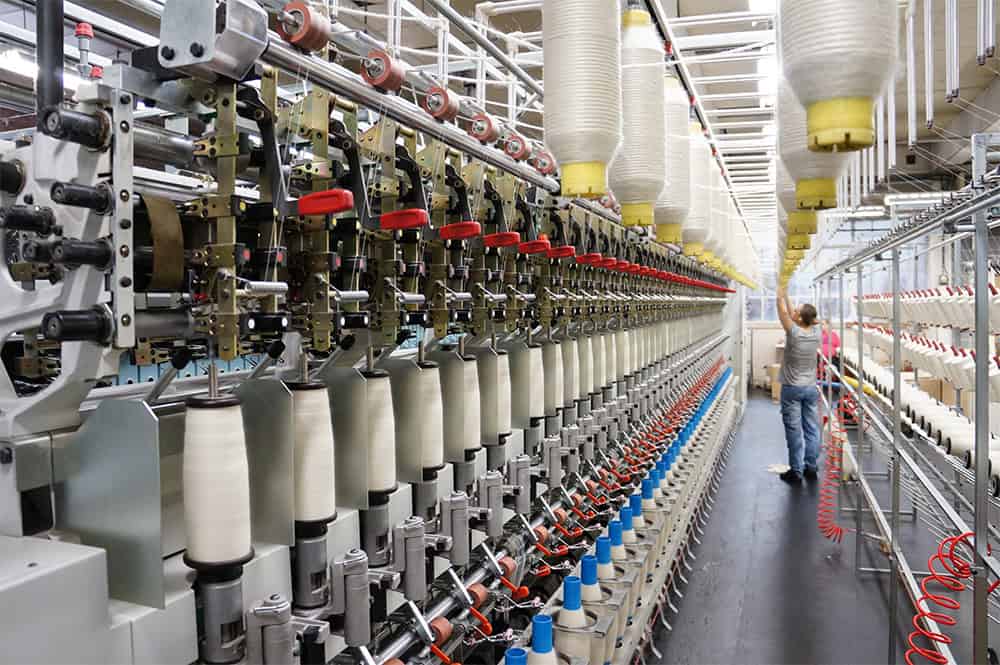
Spinning wool into a yarn is fascinating to watch. During lockdown I bought a spinning wheel and delighted in turning wool into a thread and interestingly the process at an industrial scale is not so different and quite mesmerising.
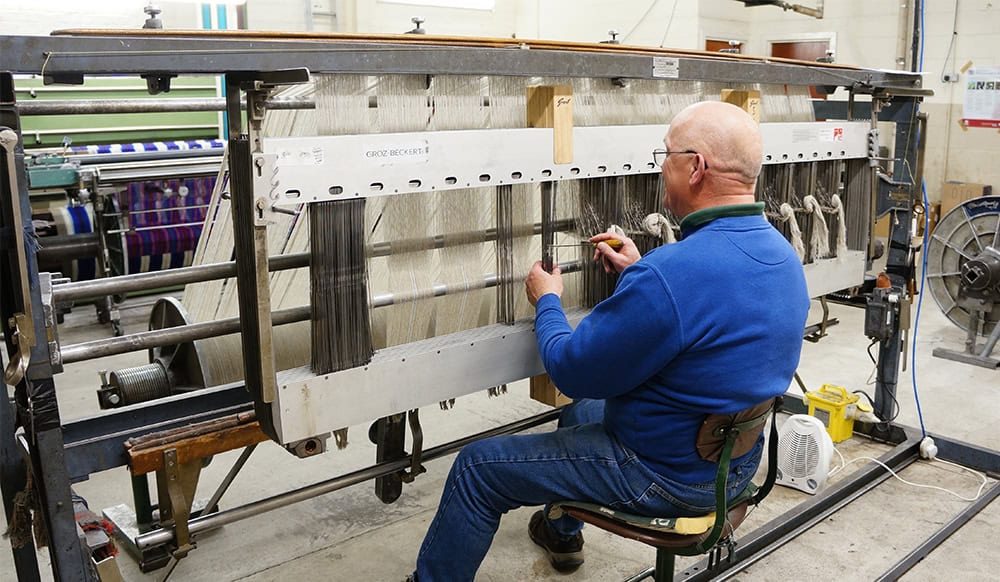
Once our tweeds are woven by Robbie in the Scottish borders there are still a few more processes which are little known and require a great deal of craft skill. Any broken threads need to be mended and darned back into the cloth. You can often see on the back of cloth tiny knots and on the face nothing is visible. Darning is one of the skills which is vital and yet it is so hard for the weavers to find people with the right experience for the job.
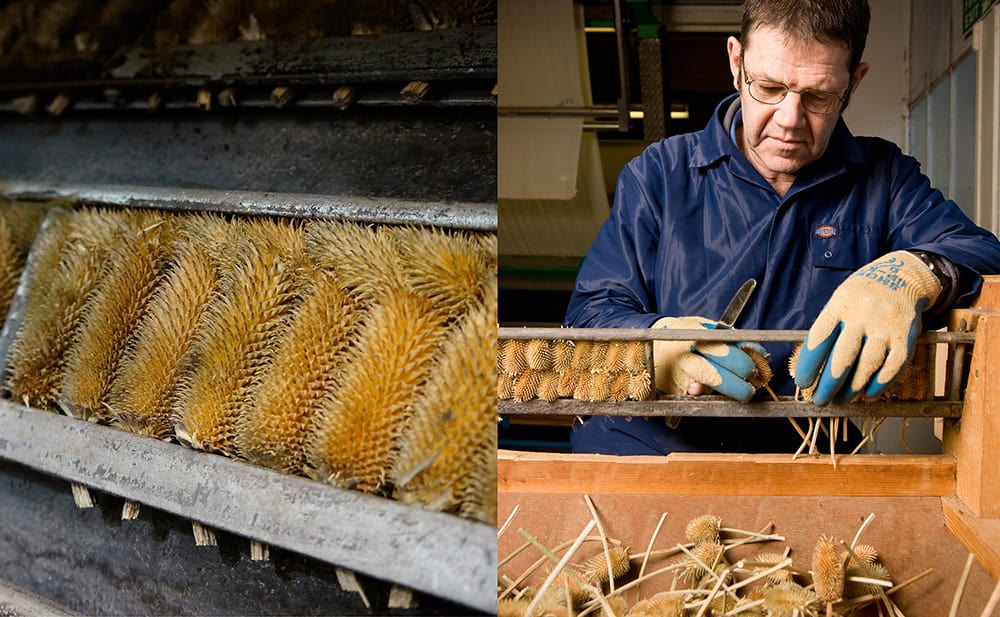
Then there is the finishing process which really determines the whole character of the cloth. There are so many choices to be made, how long the fabric should be scoured in water from the River Tweed, how wide it should be set to on tenter hooks and a whole plethora of pressing or pile raising options. The best brushing is done with real teasels which brings us round to another dying craft, that of a teasel setter.
Lastly, after the tweed is designed, woven and finished there is the tailoring to be done. British tailoring represents a pinnacle of craft refined over hundreds of years. A full bespoke suit with horse hair canvassing and hand sewn button holes is the embodiment of skill and something to be cherished and loved for many, many years. Just thinking about all the skilled hands needed to turn fine wool into a fine suit makes me almost giddy with delight and being embraced by all these crafts is an intoxicating feeling like no other. You know where to come if you want to be embodied by craft this week.
All the best,
Team Dashing
