


DASHING INTERVIEWS: Keith Lo Bue – The Well Dressed Head
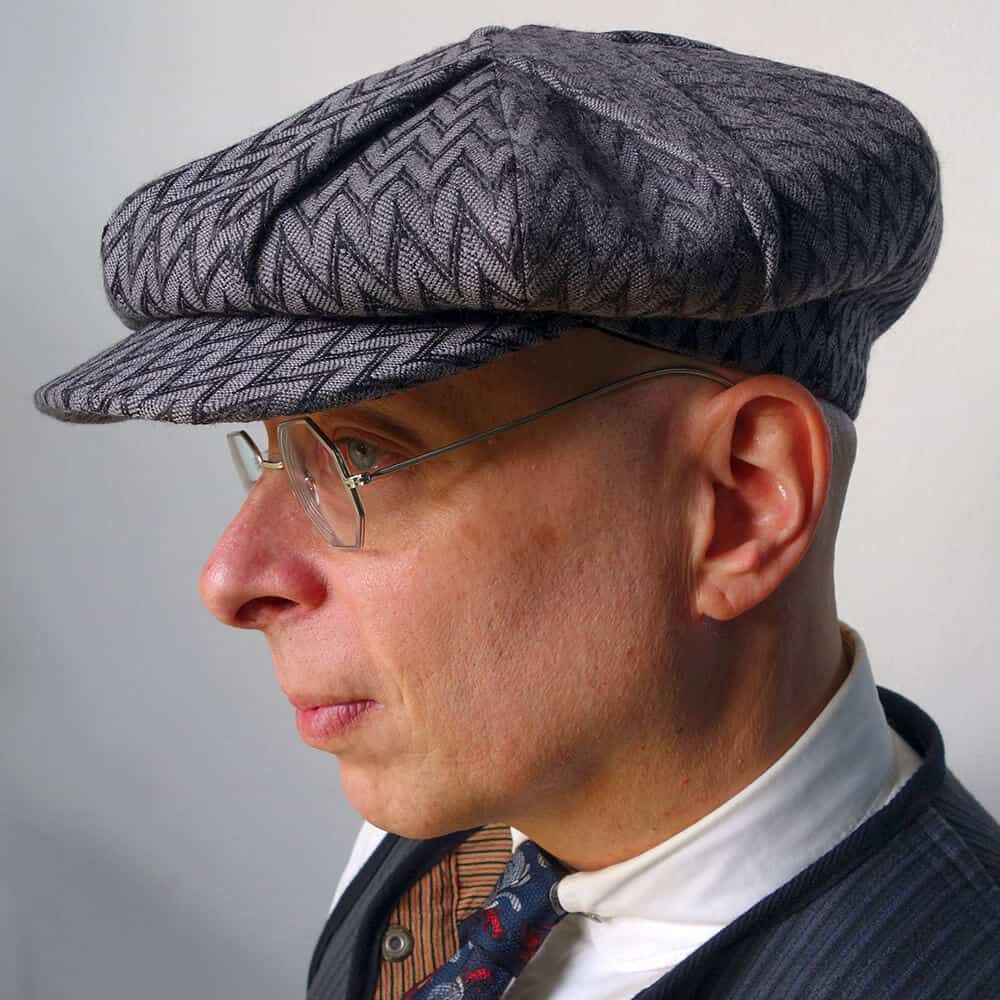
Tell us about yourself?
I was born in 1964 in Virginia and grew up near NYC just over the border in Stamford, Connecticut. I graduated in 1986 from SUNY Purchase in New York with a split photography/illustration major. I spent my first years as a freelance illustrator with my focus on a lot of work in the music industry. One of the highlights was getting to work with Laurie Anderson on her tour book and a few other projects.
Along the way I started playing with found objects to make small sculptures and jewellery pieces and it blossomed out into my three decade career, leaving illustration behind in 1994. Though many of the techniques I use in my work are metal-derived, I don’t refer to myself as a metalsmith. Since my palette is the entire world of found materials (everything from old furniture hardware to 16th-century paper to insects), I jokingly refer to myself as a “stuffsmith“ which pretty much sums it up. I emigrated to Sydney in 1999 and have three beautiful kids and the best partner in the world.

What got you interested in caps?
I’m glad you asked this question – you folks at Dashing Tweeds actually kicked me off in the cap world! Here’s how it happened…
I’ve had my head shaved since 1990 so have always had something up top to keep my skull warm. Beanies for the most part. Then around 2010 I was in Victoria Australia teaching art workshops when I spied a young fella wearing an extremely smart flat cap in a hot pink check wool. I ran over to him and inquired where he got it, and learned about your extraordinary business.
I ordered about half a dozen caps from DT and wore them to death for three years. It was during that time that I began to research what kind of soft headwear was worn earlier in the 20th century. I’ve been wearing vintage clothes since the mid-80s, but in the last 15 years became much more involved with it and have been particularly drawn to men’s fashion from the 1910s through the 30s, with a special interest in workwear.
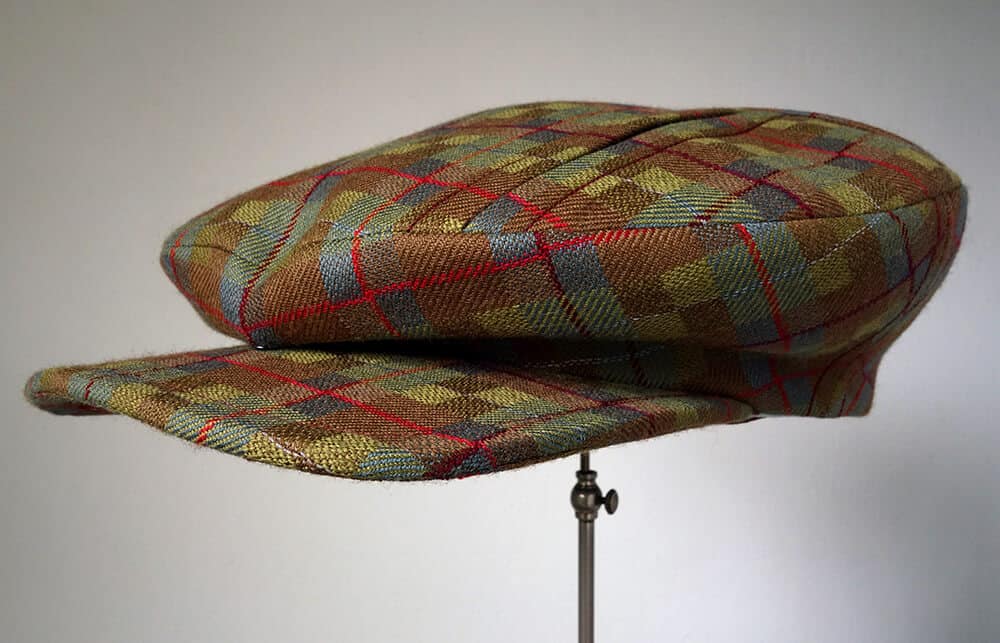
As I researched that time period in caps, I discovered something surprising: there was surprisingly little information available about them. This made little sense to me, as looking through old photos pretty much every guy, from 5 to 95 years old was wearing a cap, in all strata of society. If we are talking fedoras and hamburg‘s, information is plentiful. But cloth headwear was often used until threadbare and thrown away. So very few historic examples, relatively speaking, exist.
I had purchased a few reproductions of 1920s caps from another bespoke maker, but it was finding a few original New Old Stock 1920s examples that made me curious if I could replicate one myself.
Trouble was, I had never driven a sewing machine in my life. I’m a stuffsmith, for god’s sake.
But being self-taught with all of my 3-D making has taught me focus and patience in learning new skills. So I carefully pulled apart one of these 1920s cap models to get an accurate pattern, consulted with a pattern-maker friend to learn the technical basics, then spent all my waking hours learning to sew.
By 2013 I had opened The Well Dressed Head and it has gone from strength to strength ever since. All of my skills learned through my education – photography, illustration, graphics etc. – have come to play in this process.
I now offer over 60 different cap models, all period-accurate to the early 20th-century.

How do you find all those amazing old shapes?
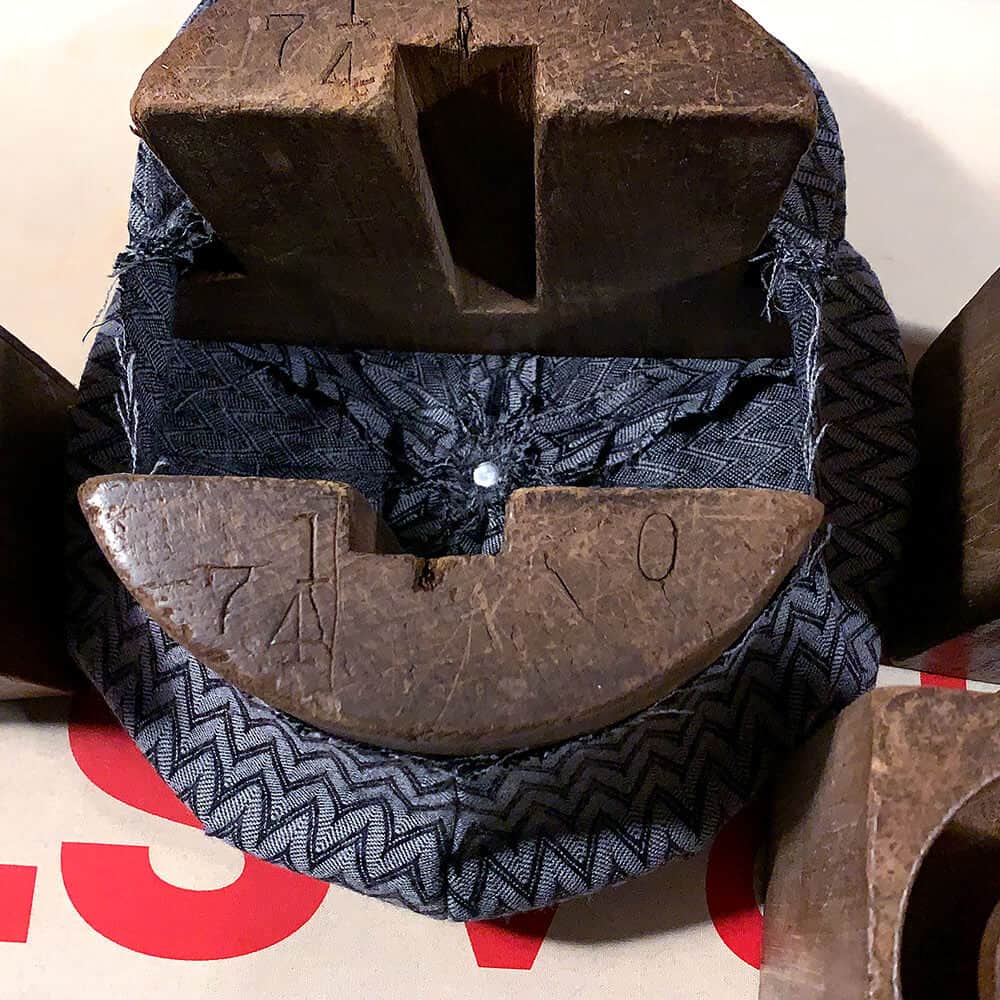
I learned early on that there is no easy way to discover new styles that were made back then. It takes hours and hours of research, poring through obscure trade magazines, photographs and advertisements from the time period, to find those extraordinary examples of cap design. I have compiled an extensive library of those items along with many original vintage caps, all of which provide the sources for what I make. I have also amassed a wonderful collection of rare wooden cap blocks from the 1920s era, both European and American, that allow me to create the exact proportions of the early originals.
Sometimes it may just be a single vintage snapshot of someone in a crowd wearing an interesting design cap, then I will draft a pattern to reproduce it as closely as possible.
What’s the thing you enjoy most about caps?
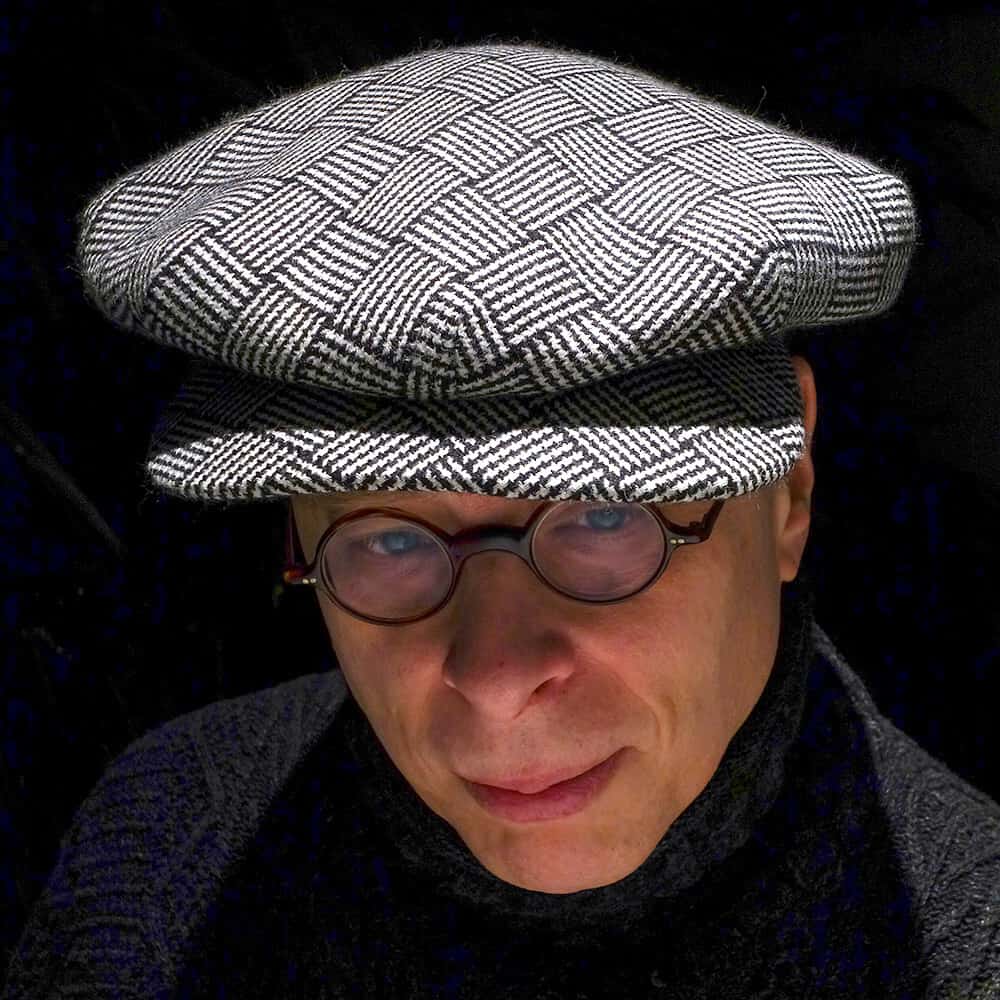
I’m drawn by so many things relating to caps, I just find them endlessly fascinating. I love how the early designs are so substantial and wide, that they frame the face in a totally different way than a modern cap will. Once I got used to how I looked in a wide cap, there was no turning back.
My love for old materials has also given me a passion for collecting antique fabrics to work with. I have over 200 antique fabrics from the 1840s forward that I use in my pieces.
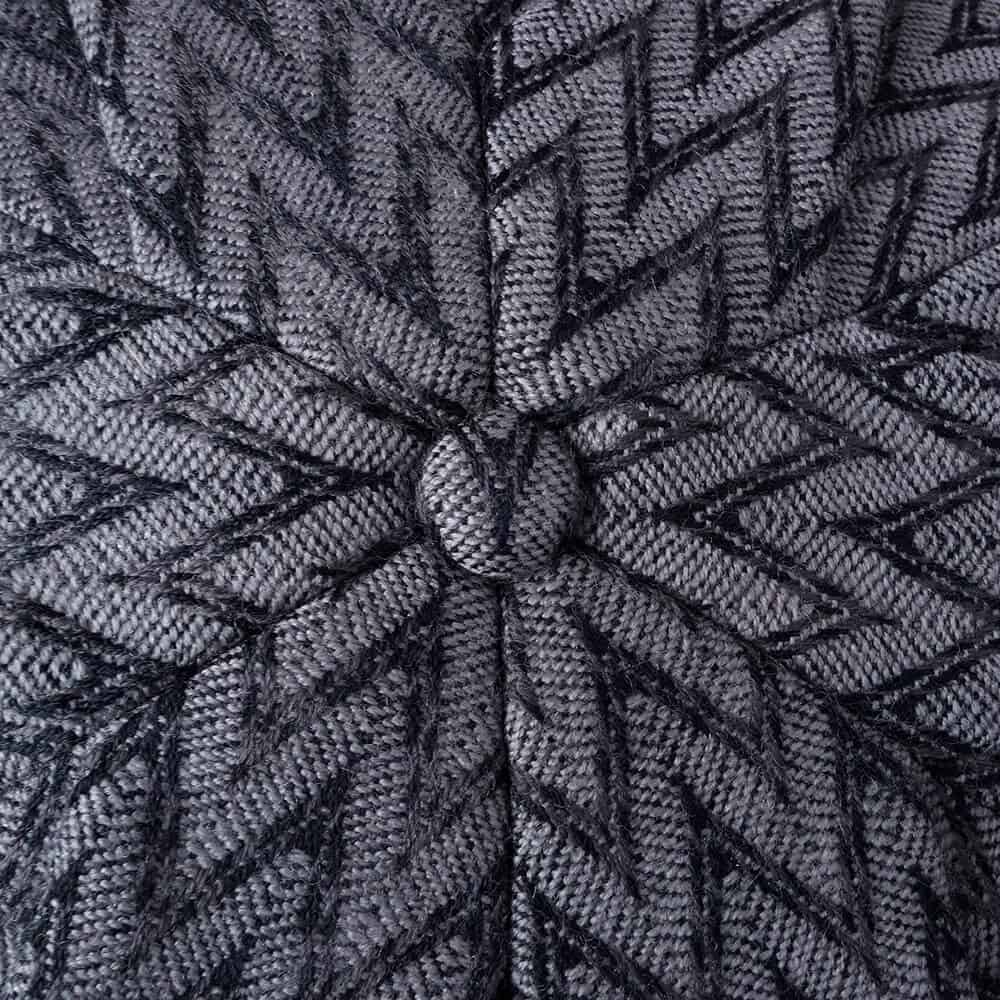
I also really enjoy the connection to the past (so crucial in my found object work), much of what I am doing with WDH feels archaeological and clarifying of a tiny fuzzy spot in menswear history.
So it feels wonderful to come around full circle and get to work with the fabrics that first inspired me to wear caps in the first place. I adore Dashing Tweeds’ respect of classic design while nudging it into unmistakably modern territory.
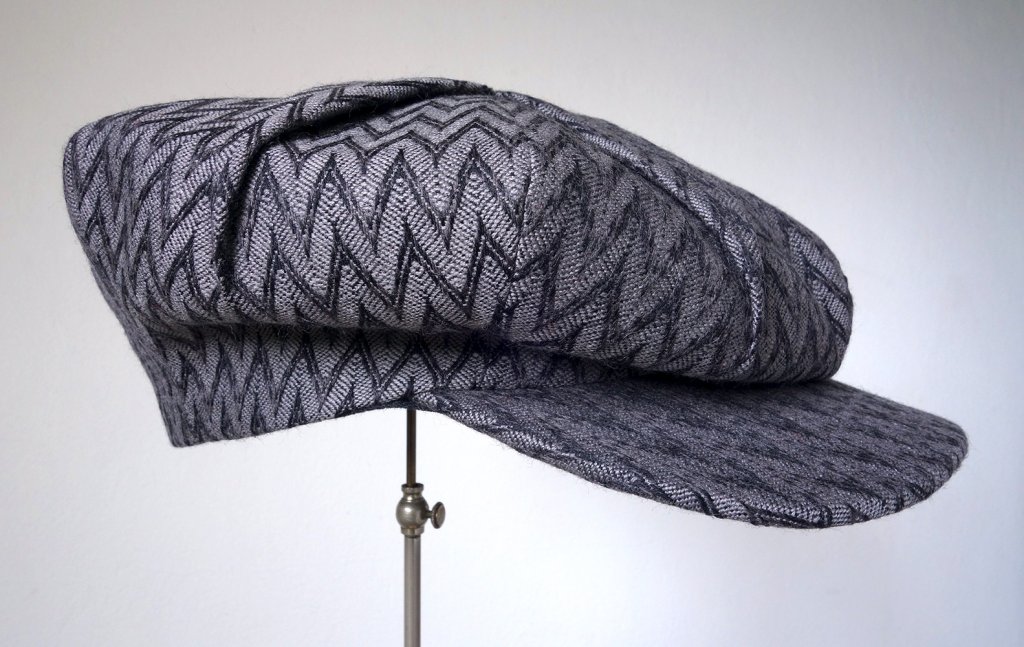
What new things are coming up?
I’m surprised and grateful to report that the world’s lockdown has not diminished enthusiasm for owning bespoke headwear! I have a long list of orders and am humming along, doing what I love. Though I am moving between metal and wood and paper and organic objects and fabric, all of it is one-of-a-kind and that’s what it’s all about for me.
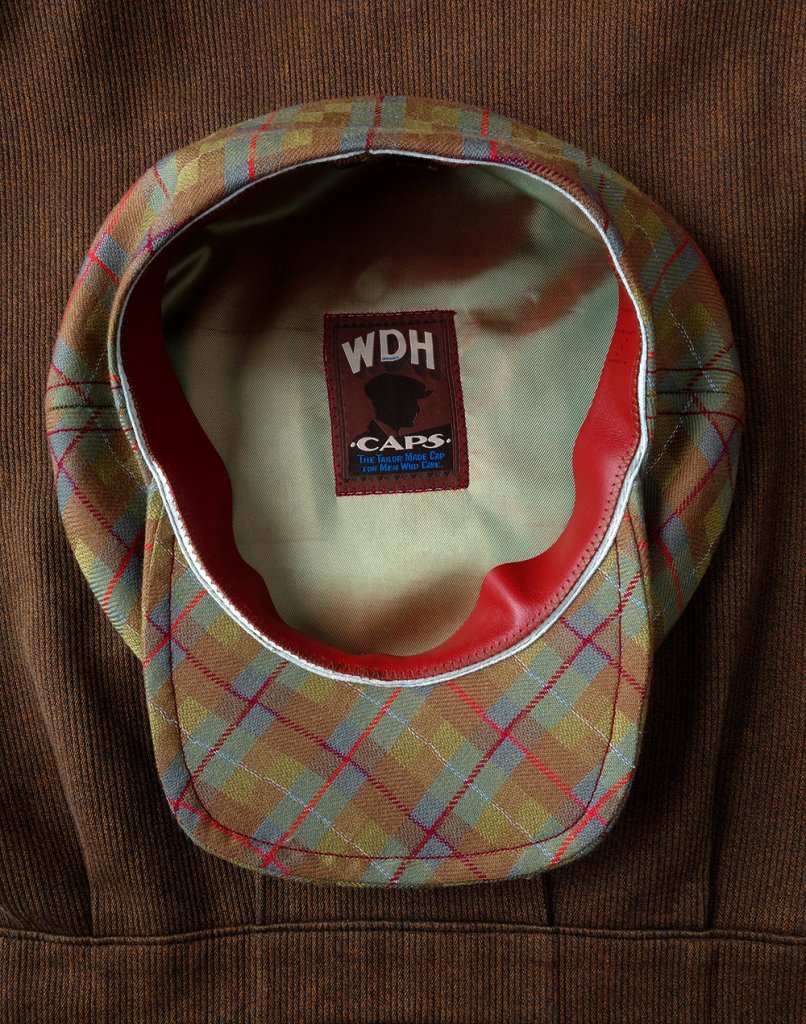
We hope you enjoyed reading and learning about Keith’s journey as much as we did, and do make sure you check out his instagram and collection online!
